


| Date: | 7 March 2026 |
| Location: | Mullaley, Australia |
| Conditions: | Overcast, occasional sprinkle, 32C, wind 5-15km/h |
| Members: | GK, Paul K and PK |
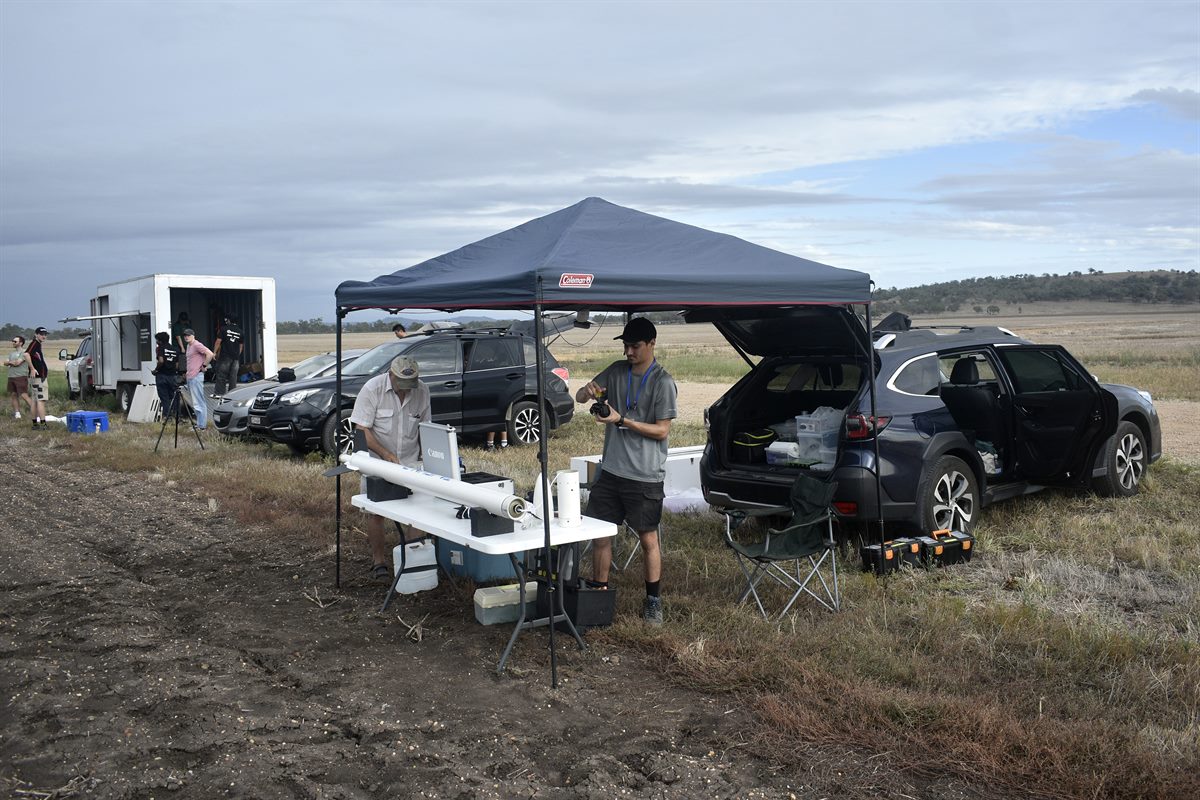
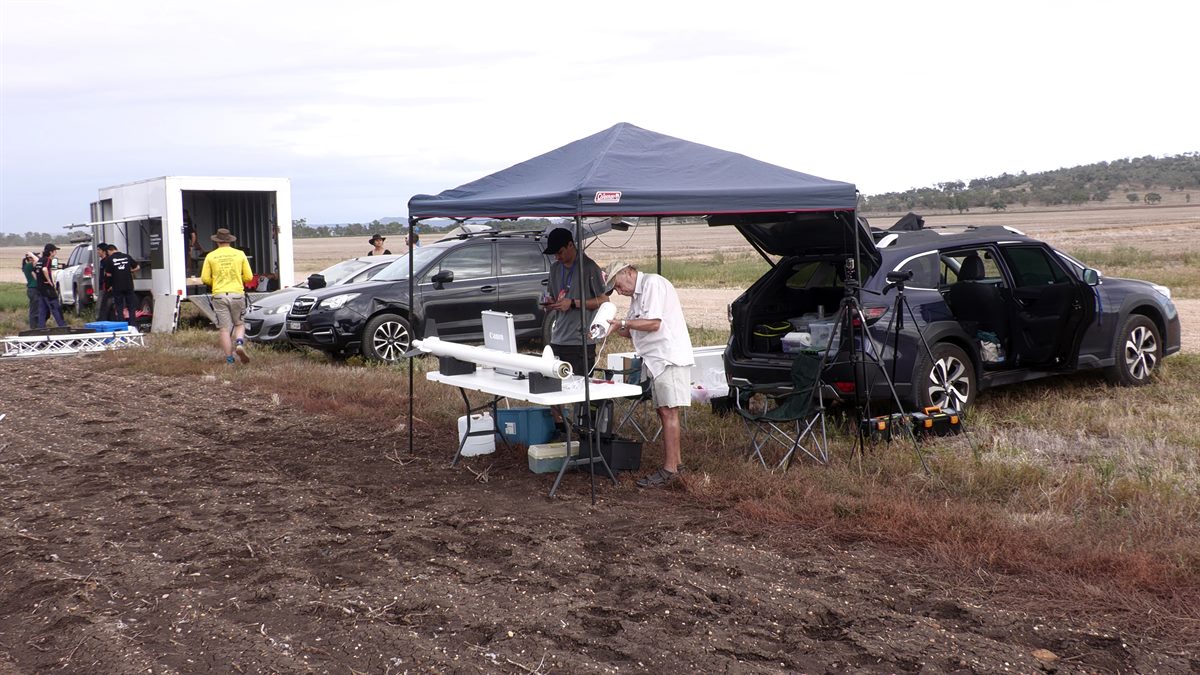
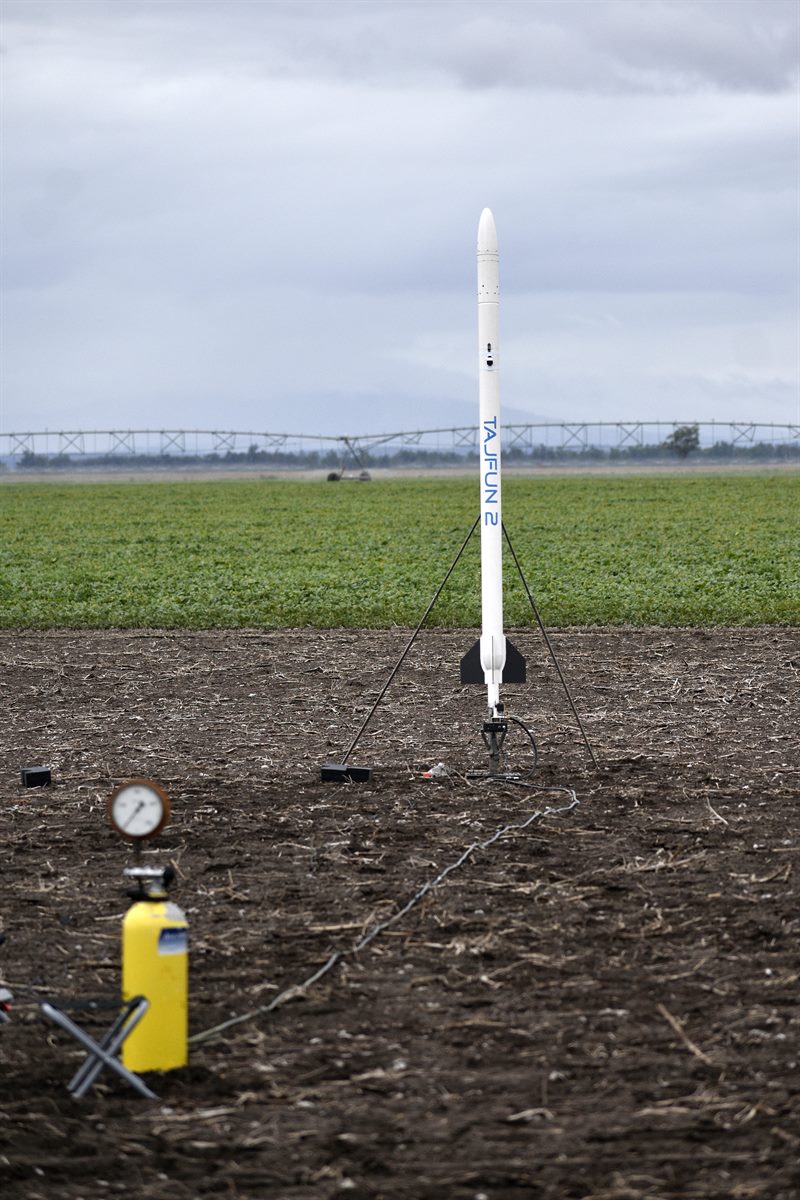
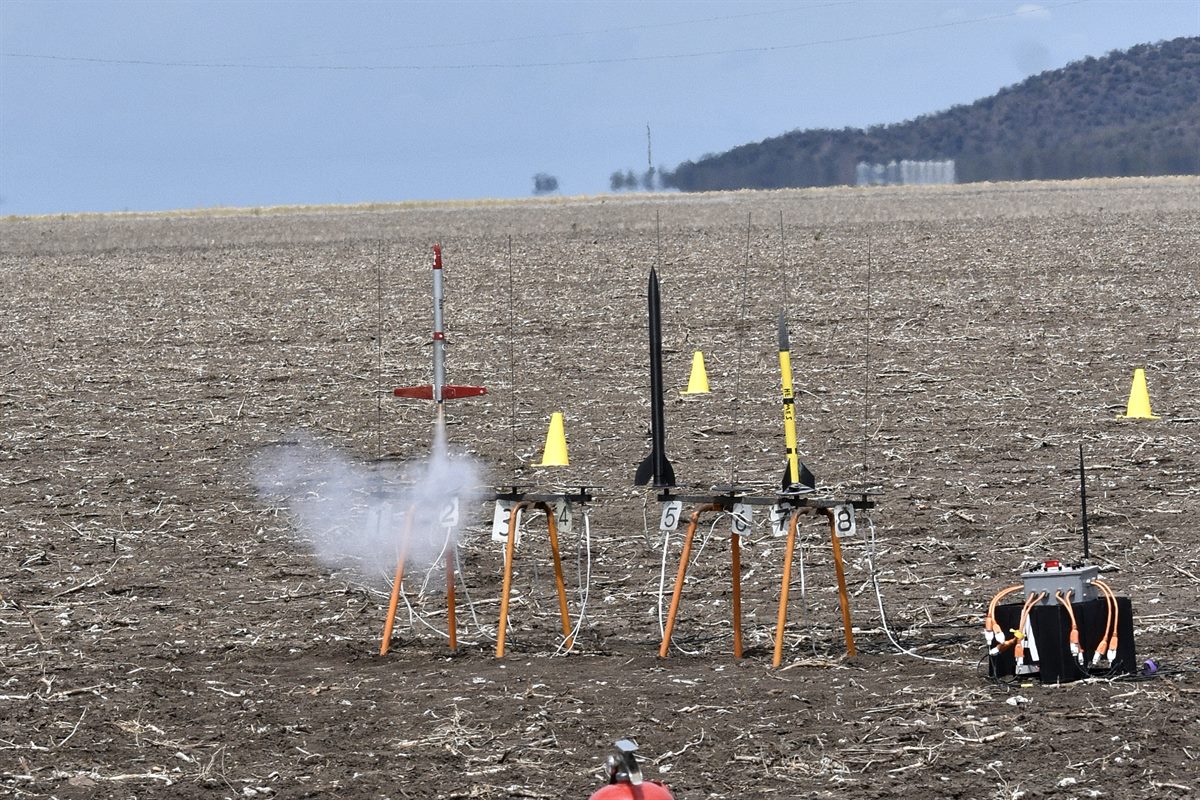
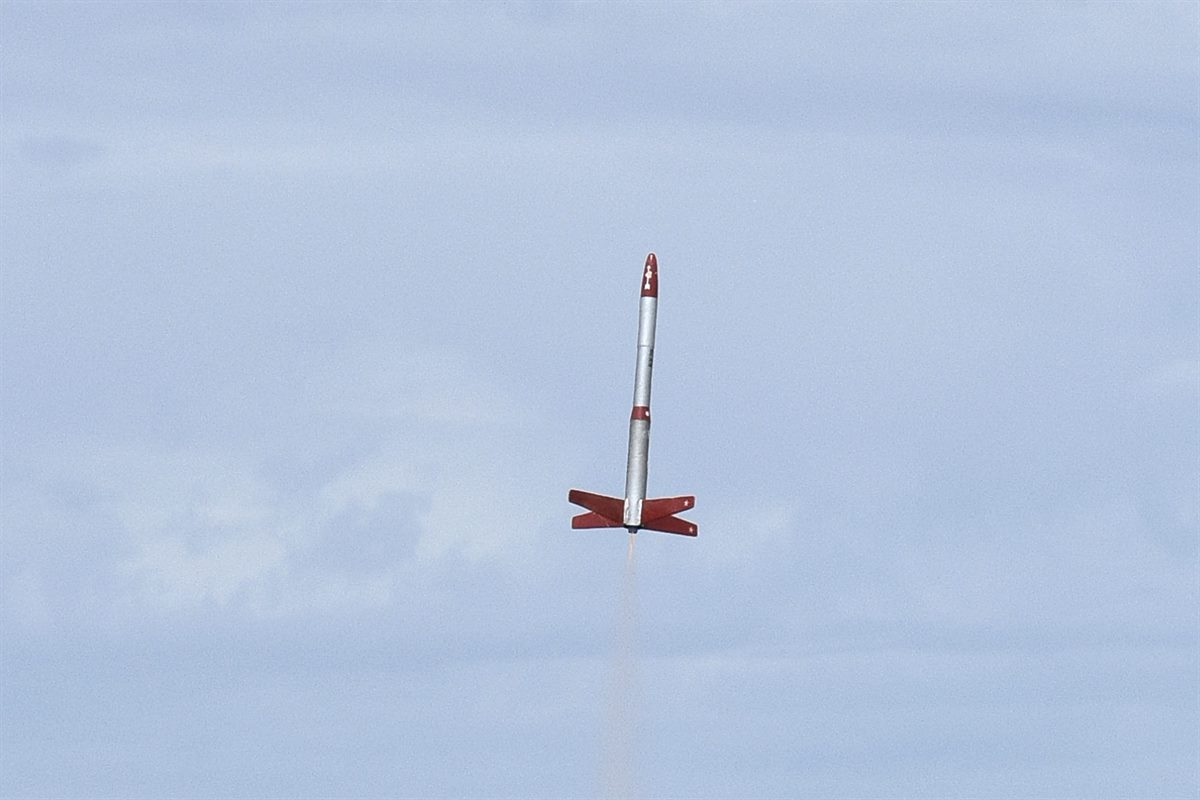
We again travelled to Mullaley for NSWRA's high power launch. We didn't have any specific new projects to fly so we thought we'd put up the Tajfun 2 rocket since it was a lot of work to put together and it has only ever flown twice. It was also another chance to use one of Horizon's expensive parachutes just so that we get our money's worth out of it.
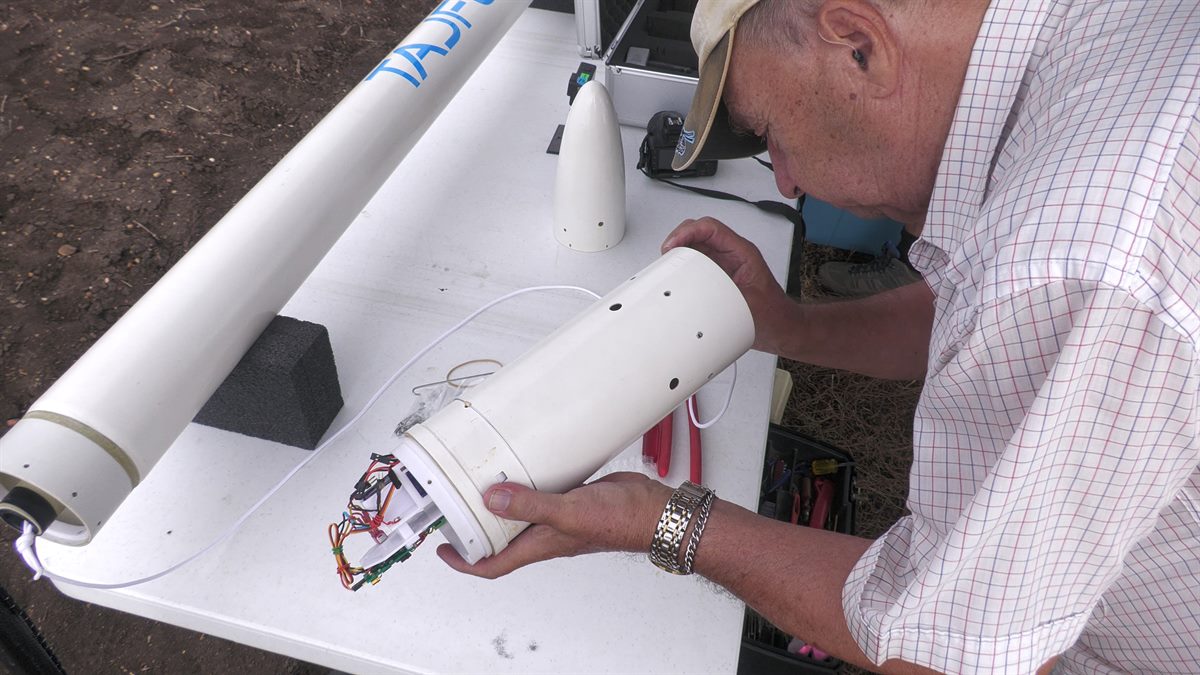
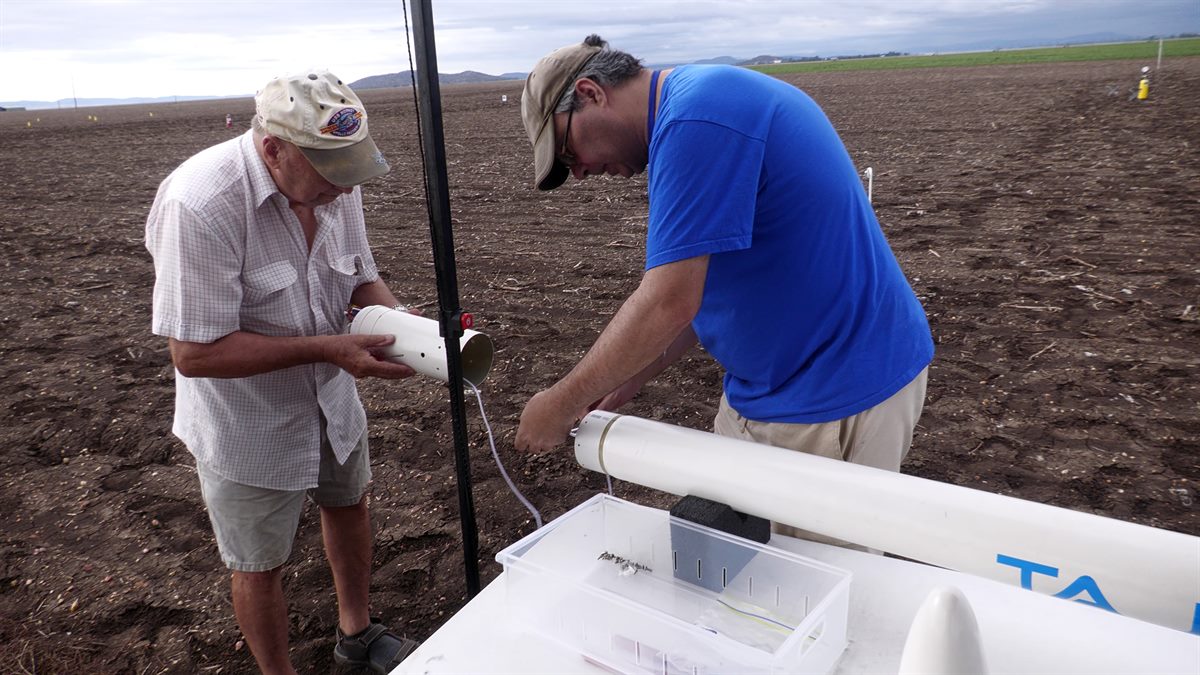
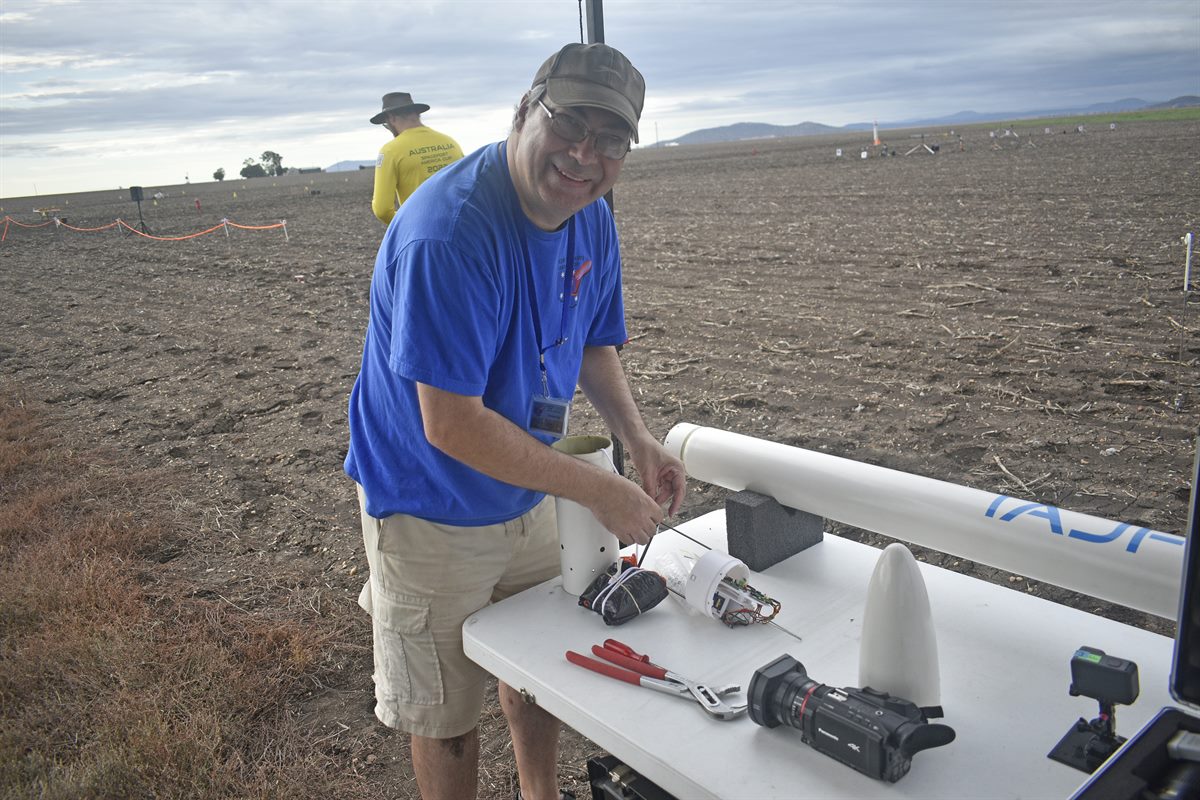
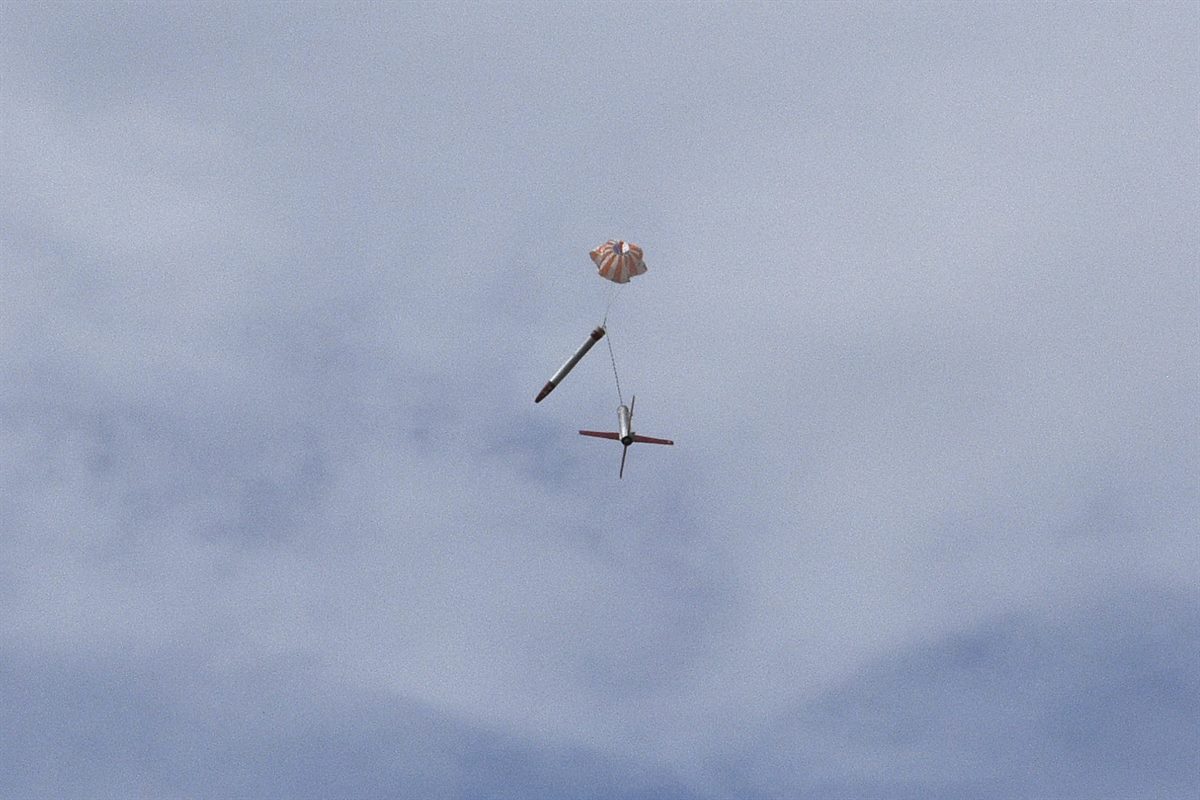
For this flight we decided to use the Quantum flight computer to detect apogee rather than just do a straight timer based flight. We took the flight computer out of Horizon's booster. Again we are just trying to get our money's worth out of the equipment we have. The Quantum flight computer was connected to our ServoTimer II to do the actual deployment.
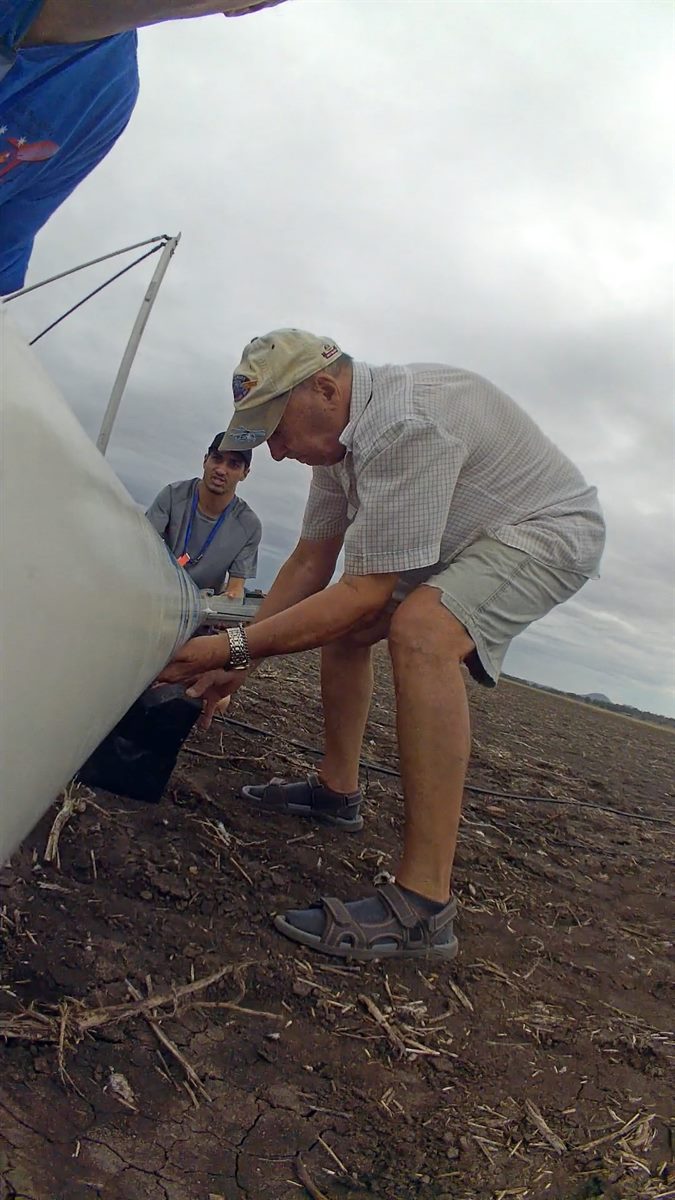
Setup on the day was relatively straight forward, we packed the parachute and loaded it into the deployment frame, and then I realized that I forgot to take off the rubber band that was holding the parachute together. That would have been quite embarrassing. I have seen something similar happen on an L3 attempt where the flyer forgot to remove the tape from the shroud lines that was used for transportation.
We also taped a camera and an old AltimeterOne on the outside of the rocket just to get a second reading on the altitude.
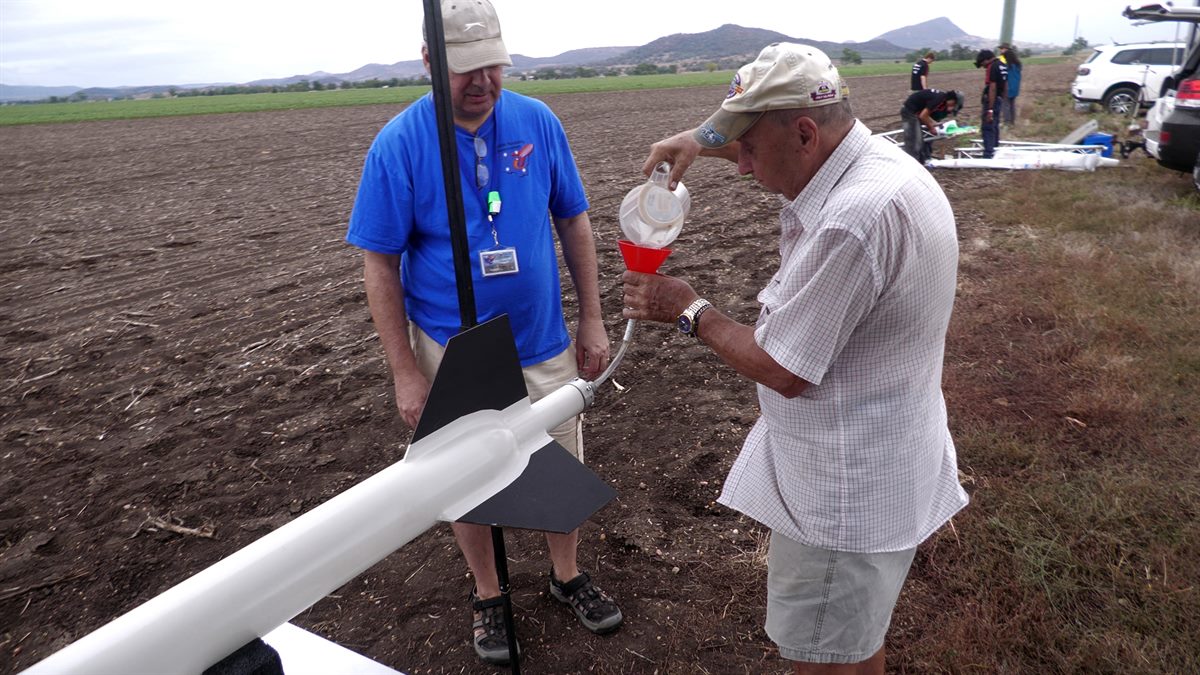
The rocket was filled with 5.3 liters of water and pressurised to 310psi.
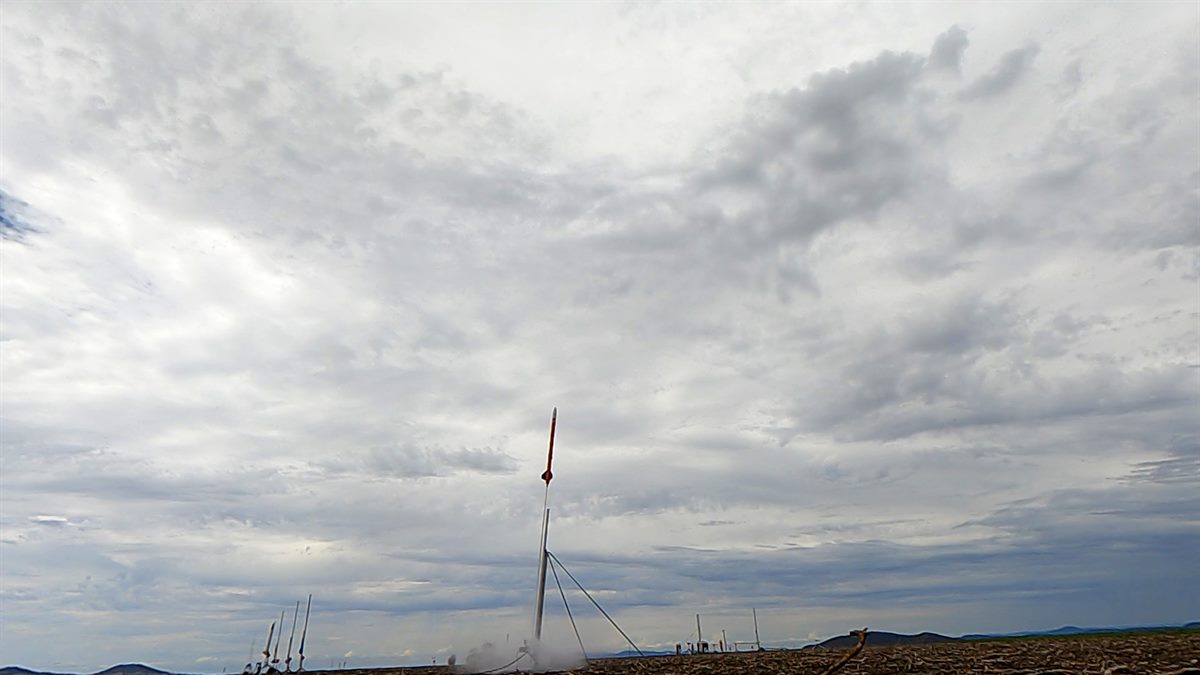
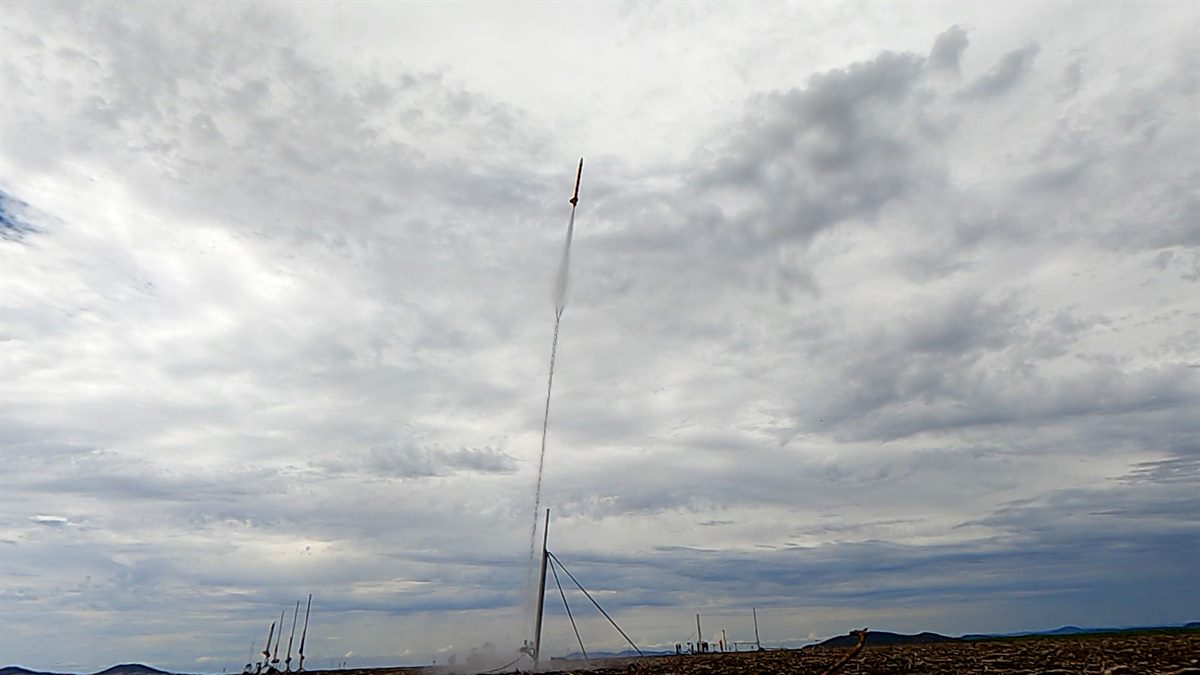
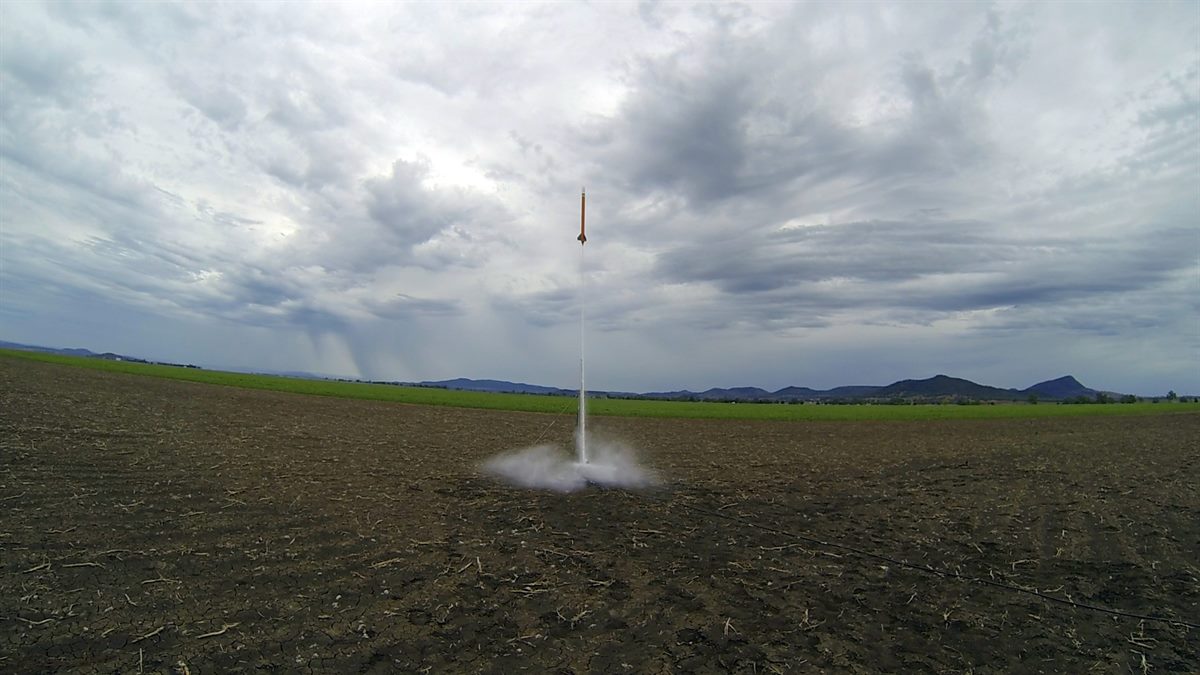
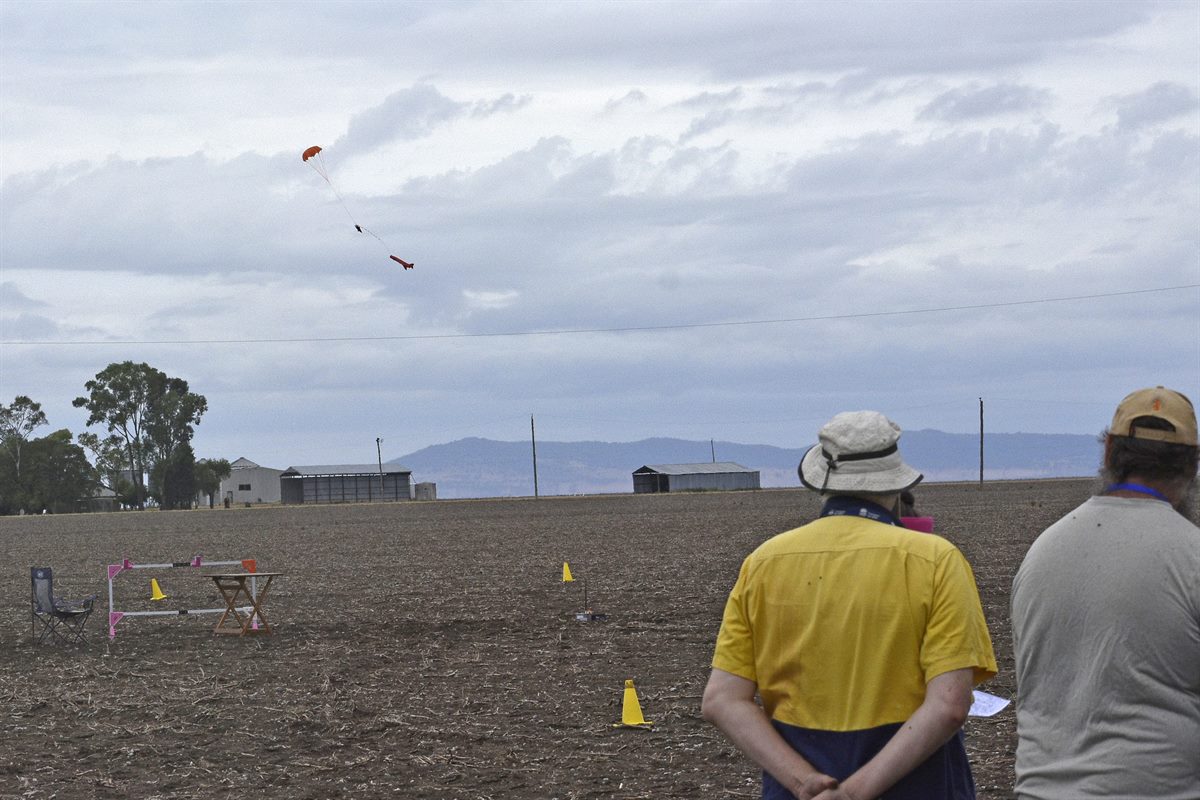
Launch was initially fairly slow but then quickly accelerated. The rocket passed through apogee, but the nosecone wasn't ejected like I expected, and the rocket started pointing down, and I thought oh oh, but then as the rocket started heading down the nosecone finally ejected and the parachute deployed just fine. The rocket safely landed only about 100 m from the launch site.
The AltimterOne read out an altitude of 695 feet. Which was a little lower than we had expected, but we were still happy with the flight.
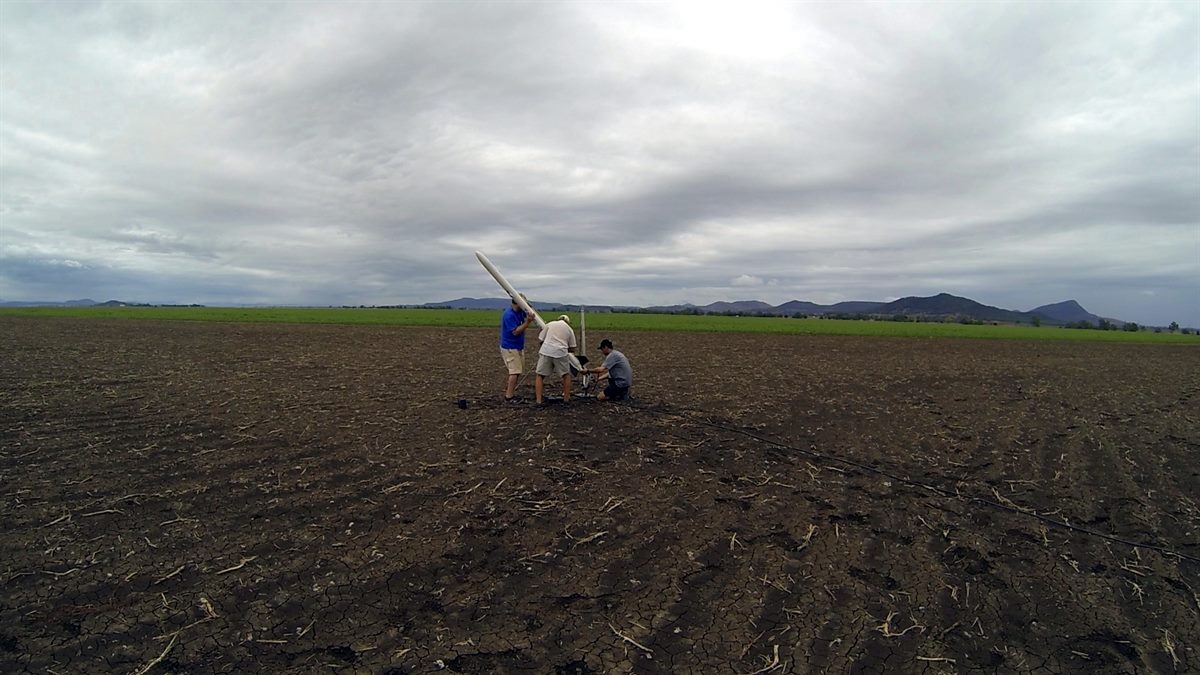
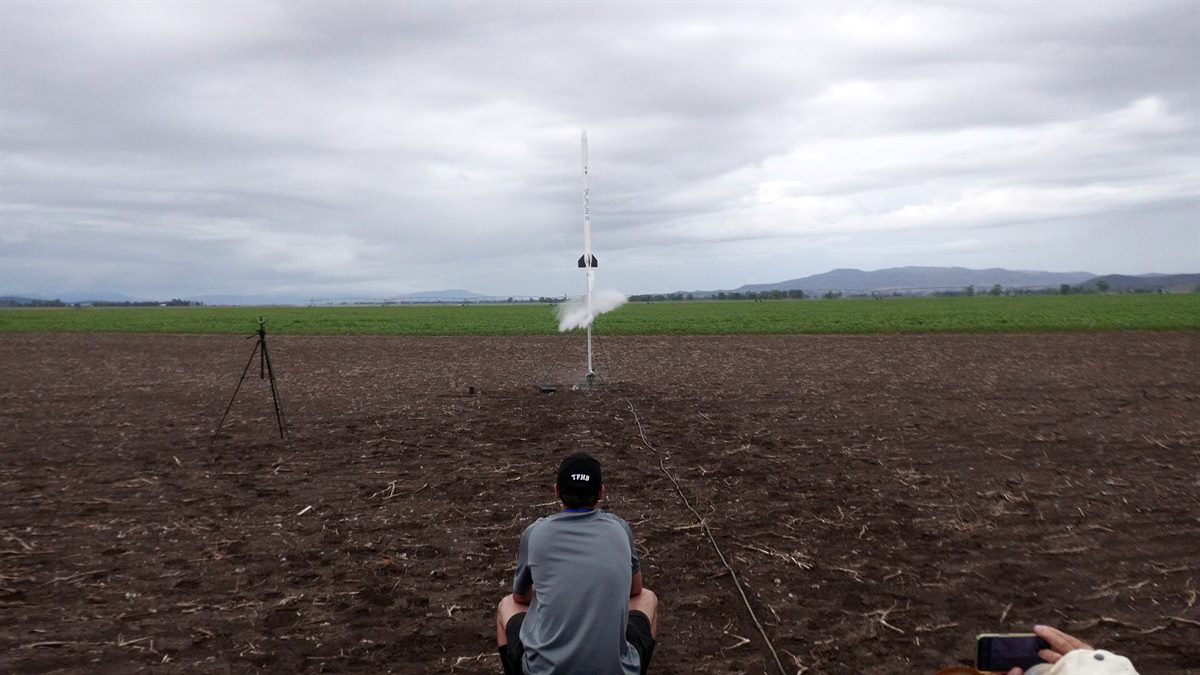
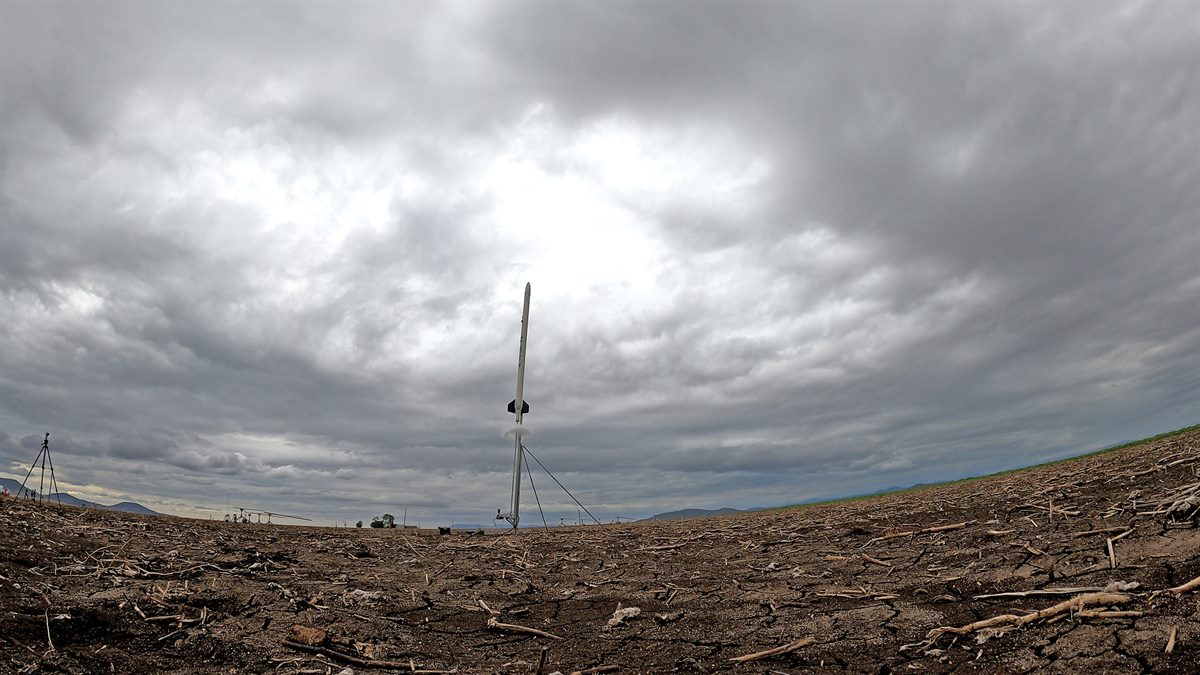
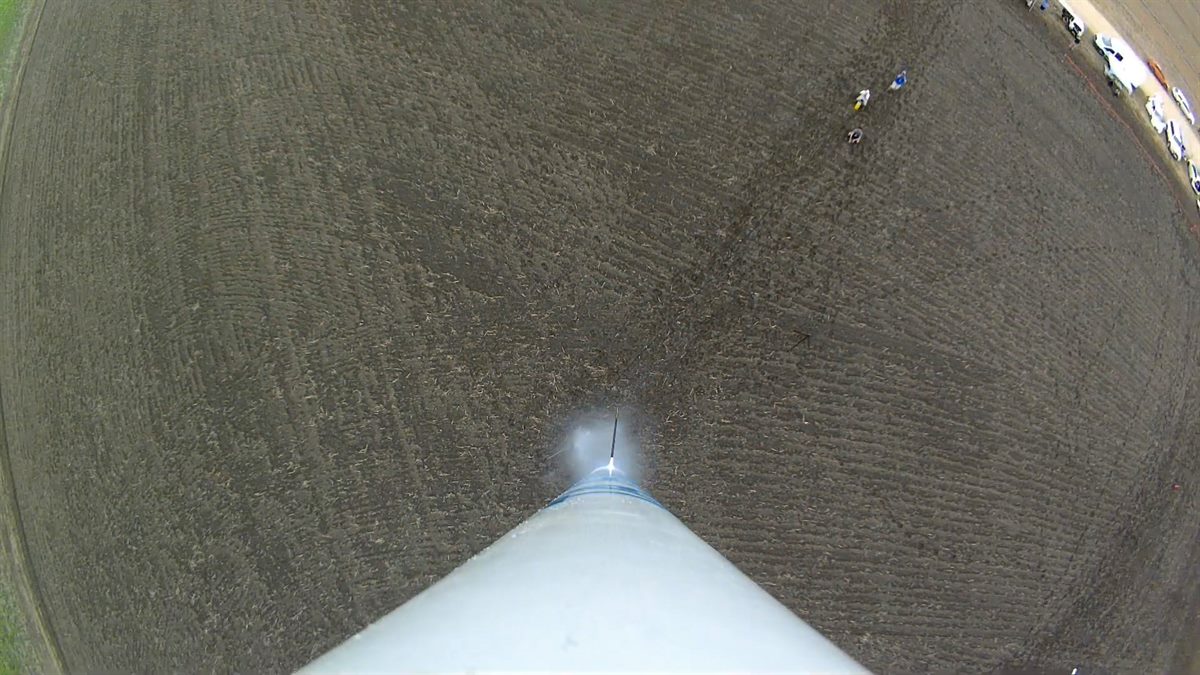
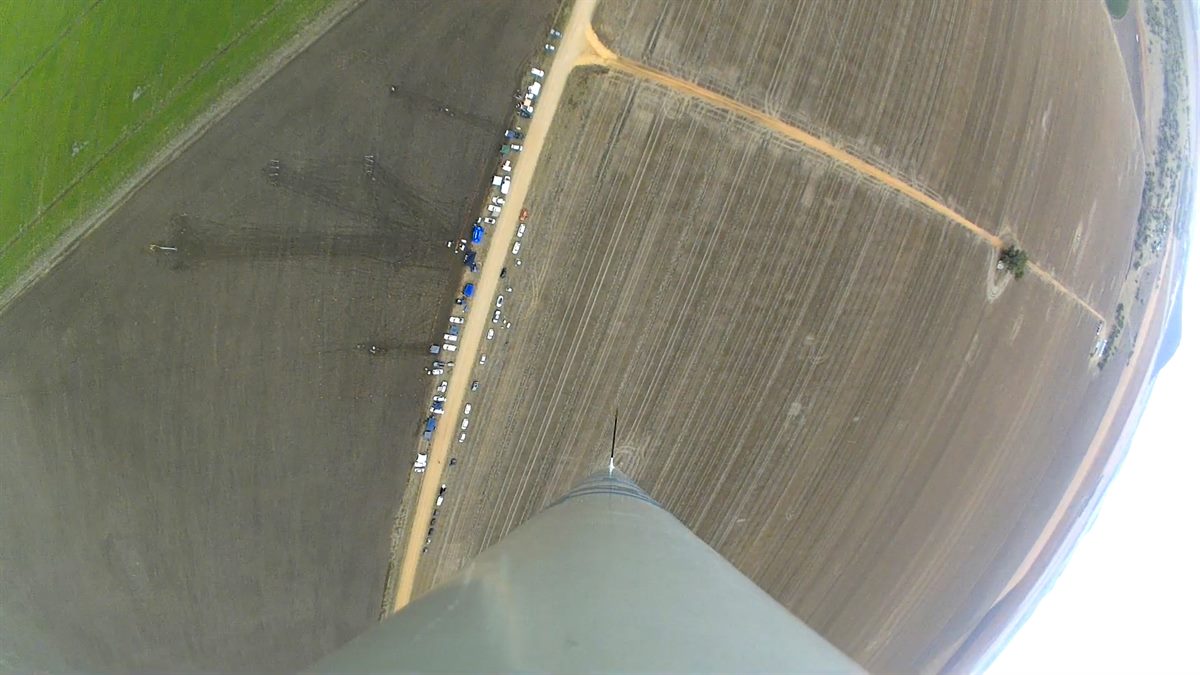
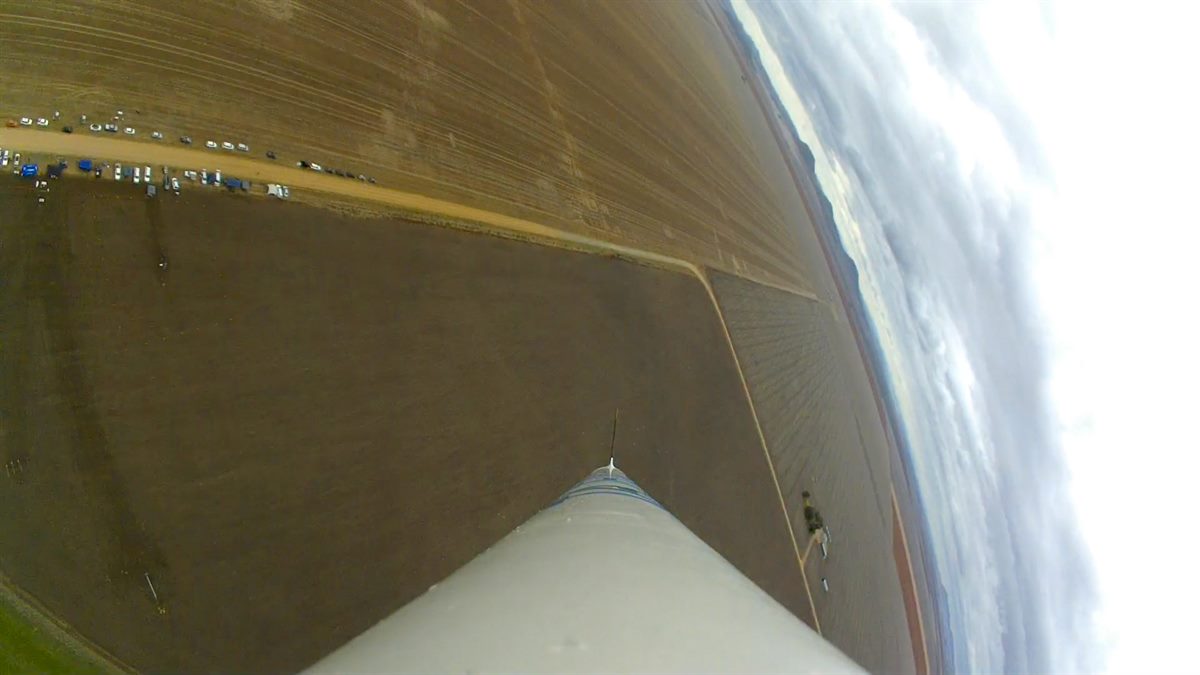
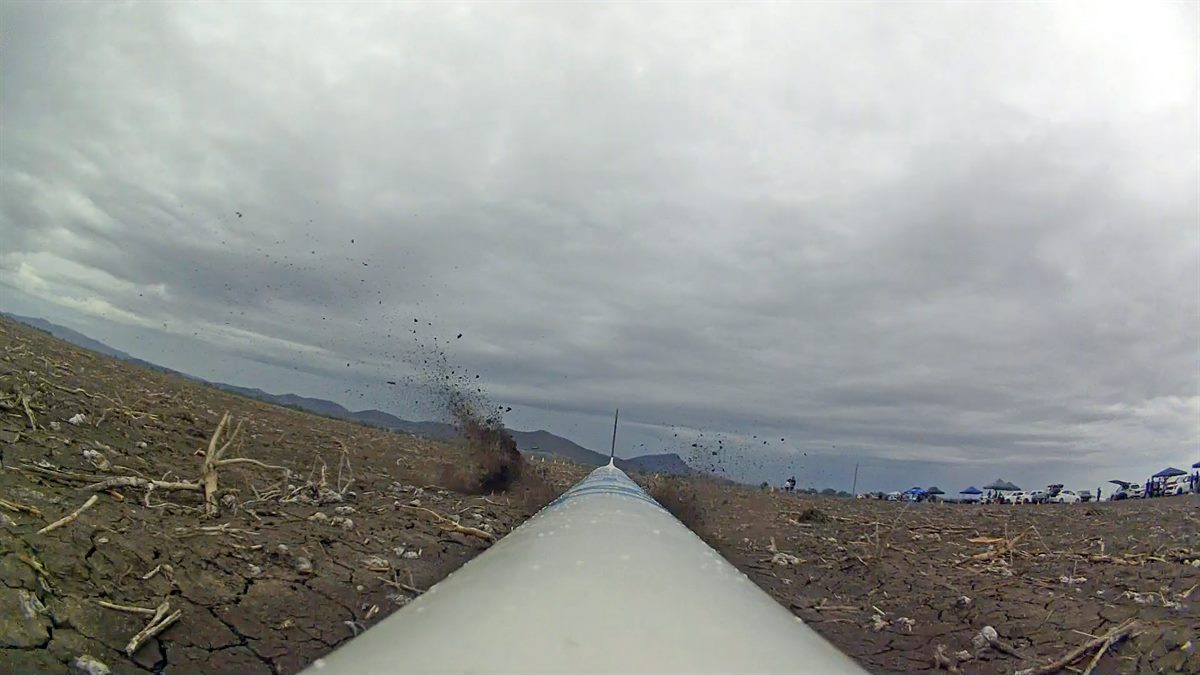
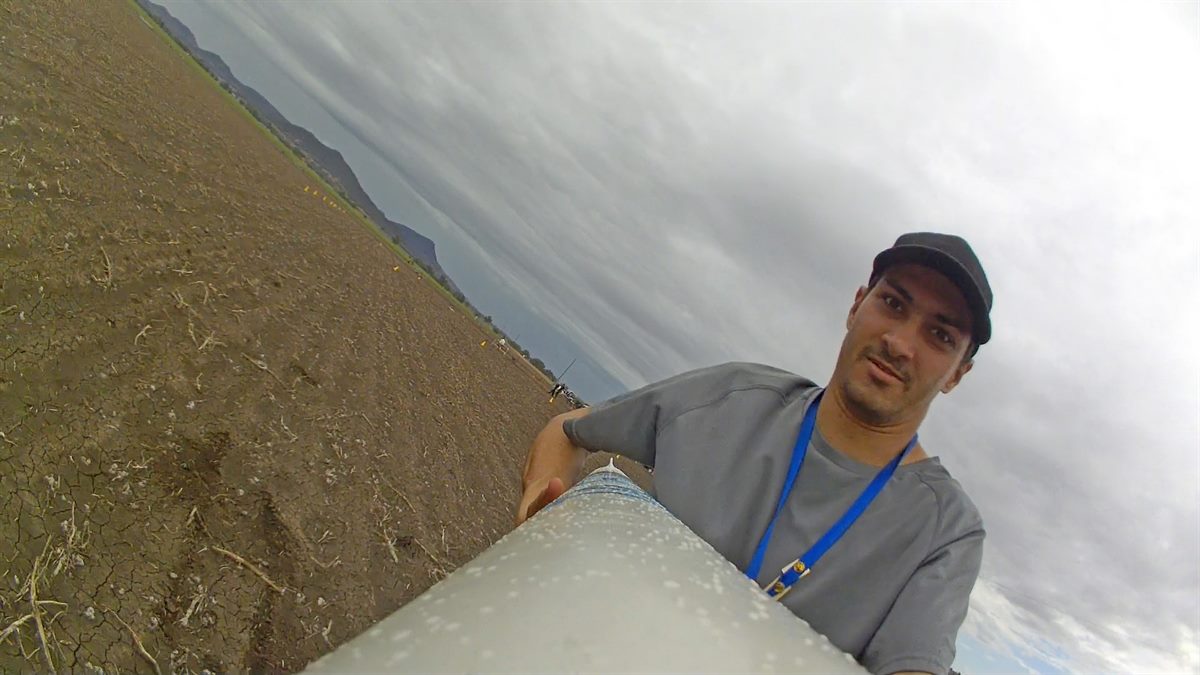
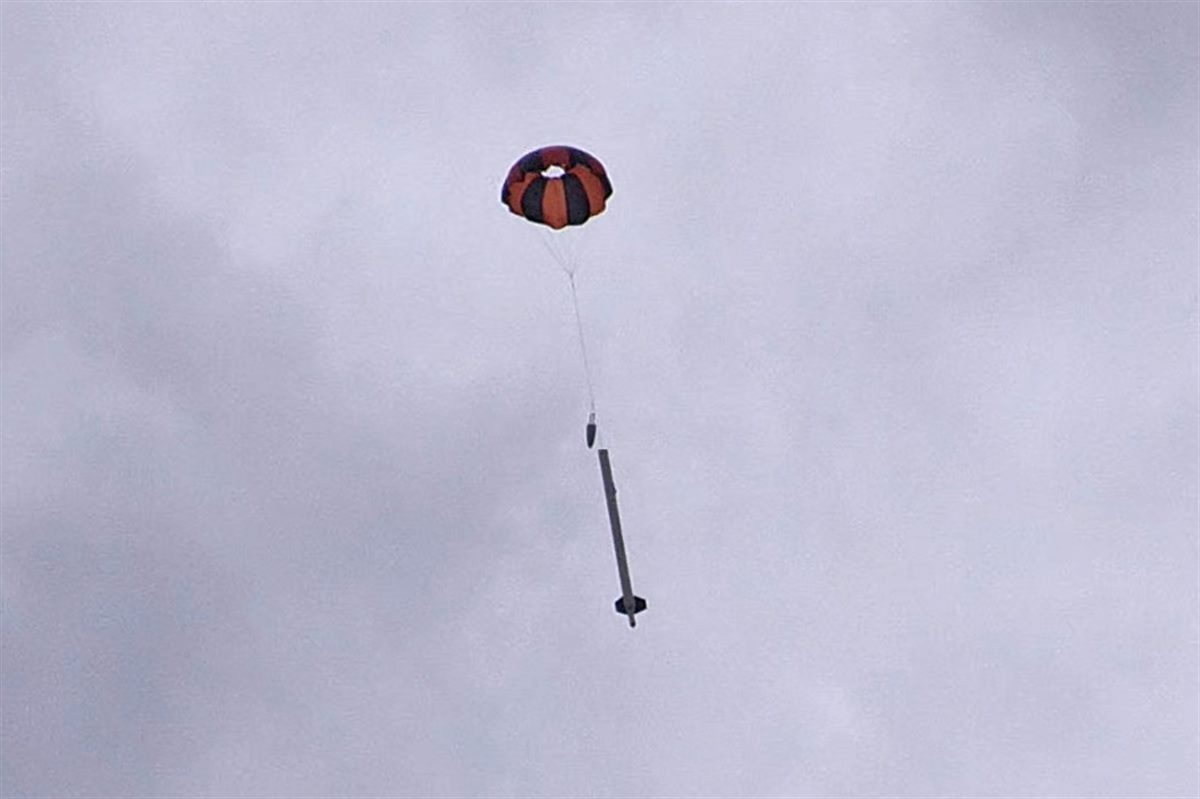
Since we had access to plenty of range at Mullaley, we brought our Nova rocket. We can pressurise it to higher pressures here to go higher. We have launched this rocket previously to 1445 feet at 450psi although the rocket crashed at the time. We decided to use the very same deployment mechanism we had used on the 4 previous flights of the AirHawk2 rocket. The mechanism worked well on all those flights, so we thought we finally solved the issue that plagued us on previous flights of the Nova Rocket.
One other modification we made was to add guide rail lugs so that we didn't need the tower launcher and we could just use our regular guide rail. This was going to add a little more drag to the rocket, but we're not trying to set any altitude goals here so the convenience outweighed the slight performance loss.
Since this airframe/pressure chamber had already crashed 3 times from over 1000 feet, we decided to only pressurise the rocket this time to 400psi. We also filled the rocket with 800mL of water + shampoo rather than the less optimal 700mL that we have used previously.
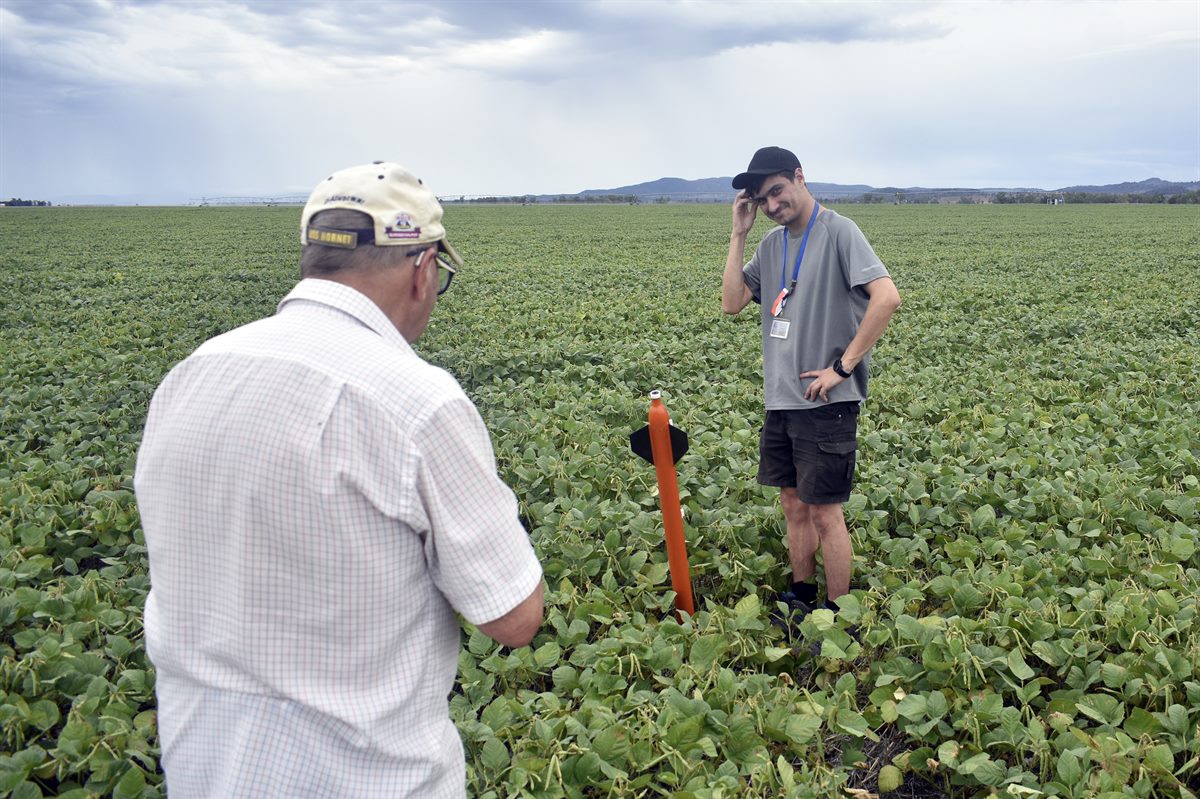
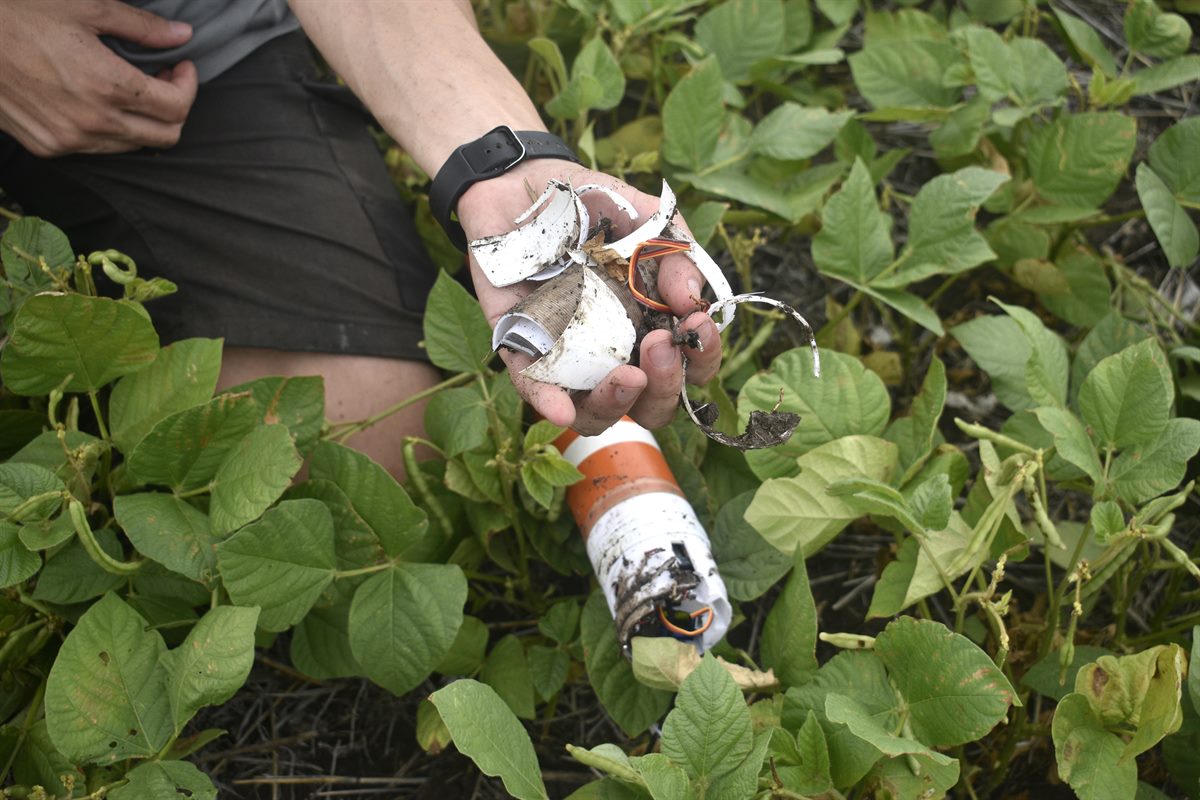
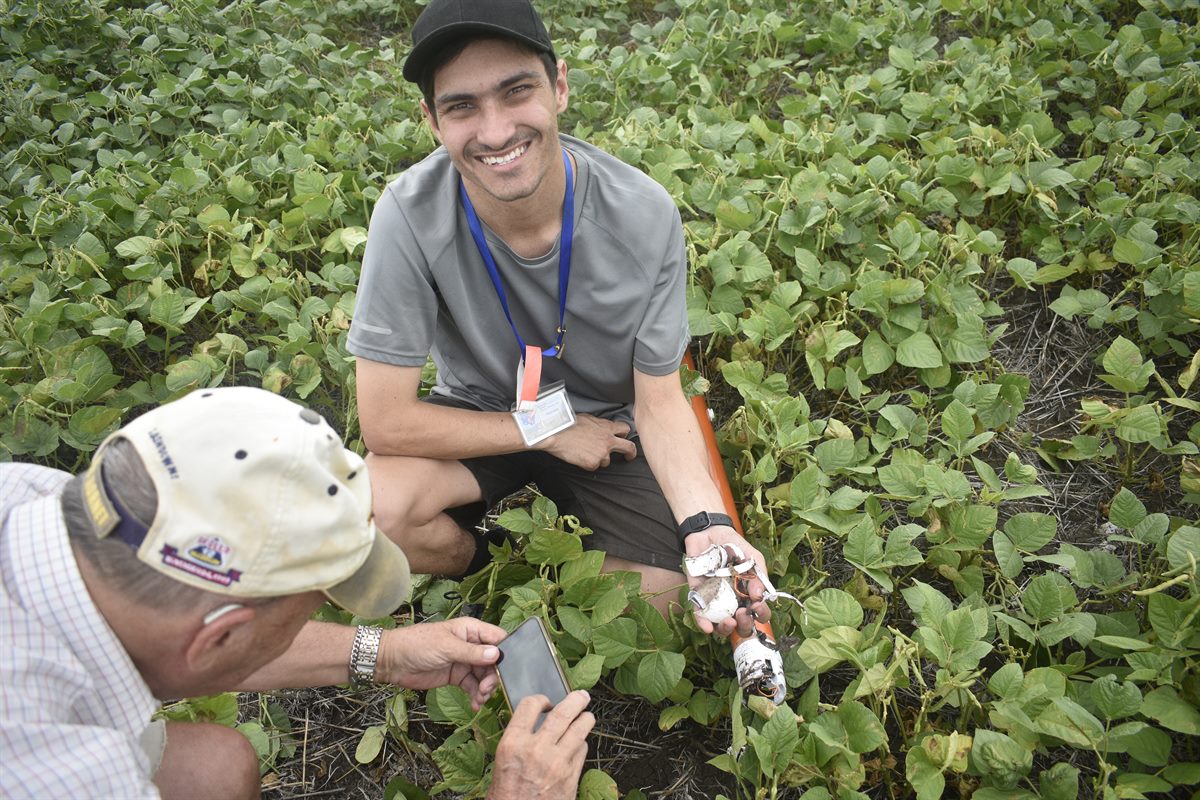
Pressurization went well and we launched the rocket. The rocket went straight up and no parachute opened and the rocket came down ballistic. Ugh. The nosecone buried itself about 30cm into the soft ground. The nosecone was completely destroyed again, but this time the servo timer and altimeter weren't completely destroyed. The altimeter's plastic cover had been pulled about 5mm sideways on the PCB and was partially covering the on off button. The altimeter was off so I thought we had killed another one. So I tried pressing it and to my surprise the altimeter turned on, flashed the last altitude at 1090 feet but because the button was still being pressed down by a part of the plastic cover, it promptly cleared the last altitude. (That's the normal operation, if you press and hold the button during power on it will reset it.) It did that before I was able to take a photo of the altitude. In any case, at least the altimeter survived. Quite a few of the wires were cut on the servo timer, pins were bent, and the power switch was mostly sheared off the board. I definitely remember turning it on and even saying to myself that it is armed as I saw the armed LED. The servo motor horn had been sheered off so I was unable to immediately tell if the servo motor had activated or whether it was a mechanical failure of the parachute door.
I marked the position of the servo spindle in relation to the servo motor, so that I could repair the timer, power it on and see where the servo motor had moved to and whether it had been in the deployed position or whether it was still closed. After power it on, the motor moved 90 degrees to its default locked position. This means that when it crashed the servo was in the deployed position which also means the electronics had worked as expected. So at least that narrows it down as to why the deployment failed. We are going to have to do more tests.
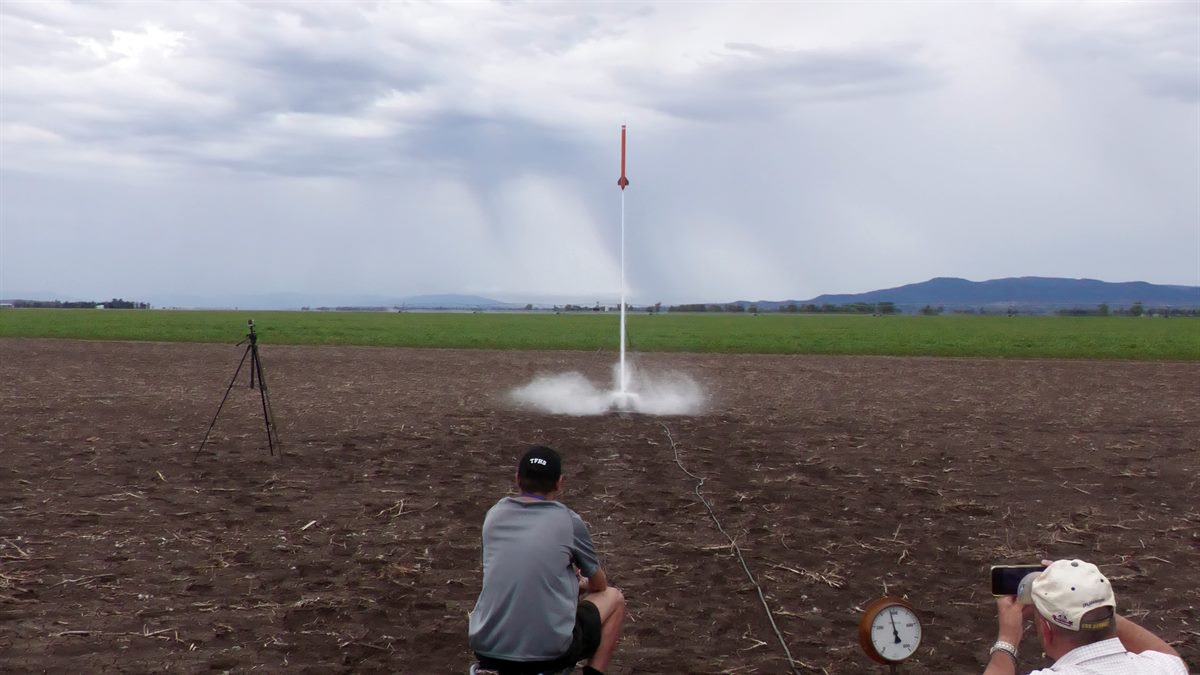
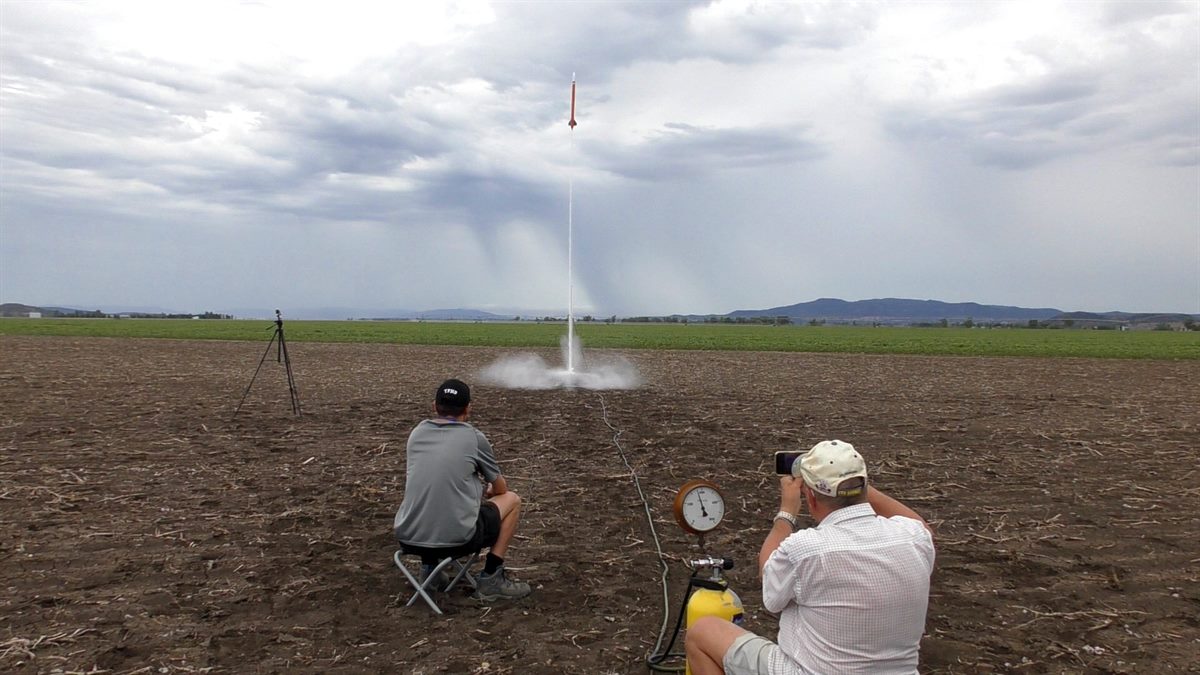
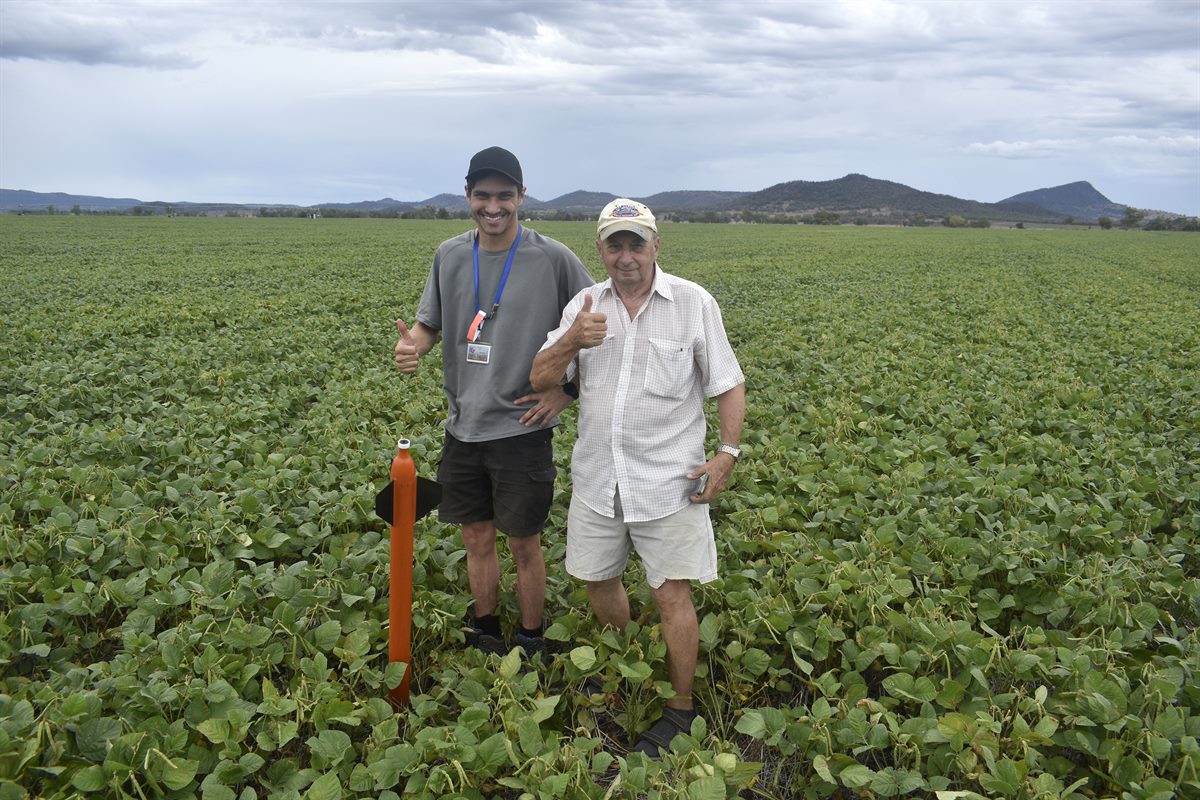
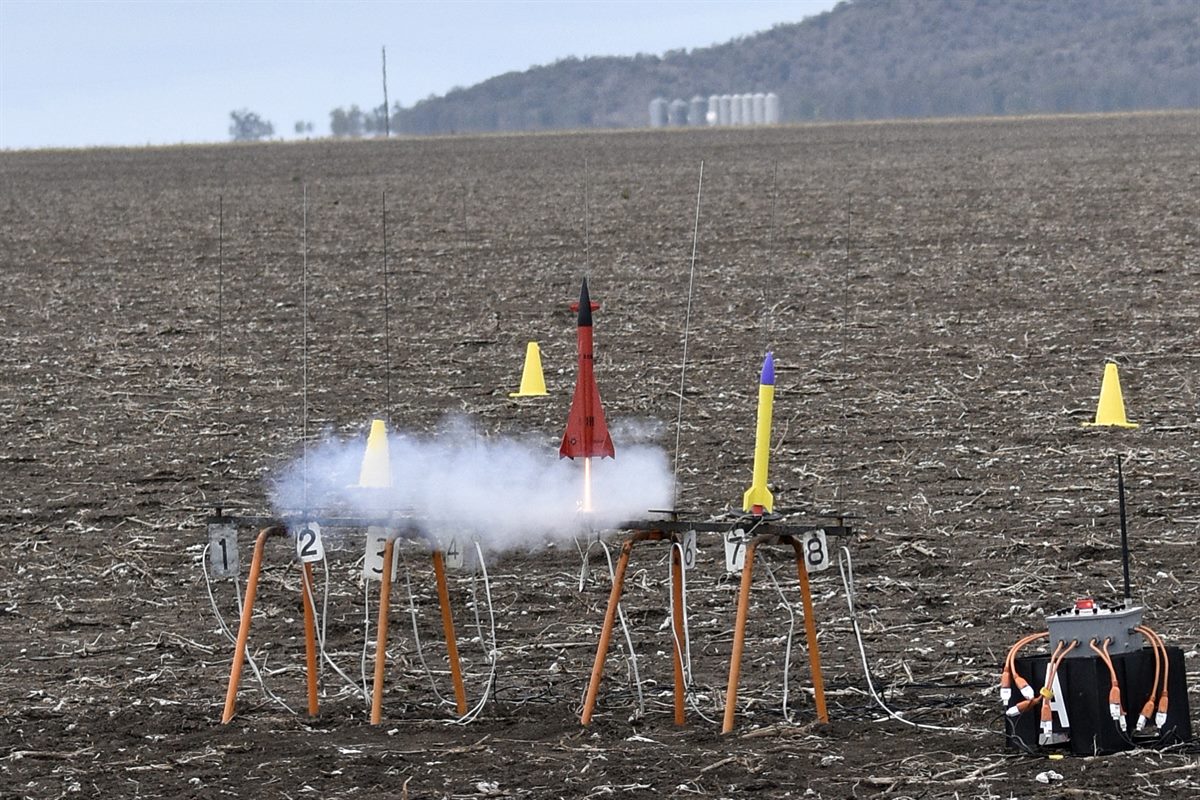
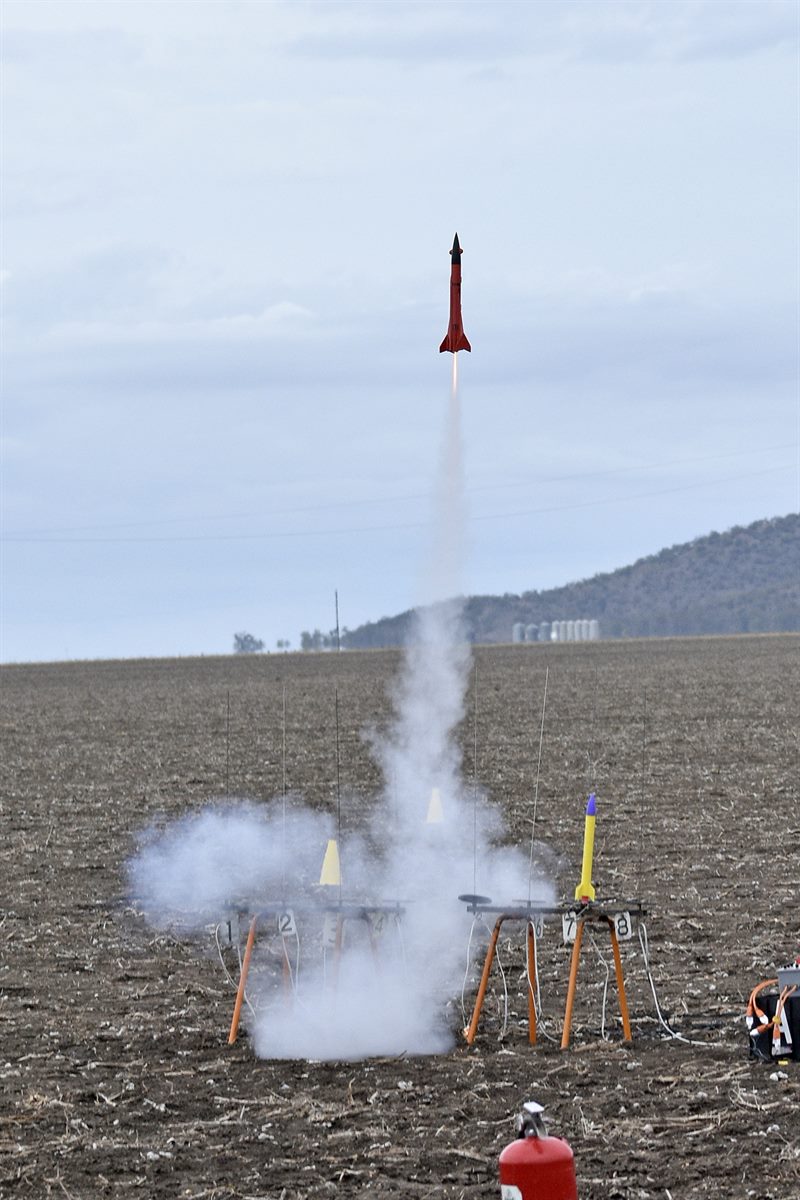
Paul flew 4 of his pyro rockets on the day. We decided to put an F44-8 in his Amraam "Equinox" since we had the range. We knew from others that have flown this kit on the same motor that the expected altitude was around 1700 feet. The rocket flew really well and even whistled a little on the way up. It really looked like it could have gone that high. Rocket landed safely without issues, other than an ejected motor, which someone found later.
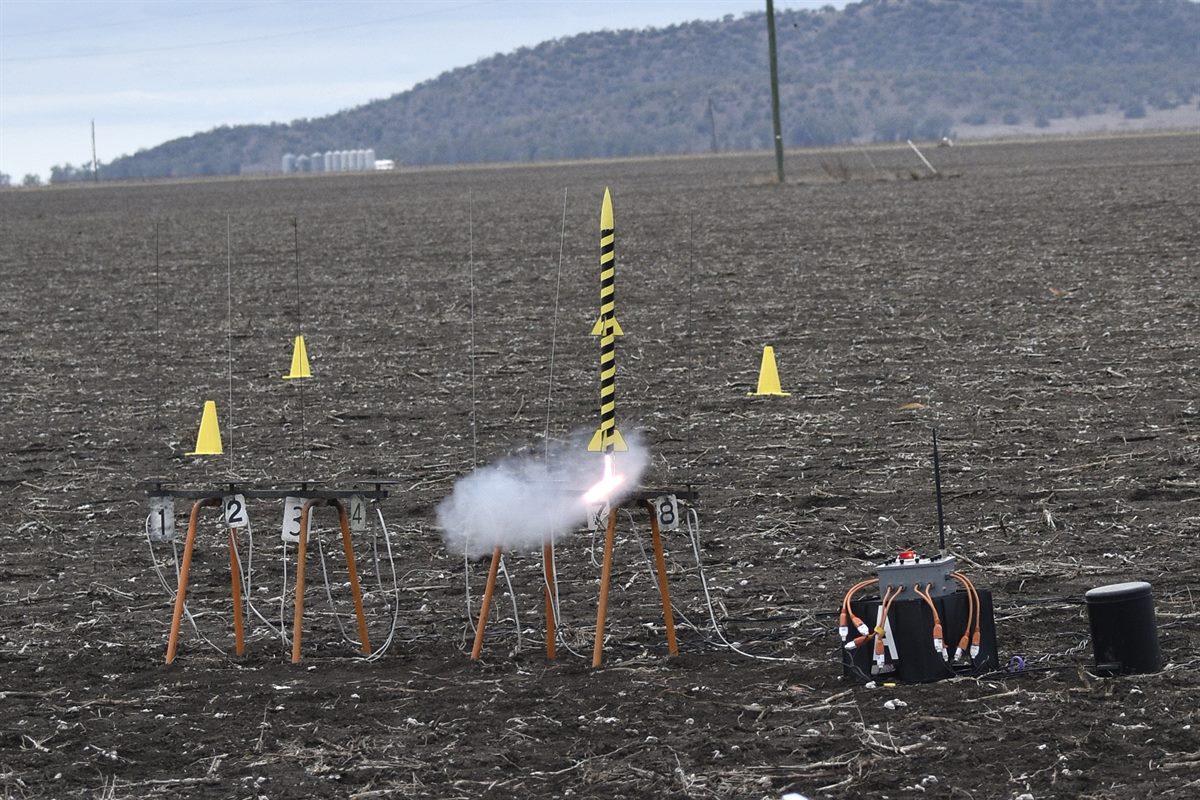
Then Paul flew a new Jayhawk kit. Well, when I say new I mean newly built. It was in the cupboard for a good 7 or 8 years so a week before the launch we decided to build it. We were still putting decals on it in the hotel the night before. The rocket flew great on a D12-7 so the deploy was a little later than the ideal, but it was still a good flight. The kit uses a baffle, but it looks like the holes aren't big enough and so the motor blew out taking the metal retaining clip with it ripping the motor tube along the side. I think we'll drill bigger holes in the baffle, and figure out a better retainer.
Third up was one of Paul's oldest rockets "Pod 2". This is a Preator kit that he has had for at least 15 years. It hadn't flown for quite a few years, and so we let it fly on a C6-5. Rocket flew great and also recovered safely.
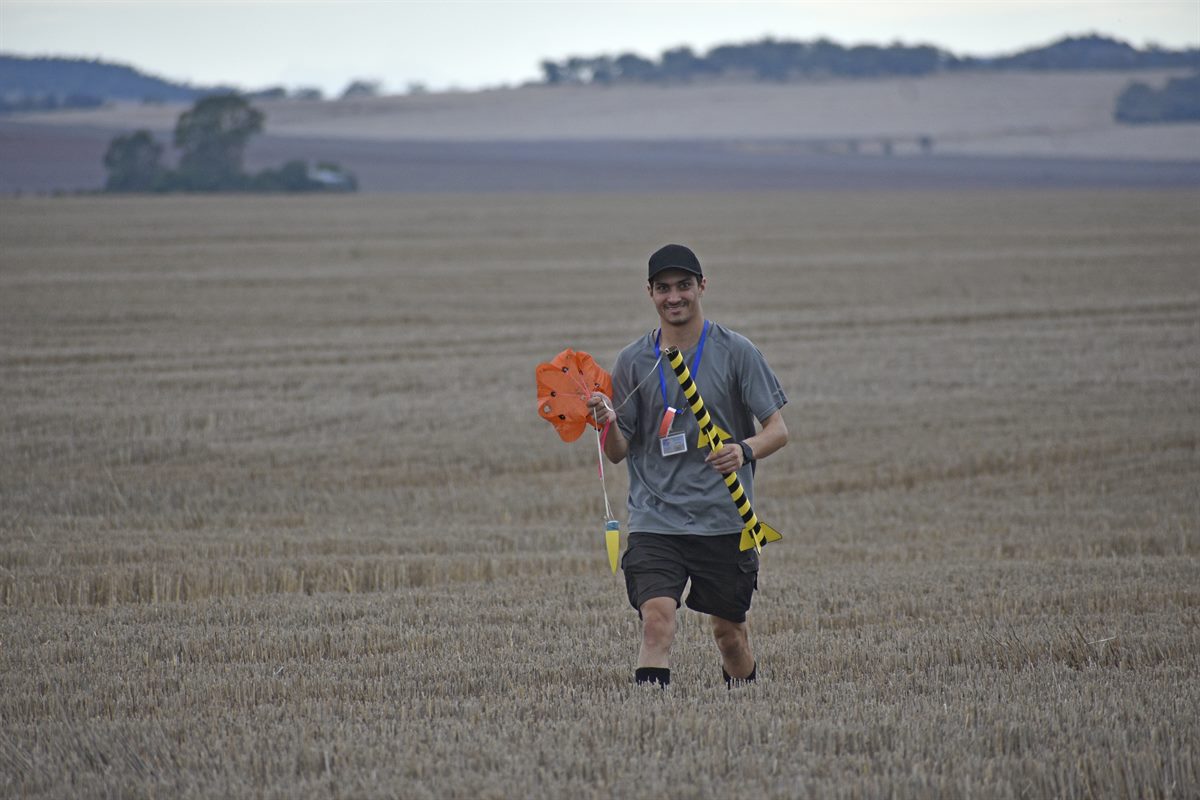
Last of the day was Paul's "Pod 3" a larger fiberglass version of the Pod 2. We flew this on a E30-7. The rocket also flew great and you could easily hear the whistles that are attached to the nosecone of the rocket. Rocket landed well without any issues.
So overall quite a successful weekend although it was a little warm, mostly overcast with an occasional sprinkle, but the ground was dry and the wind was fairly low. The launch area was also well ploughed so easy to get around.
| Launch | Details | ||||||||||||||||||||||||
| 1 |
|
||||||||||||||||||||||||
| 2 |
|
||||||||||||||||||||||||
| 3 |
|
||||||||||||||||||||||||
| 4 |
|
||||||||||||||||||||||||
| 5 |
|
||||||||||||||||||||||||
| 6 |
|