


| Date: | 29 June 2024 |
| Location: | Whalan Reserve, Australia |
| Conditions: | Mostly sunny, Calm 10C |
| Members: | GK and PK |
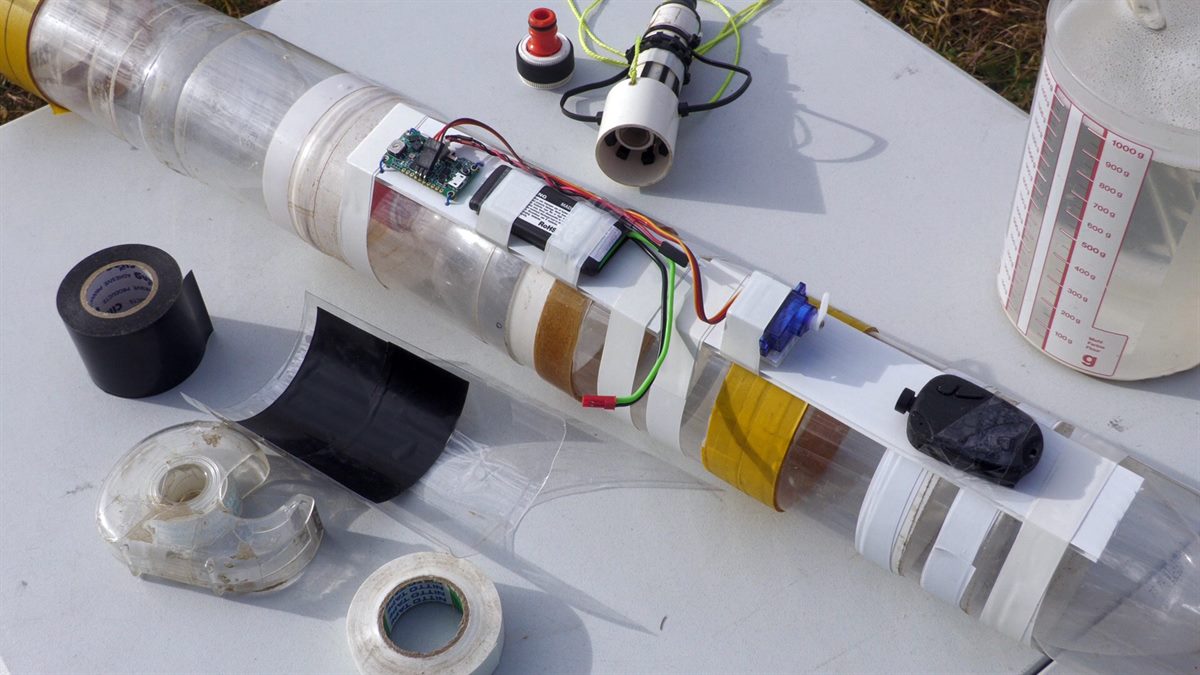
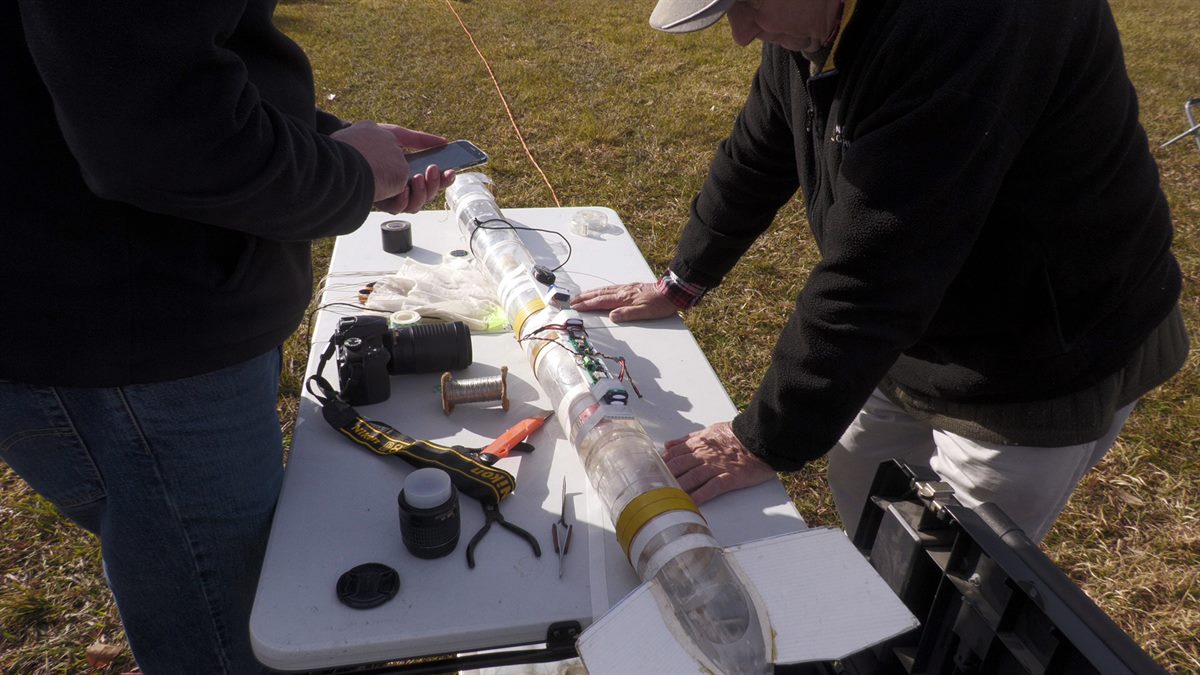
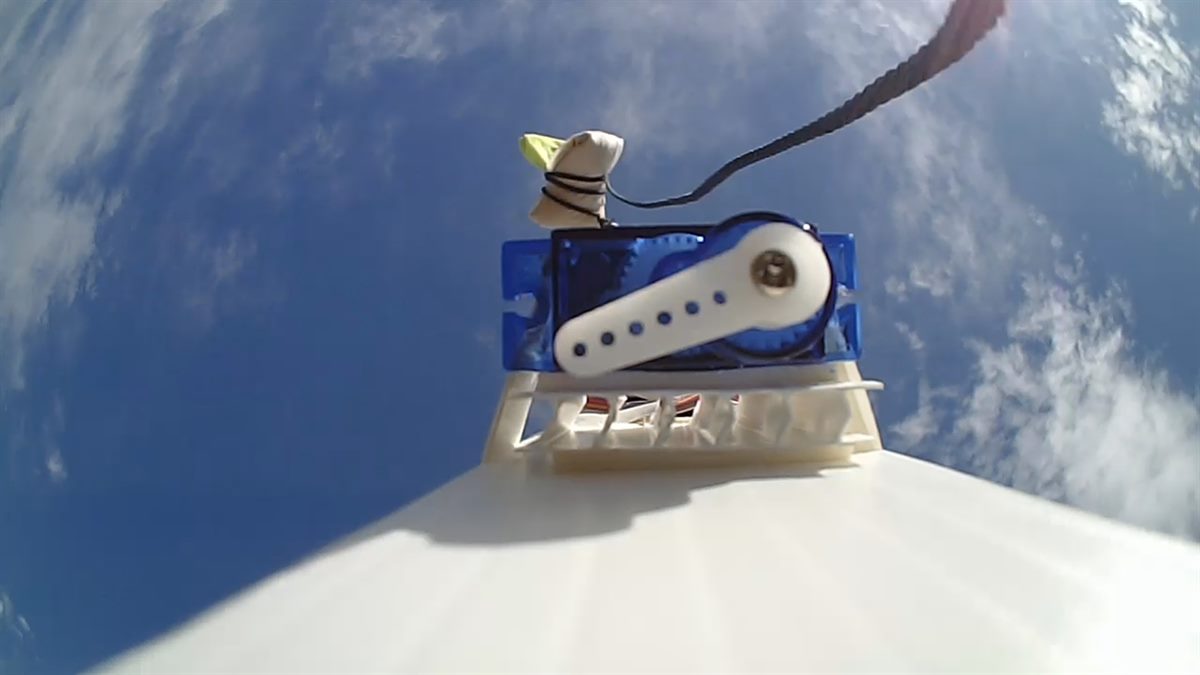
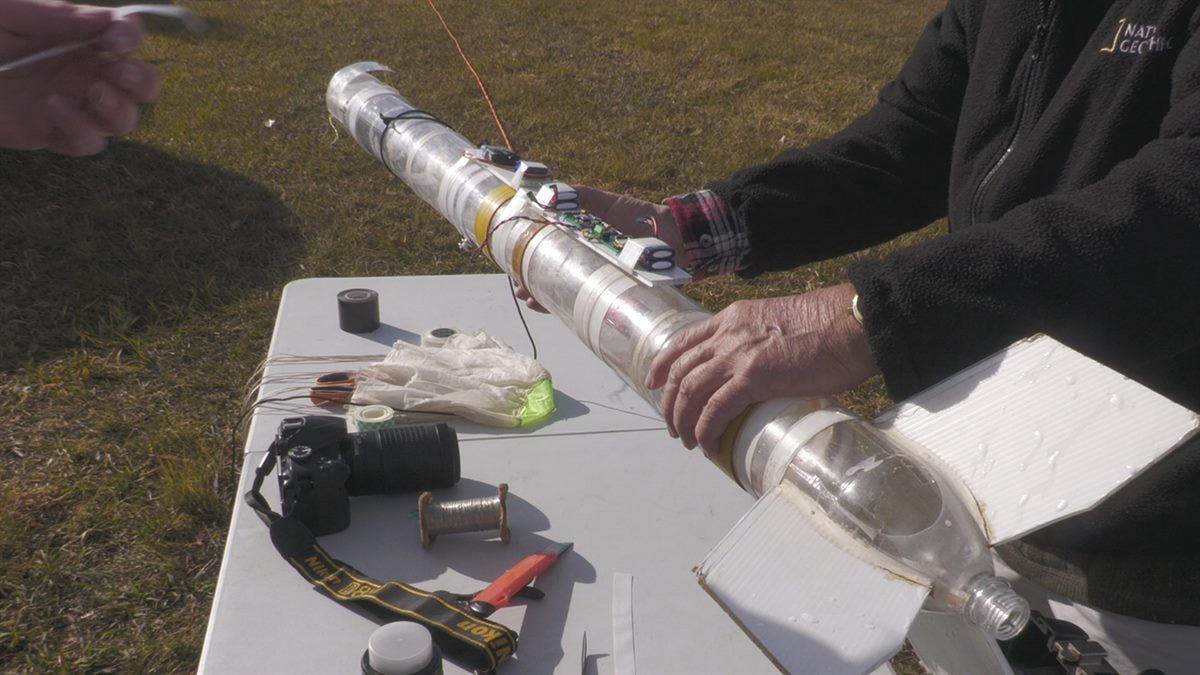
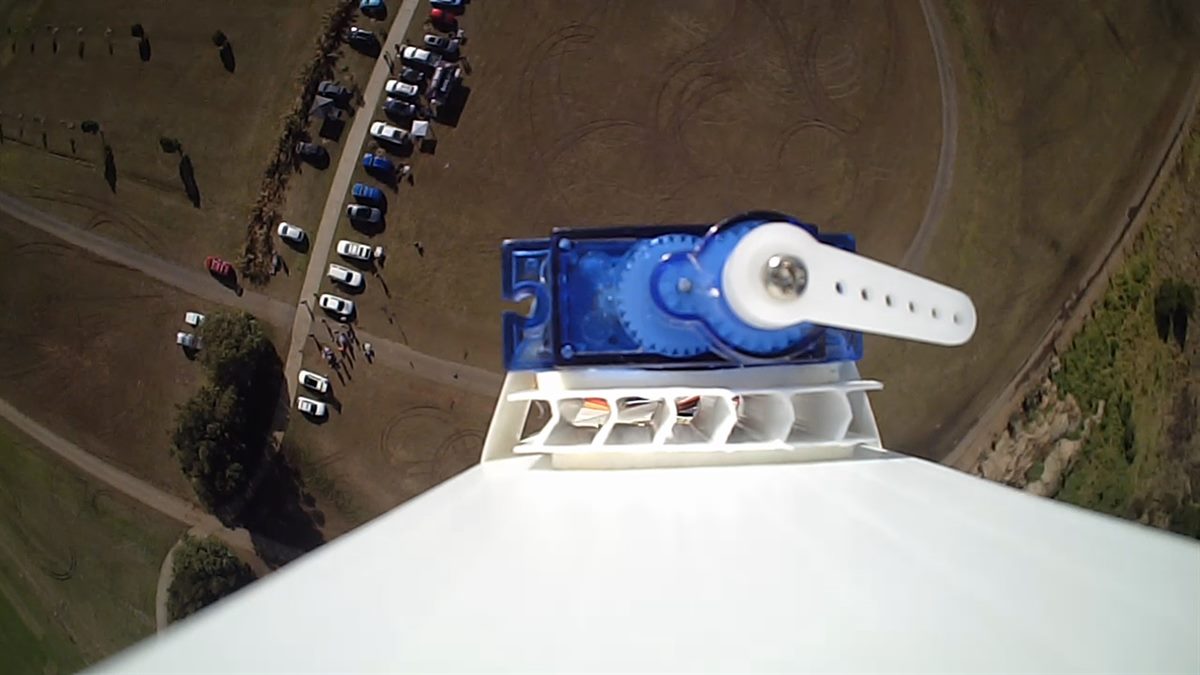
We removed the electronics from the two Horizon booster pods and attached it to a piece of Corriflute. We didn't want to fly the entire nosecone in case it was damaged. We also attached a camera and a servo motor to a second piece of Corriflute so that we could see when the servo motor activated in relation to where the rocket was in it's flight path.
For the first experiment we used Dan's Rokit flight computer. We had used this flight computer before successfully so we just wanted to confirm we had everything set up correctly. The flight computers here were only along for the ride and were not deploying the parachutes. That was being handled by our servo timer. It was configured to deploy the parachute after apogee, so that we could see what the computers were doing during apogee.
We pressurised the rocket to 110psi for this flight. We also used a launch tube and a 22mm nozzle just to try to simulate a higher acceleration launch to be closer to what the actual booster would do. It was also a test to see how the flight computers would detect launch.
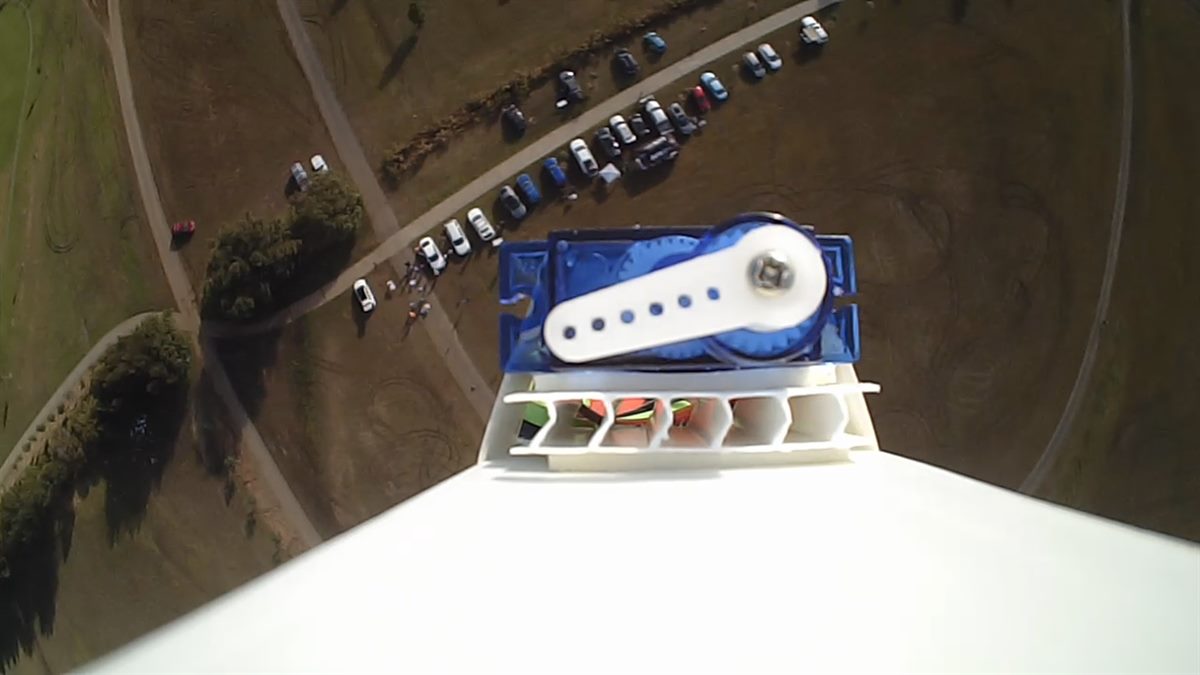
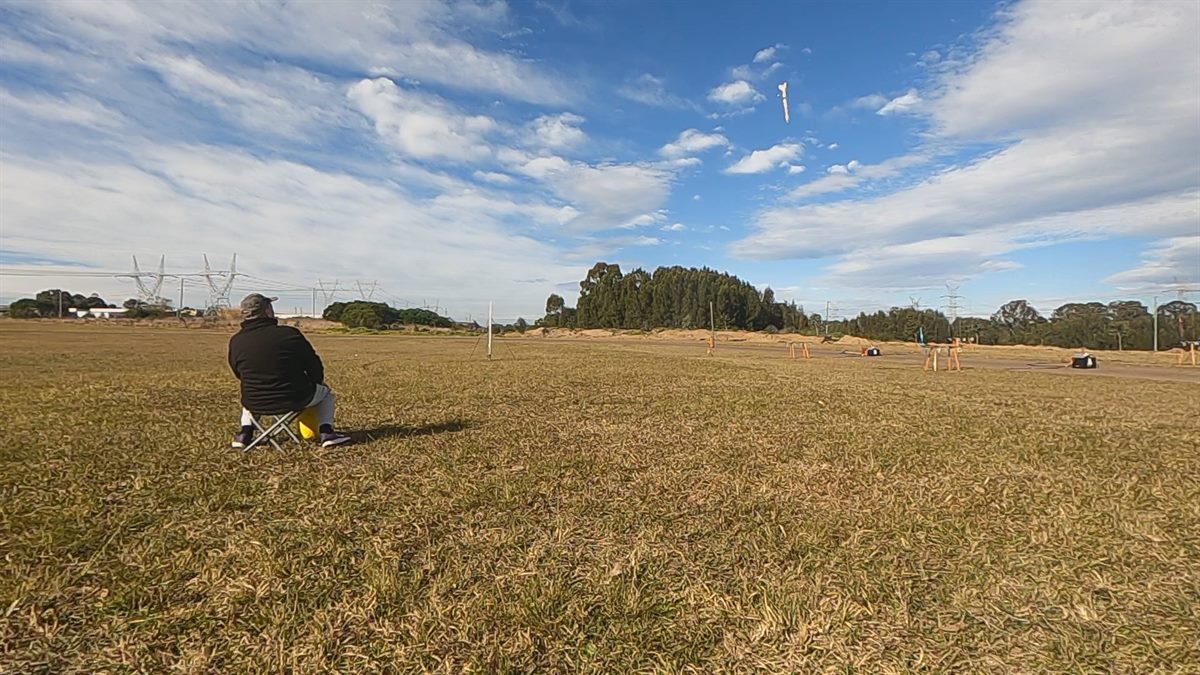
The first flight went well and we got good video of the servo motor moving in flight. At the time of the launch we only quickly reviewed the video and all looked good. But it was only when we got back home and reviewed the video more closely did we notice that servo motor had actually activated shortly after boost. This would be less than optimal if this happened on the Horizon rocket. Based on that observation alone we decided to not use the Rokit flight computer. We just didn't have the time to debug the code and go through a test campaign to re-test it.
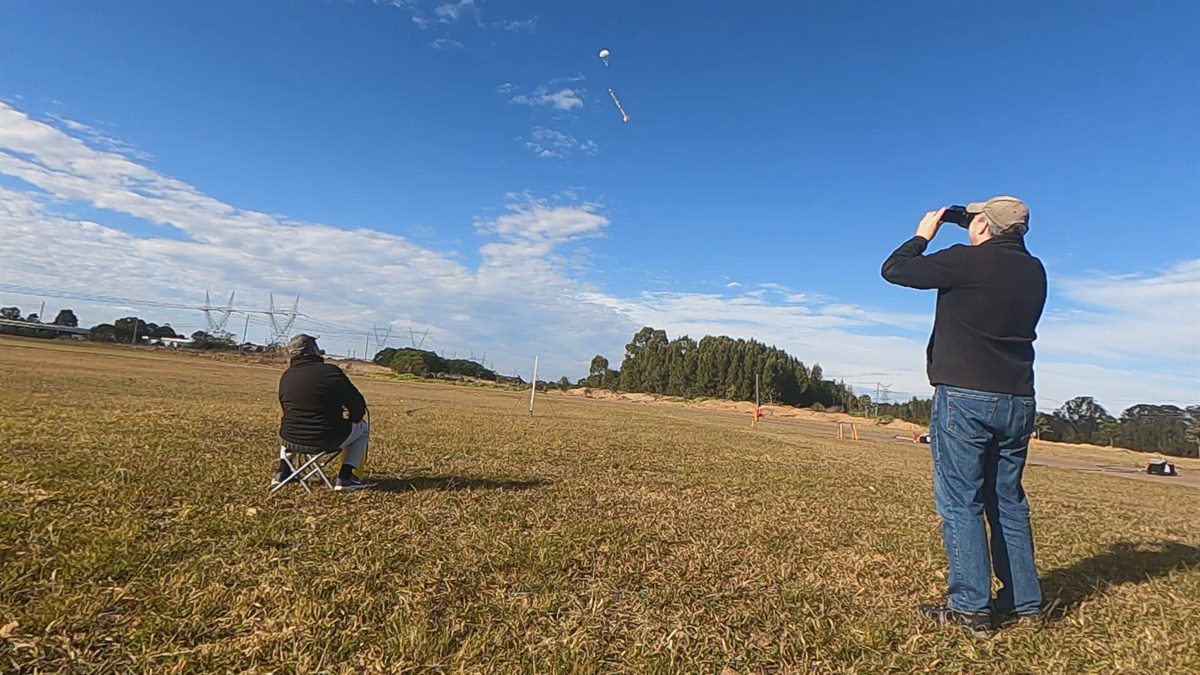
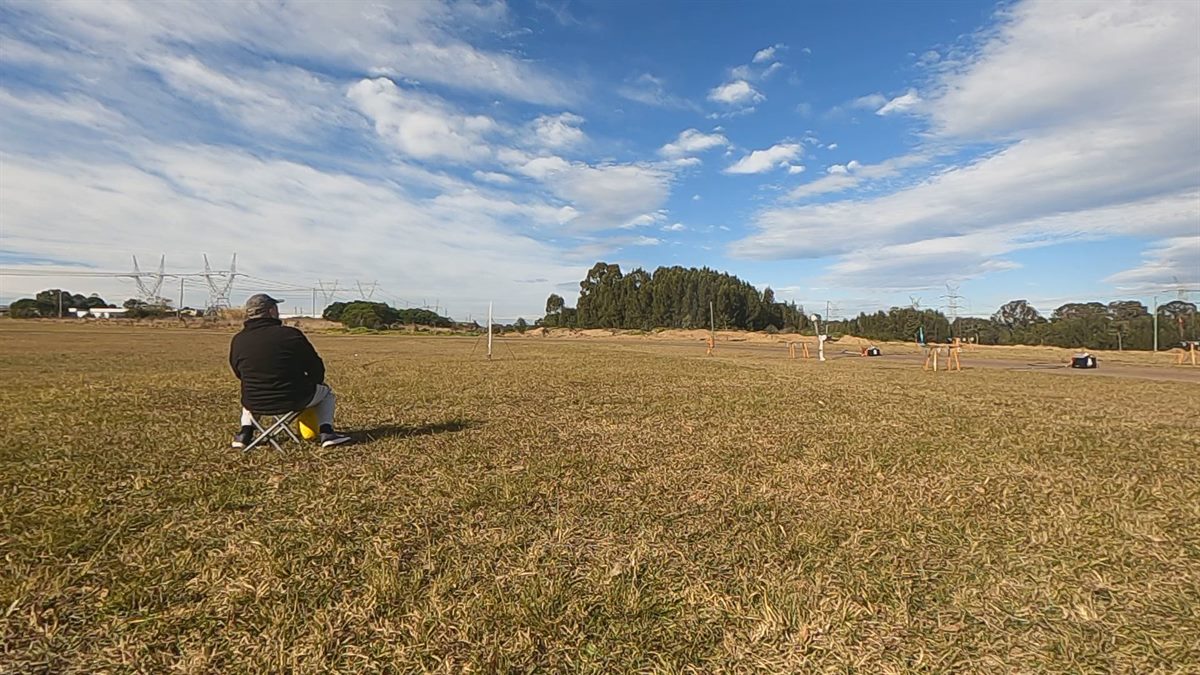
The rocket flew well and landed without issues.
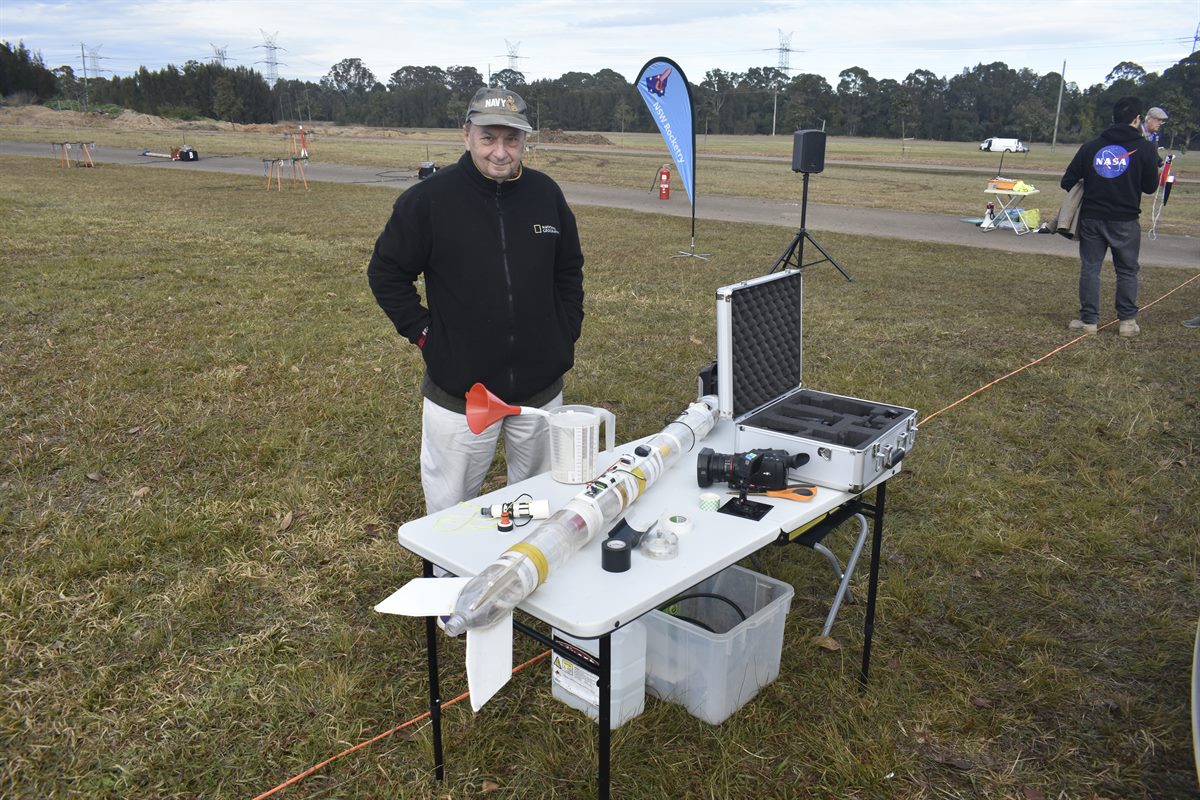
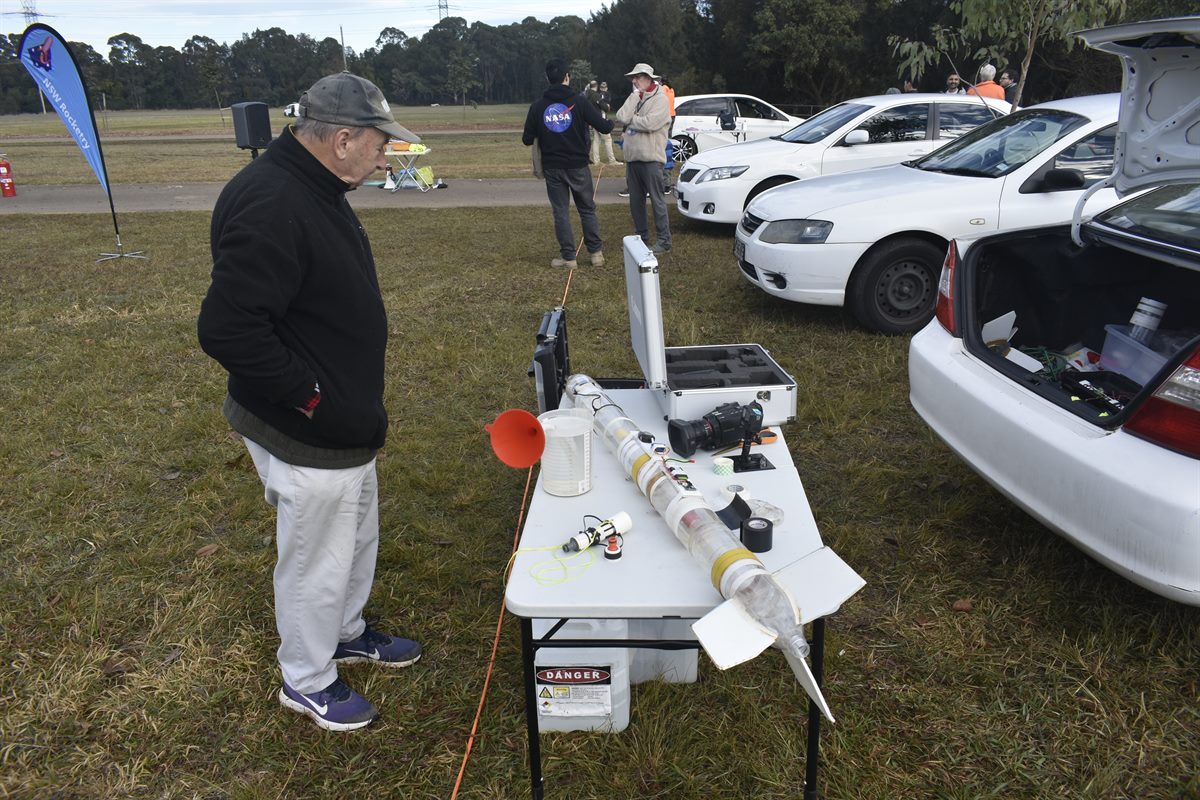
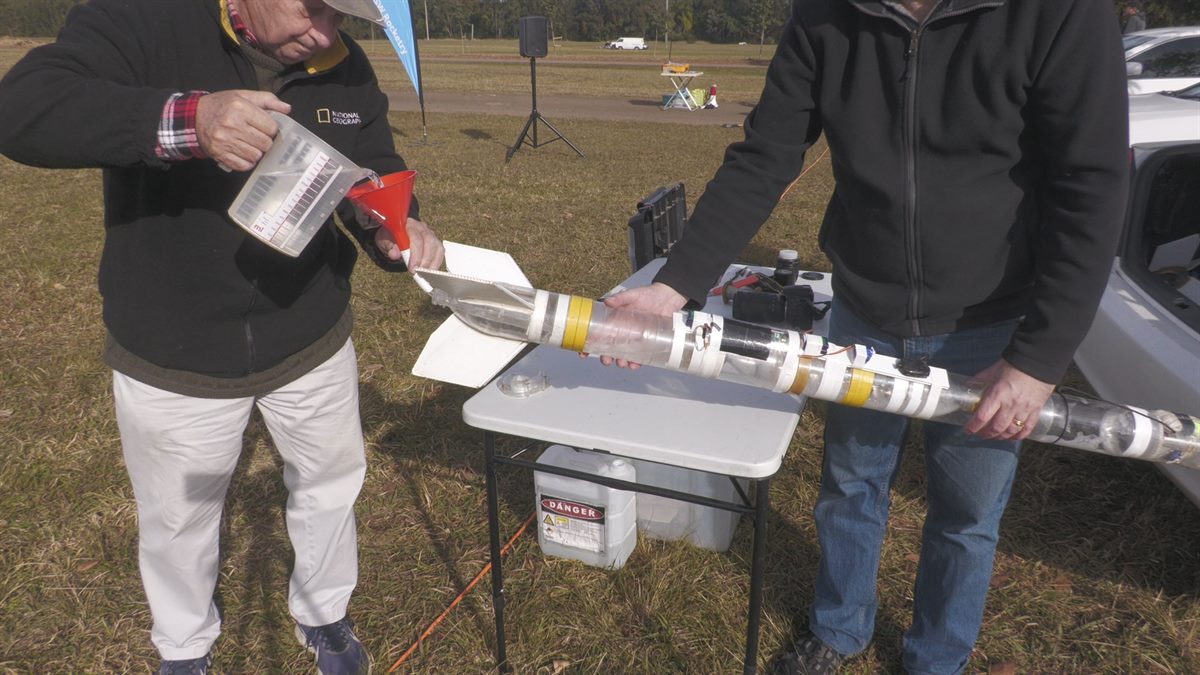
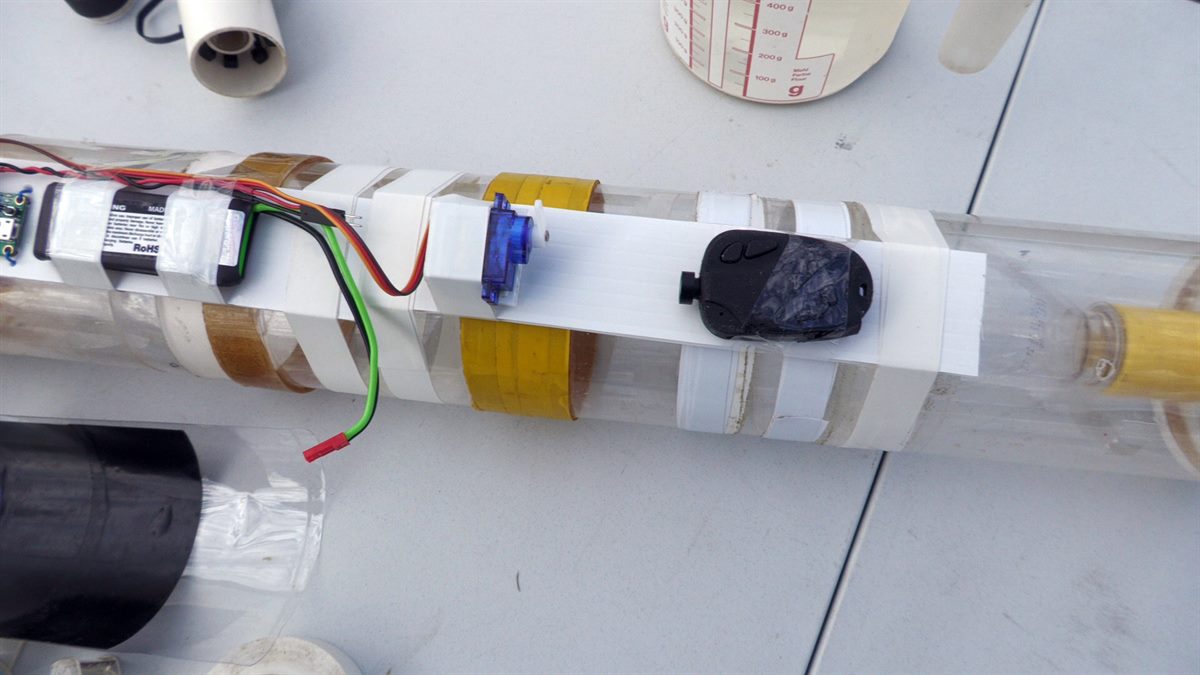
For the second flight we replaced the Rokit flight computer with the EggTimer Quantum flight computer that we had assembled a few days earlier. We had never flown these flight computers on any of our rockets so we really didn't have much experience with it. Although it does have a servo output, it was much easier to just trigger our servo timer II that we have much more experience with and can configure it exactly how we want.
We again set up a camera over the top of the servo motor so we could watch it move.
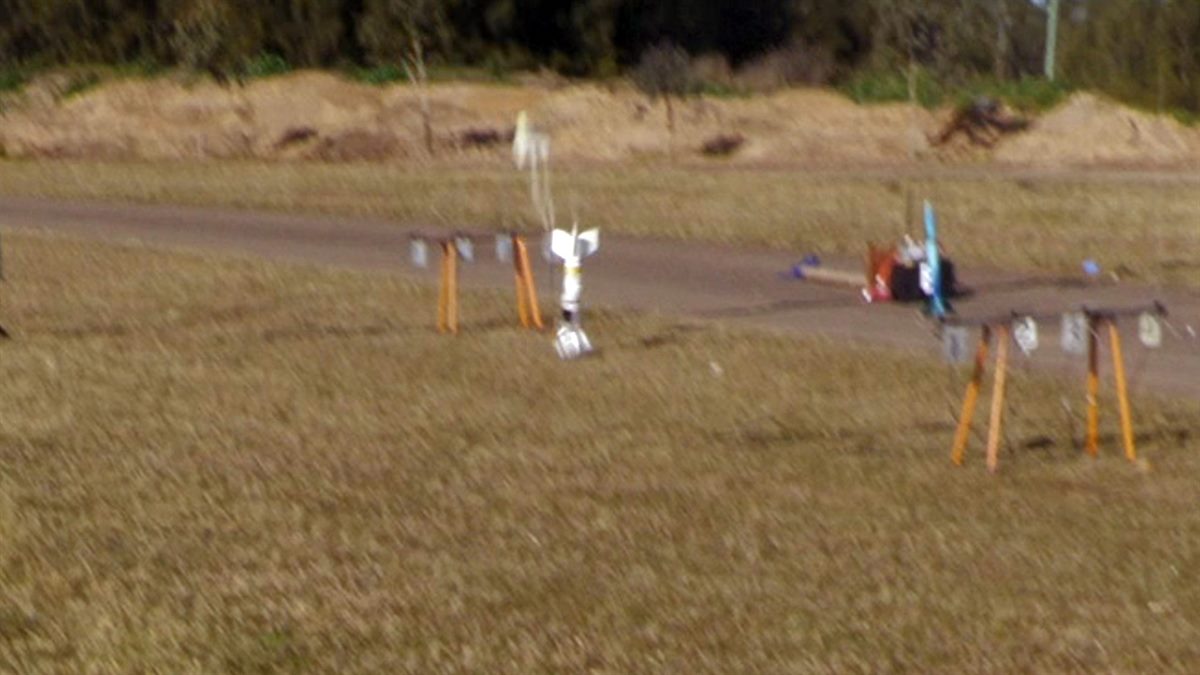
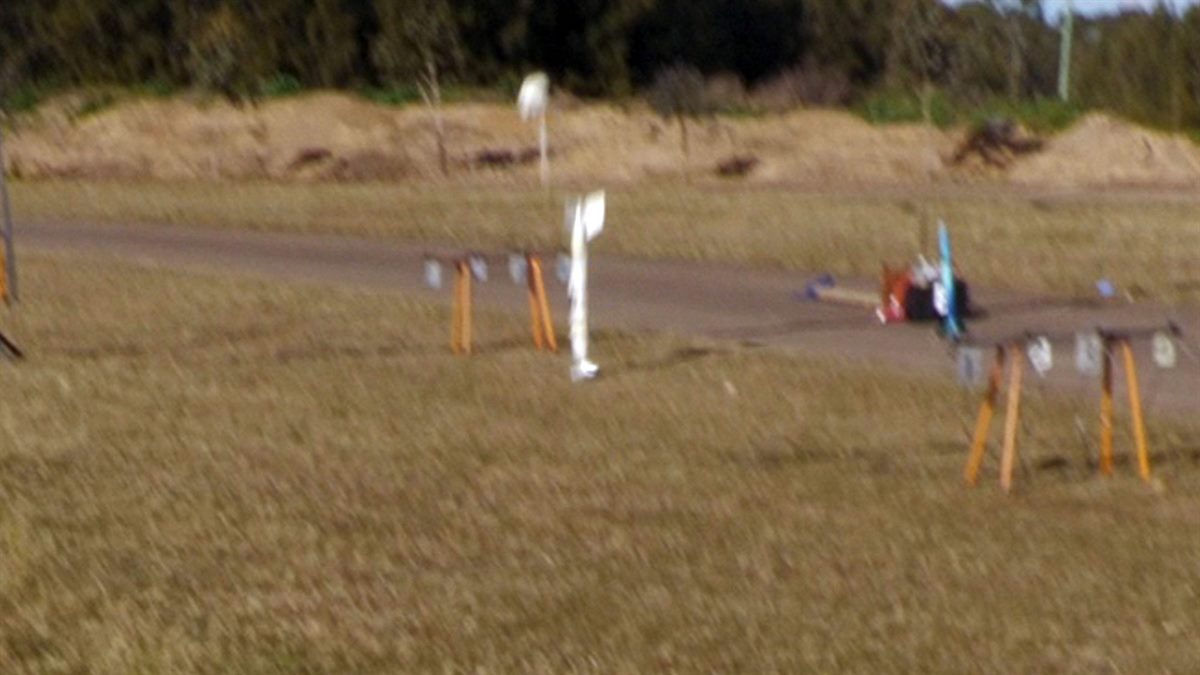
The rocket was again launched at 110psi with a 22mm nozzle. This time the rocket went up nicely, but the parachute got tangled up on the fins and didn't fully open until about 1m above the ground. The rocket sustained heavy damage, at least to the bottles, but the quantum flight computer, batteries and camera all survived fine. This is one of the reasons why we put the computer on the side of the rocket.
Otherwise the Quantum flight computer behaved exactly as expected, and triggered the servo motor right at apogee. For this reason we decided to go with both Quantum flight computers in each of the redundant pods on the Horizon booster.
The take away from today was that it is important to do testing and gather good data.
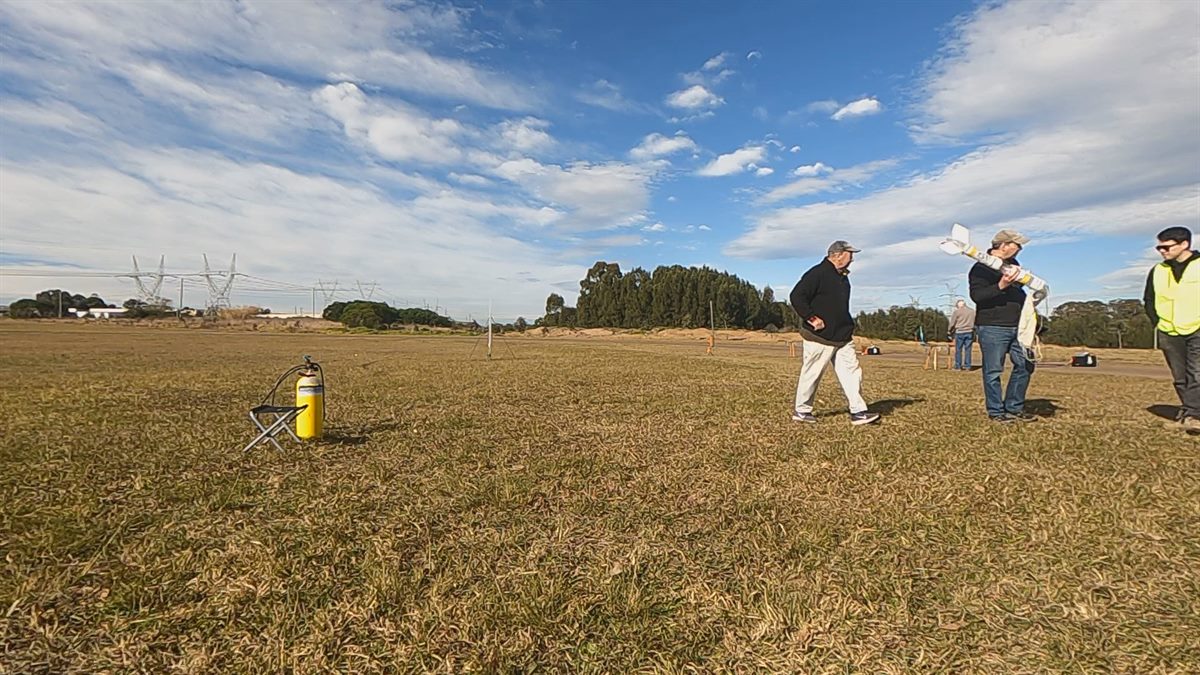
We brought along the GPS unit we borrowed from Derek for testing in the field. I had dad hide the nosecone with the transmitter and then I used the GPS receiver to track and find where it is. It worked quite well and even entering the co-ordinates into Google maps pretty much pinpointed where the nosecone was. I was able to walk up to it within a few meters. The transmitter should work well to help locate the Horizon sustainer.
| Launch | Details | ||||||||||||||||||||||||
| 1 |
|
||||||||||||||||||||||||
| 2 |
|