


| Date: | 10 August 2024 |
| Location: | Mullaley, Australia |
| Conditions: | Mostly sunny, Calm 20C |
| Members: | GK, John K, Paul K, PK, AK, AB |
With high power launches at the NSWRA Mullaley launch site taking place only a couple of times a year, we wanted to finish the Horizon booster before the August launch. We had spent almost 7 years developing this rocket, and if we didn't get a chance to launch it in August it would mean having to wait until April of the following year. So with perhaps 3 months before the launch we started putting in a big push to get the rocket wrapped up.
In the end we managed to get everything finished with a couple of days to spare. We had to do more thorough project management on this one as there were lots of tasks to do and a lot of them were interdependent.
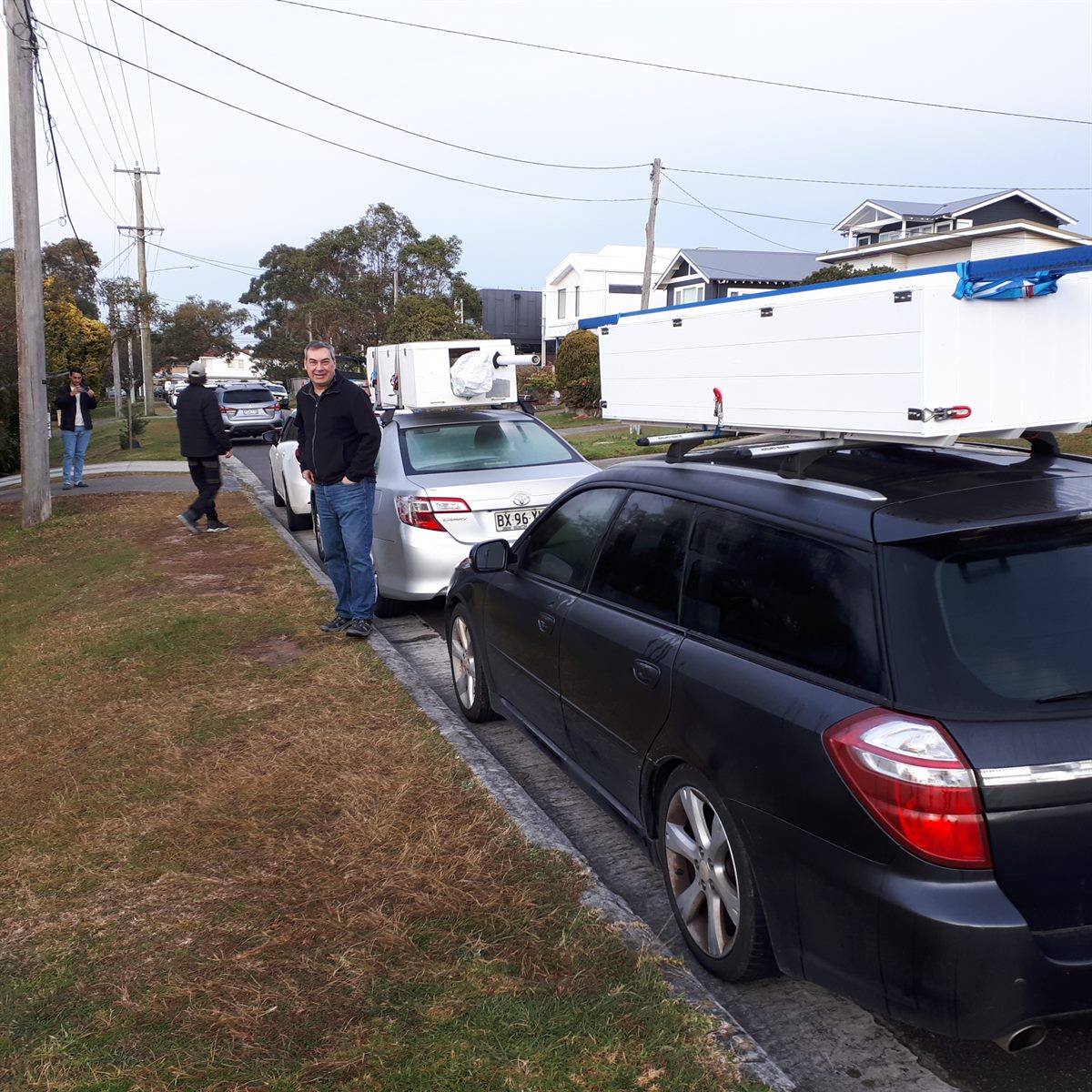
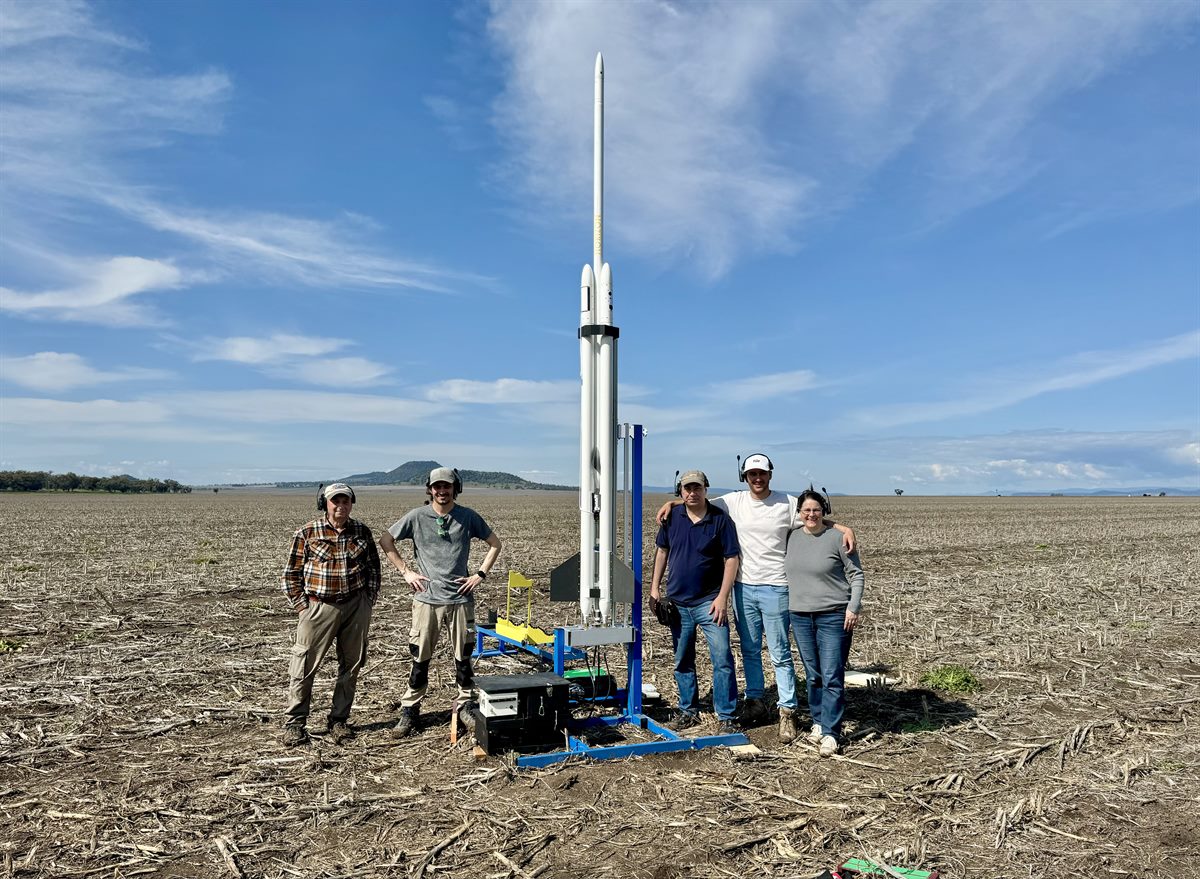
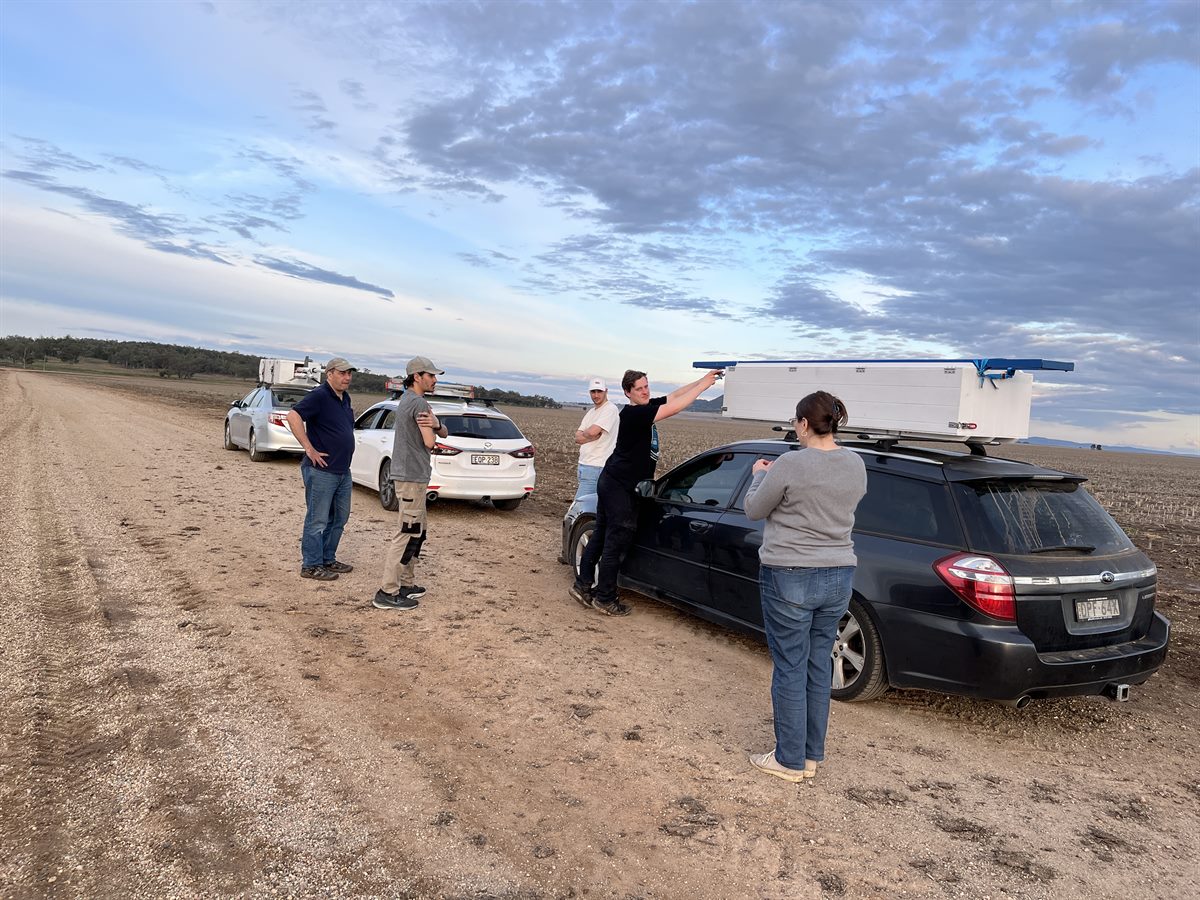
We managed to get the whole family to come to this launch as it was going to be a big effort to get the rocket up in the air. One of John's friends was able to join us to assist in launch prep. We had so much equipment that it took 3 cars to bring everything with us.
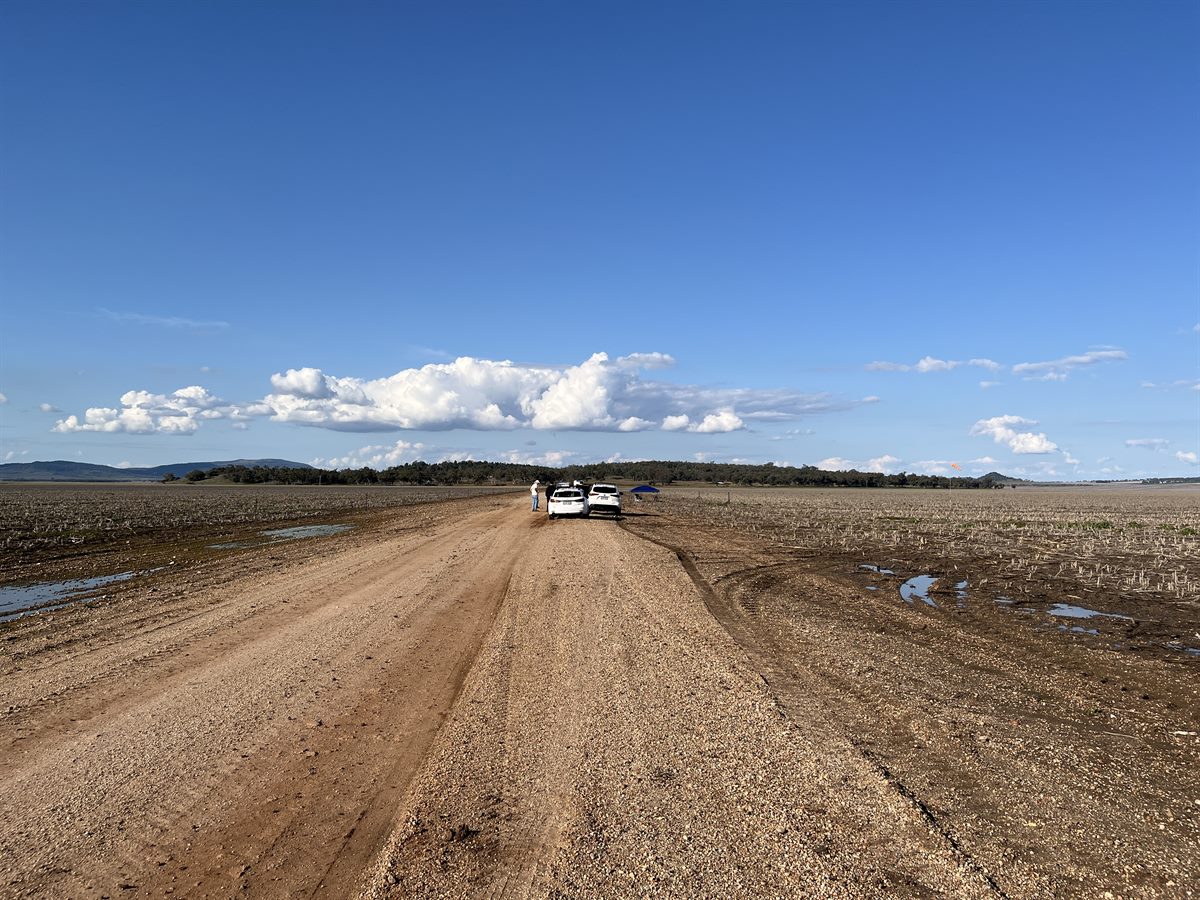
We left Sydney earlier than normal, about 7am, as we wanted to get to the hotel, and then to the launch site to start setting up. We stayed at the usual hotel where they now know us as the "rocket guys". We dropped off some gear at the hotel, unloaded the booster and sustainer and left those in the hotel room and drove the 40 minutes to the actual launch site. Unfortunately it had rained at least 50mm the week before and so there was a lot of mud on the fields. Not just ordinary mud, but sticky mud.
Initially we were going to set up on a side road, but we ended up getting bogged and everyone had to help to push the car out. So we set up on the other side of the range on the main road. We built the frame and put the scuba tanks on the pad. This took about an hour and a half. This meant that in the morning we could save time in not needing to set up the launch pad.
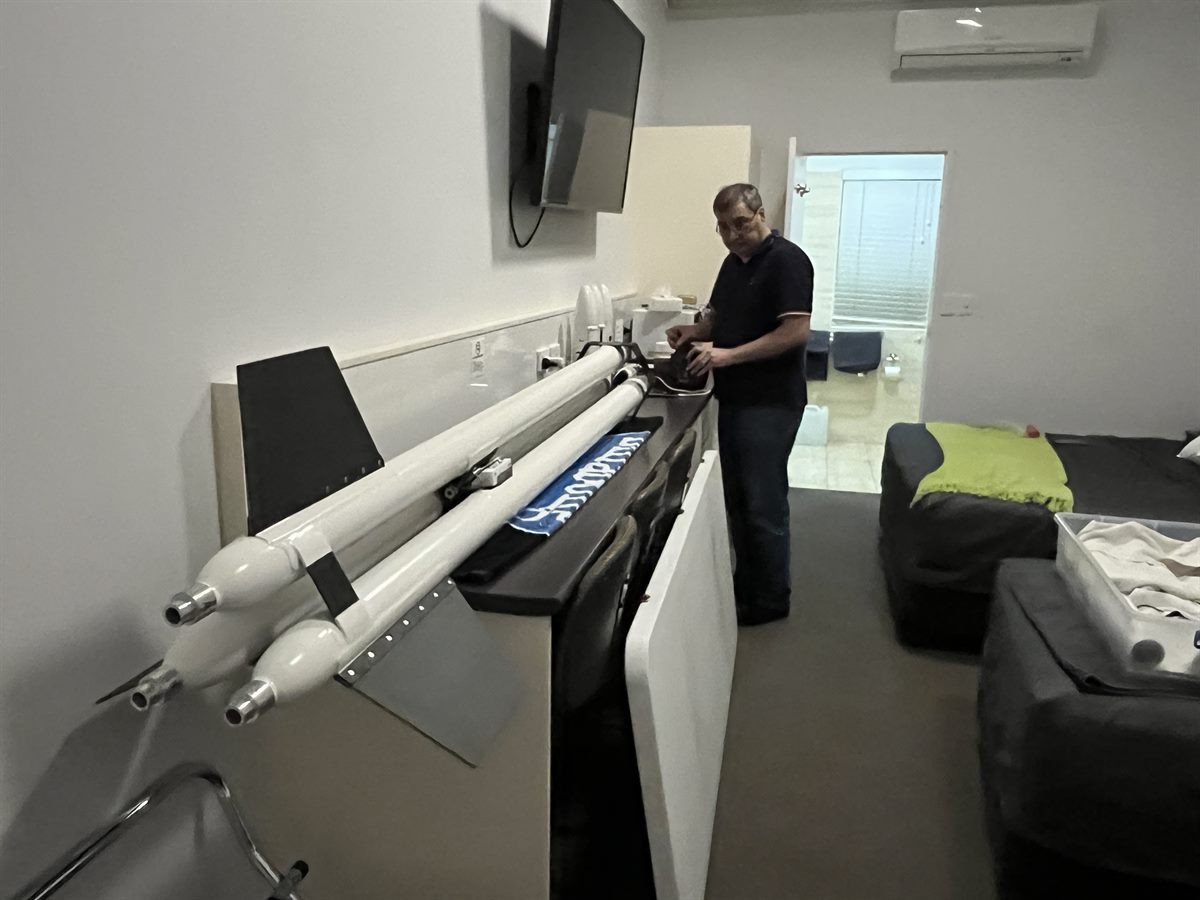
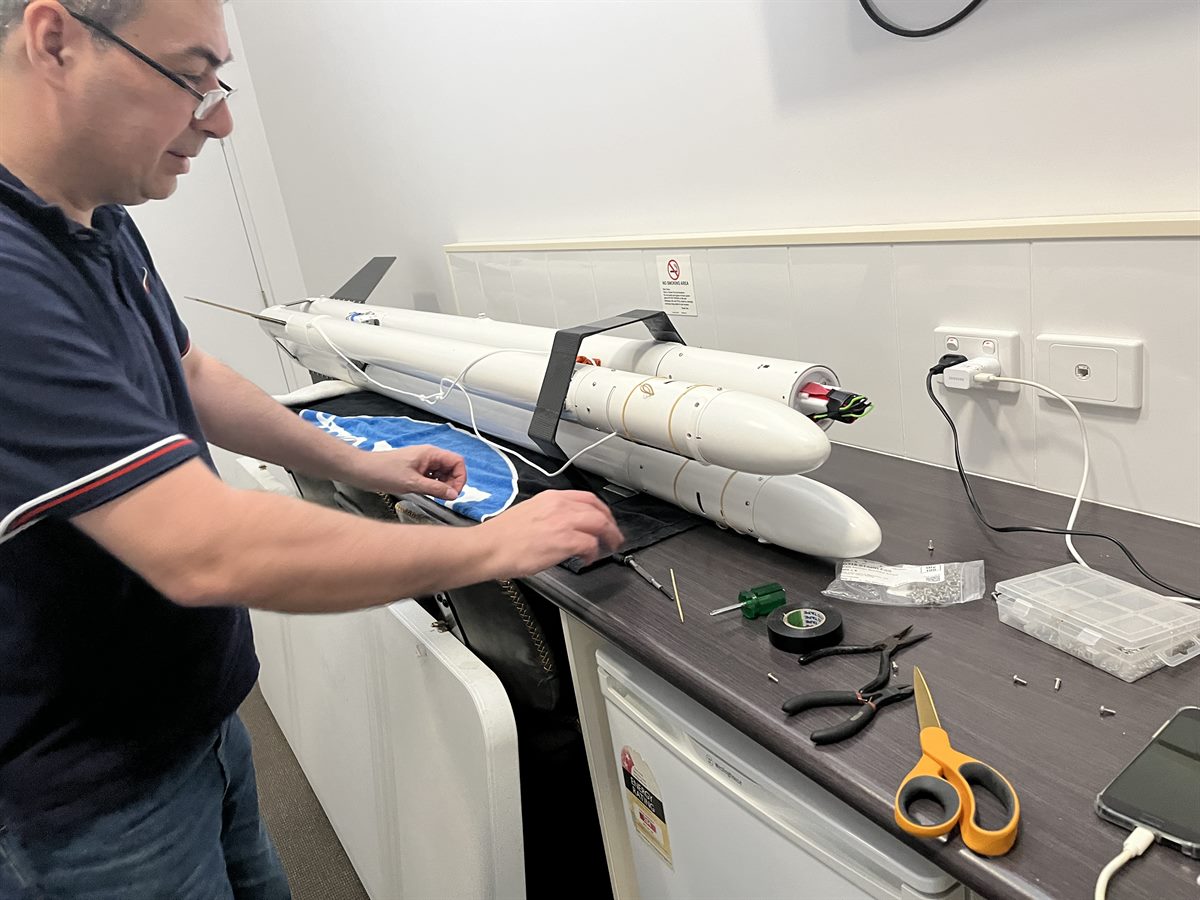
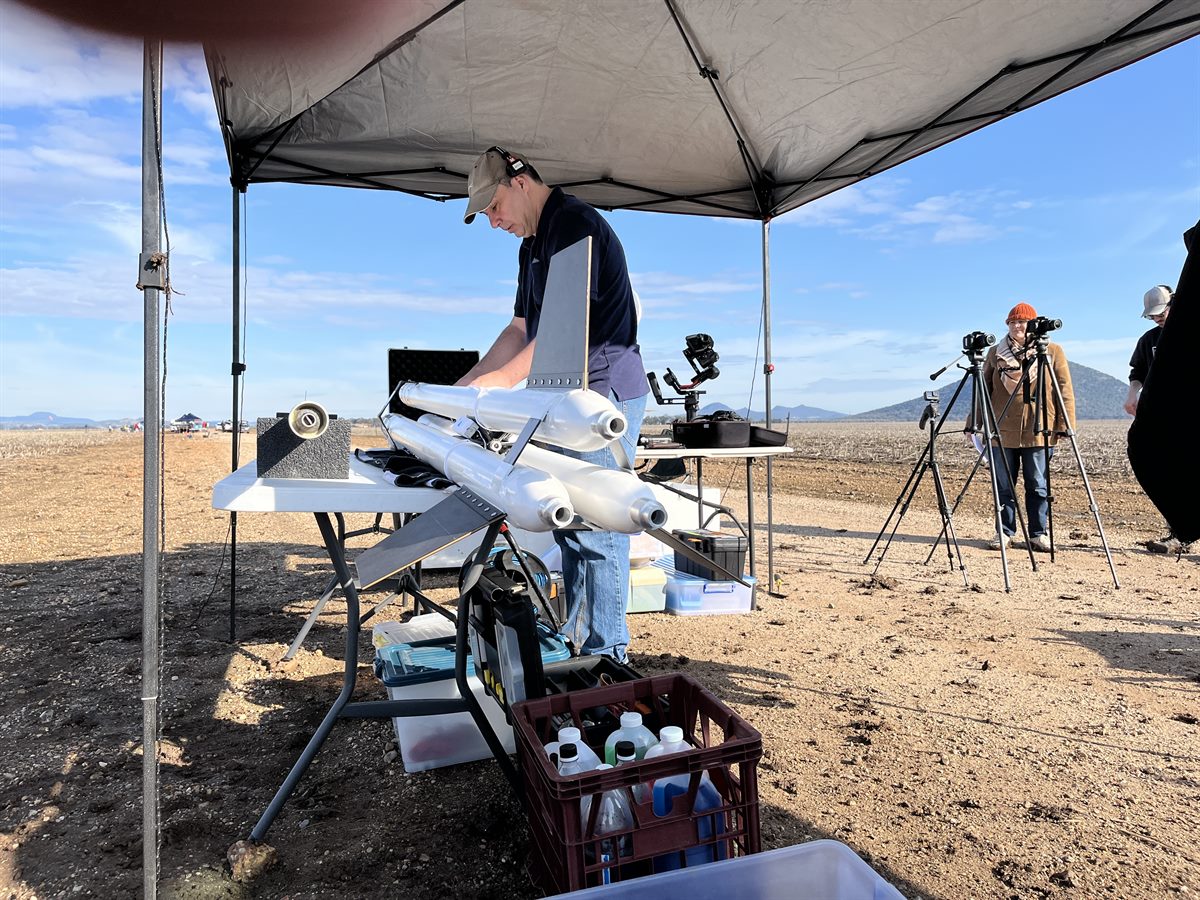
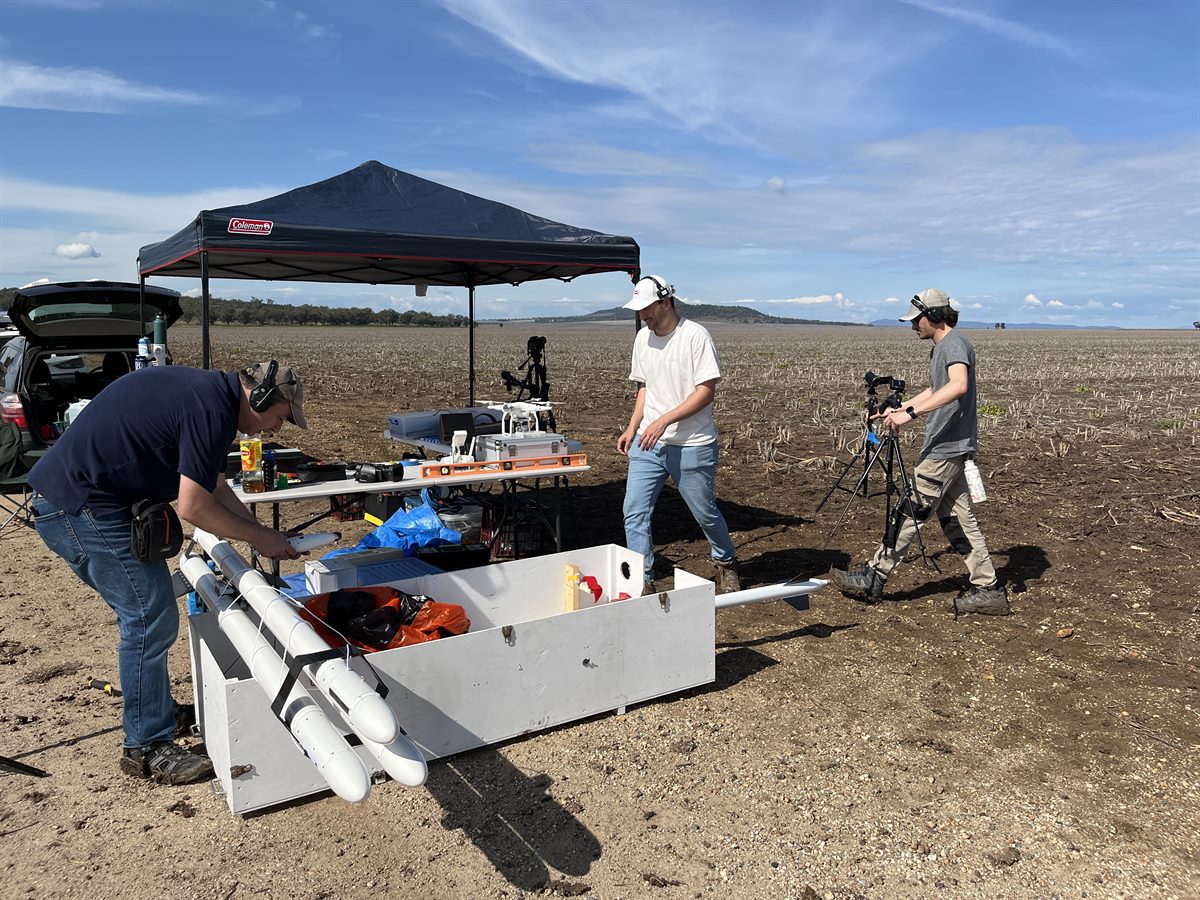
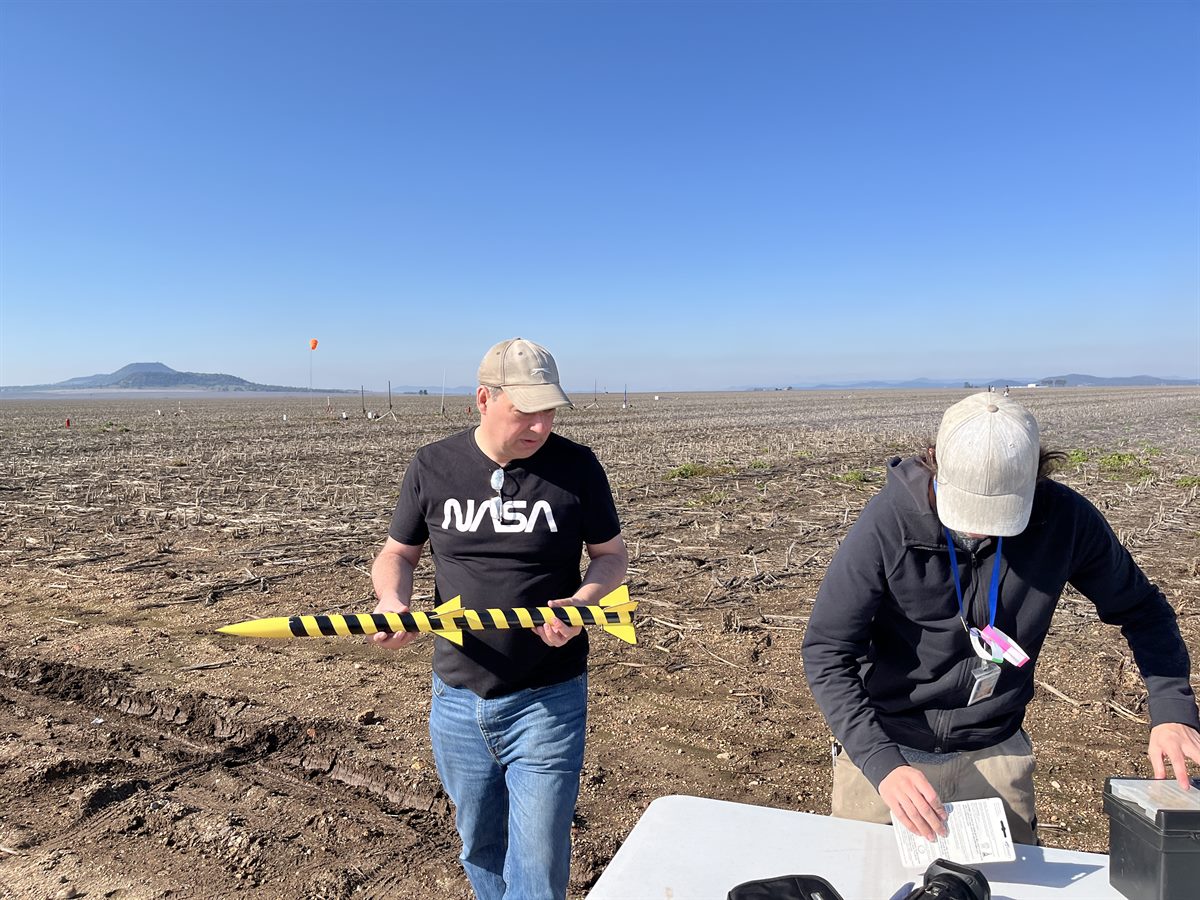
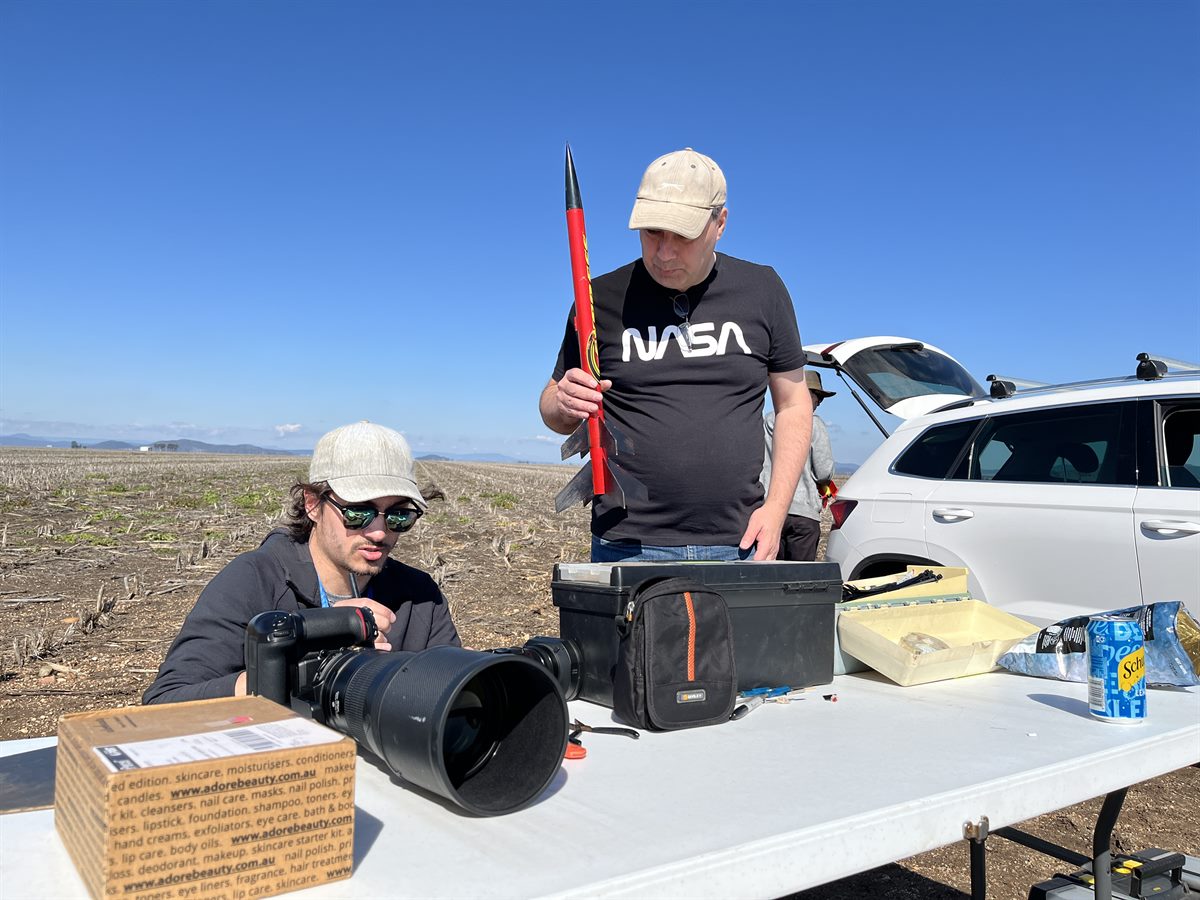
Then it was back to the hotel to prep the booster as much as possible, again to reduce time during the morning. We wanted to launch the rocket early when the winds are usually the calmest. Rocket prep probably took around 3 hours by the time we were done with everything. We didn't want to do this in Sydney as the booster was prepped for the long transport. The nosecones travelled to the hotel not mounted on the rocket, but were in a padded box. This was also the very first time the entire rocket with parachute harnesses was put together. Overall it came together quite well. We also prepared all the booster water into separate bottles and mixed in food colouring. We prepared two sets of water bottles just in case we needed to abort and refill the rocket.
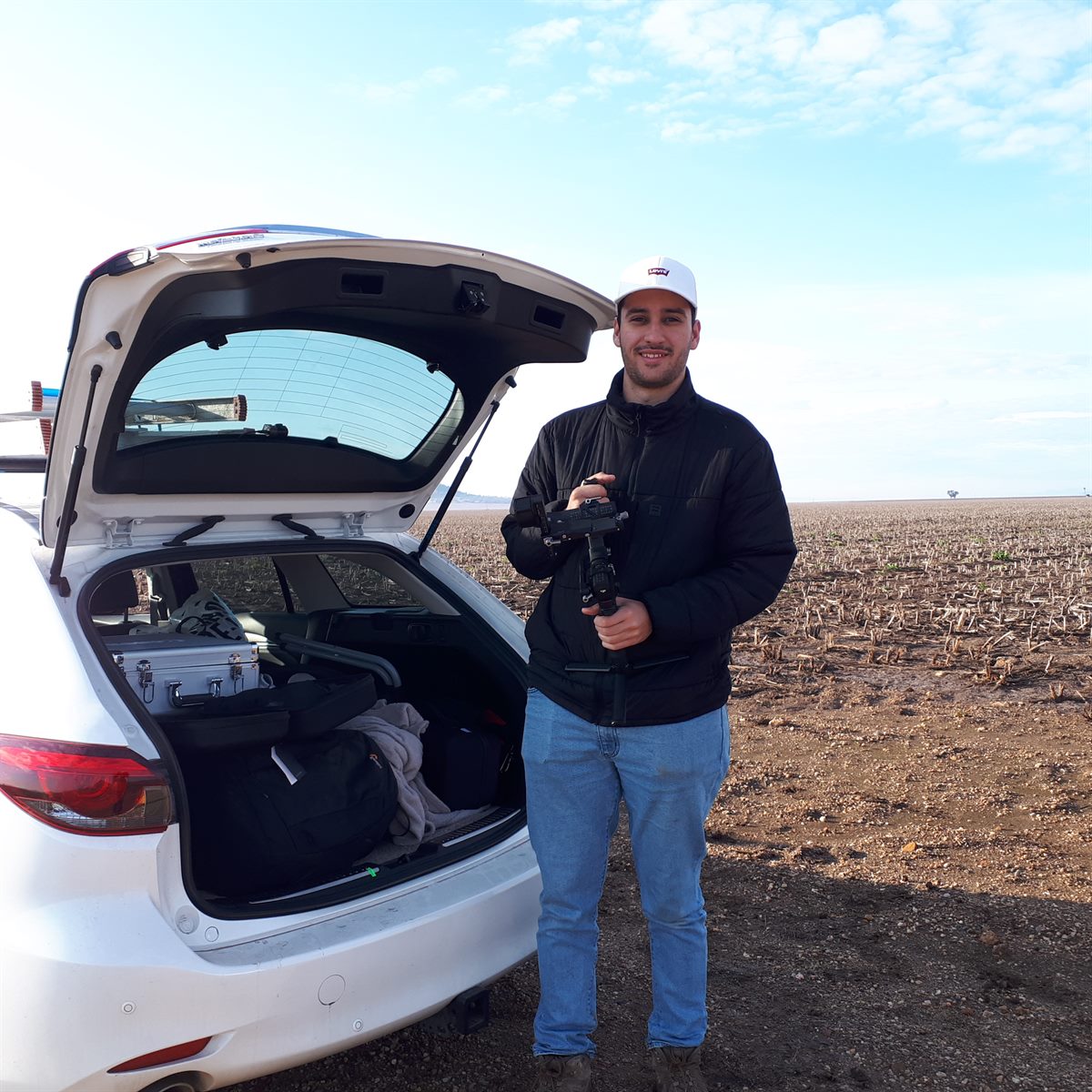
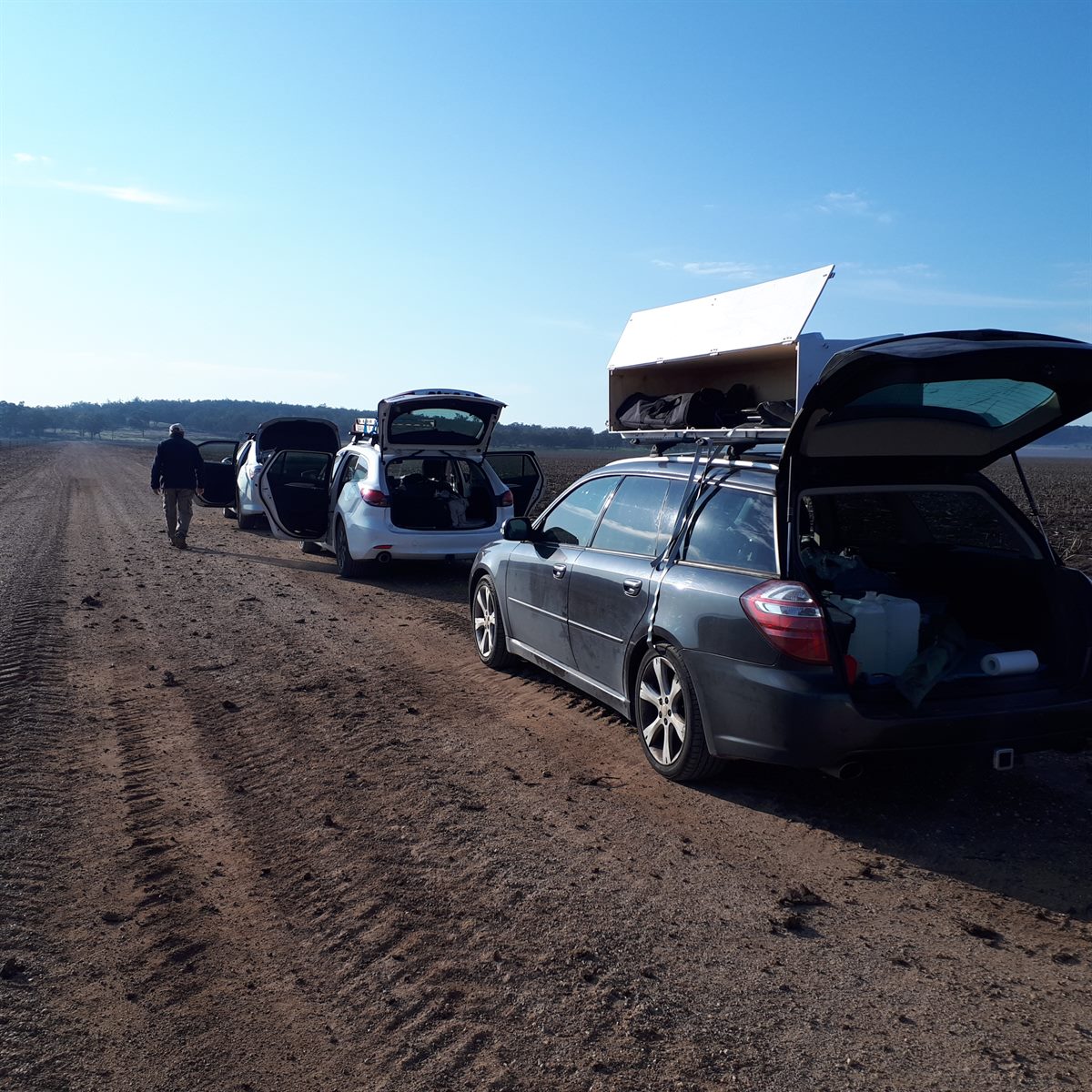
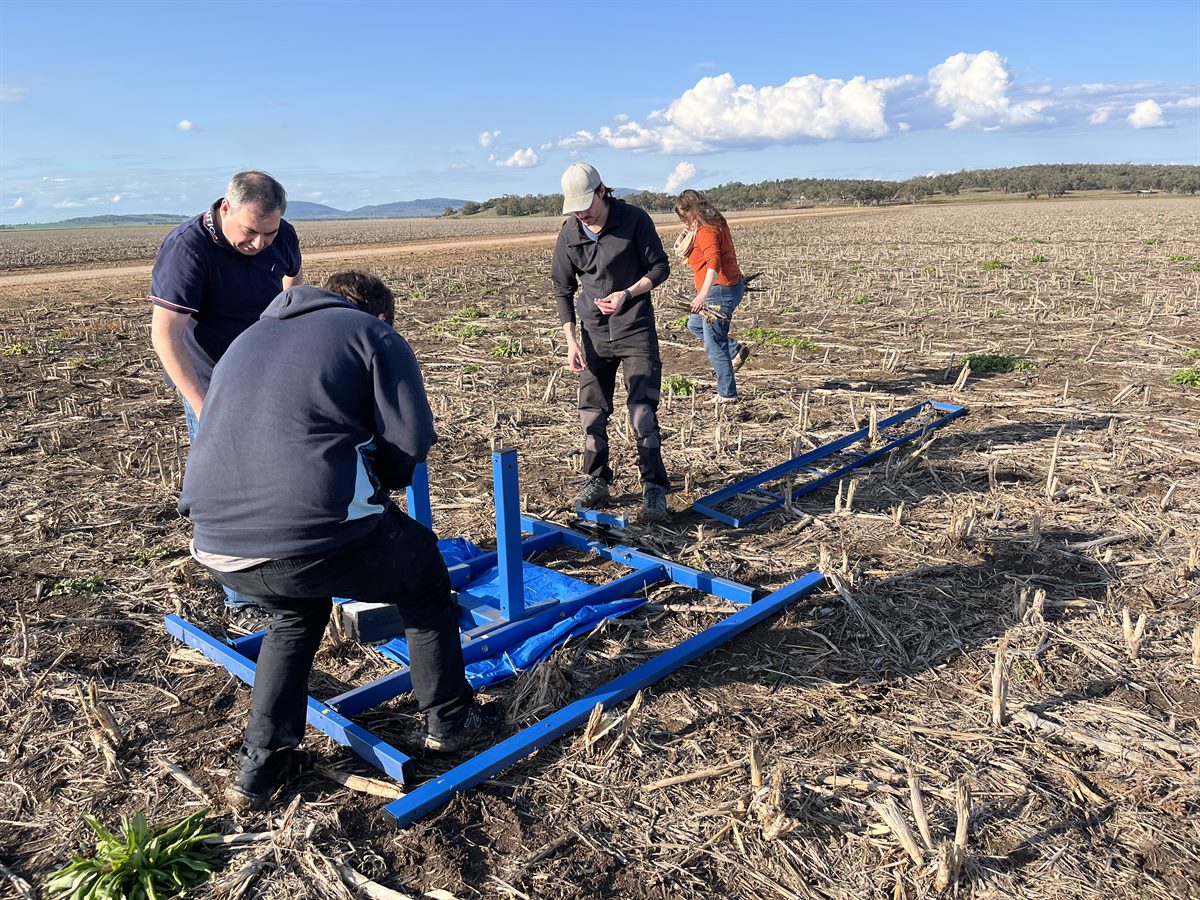
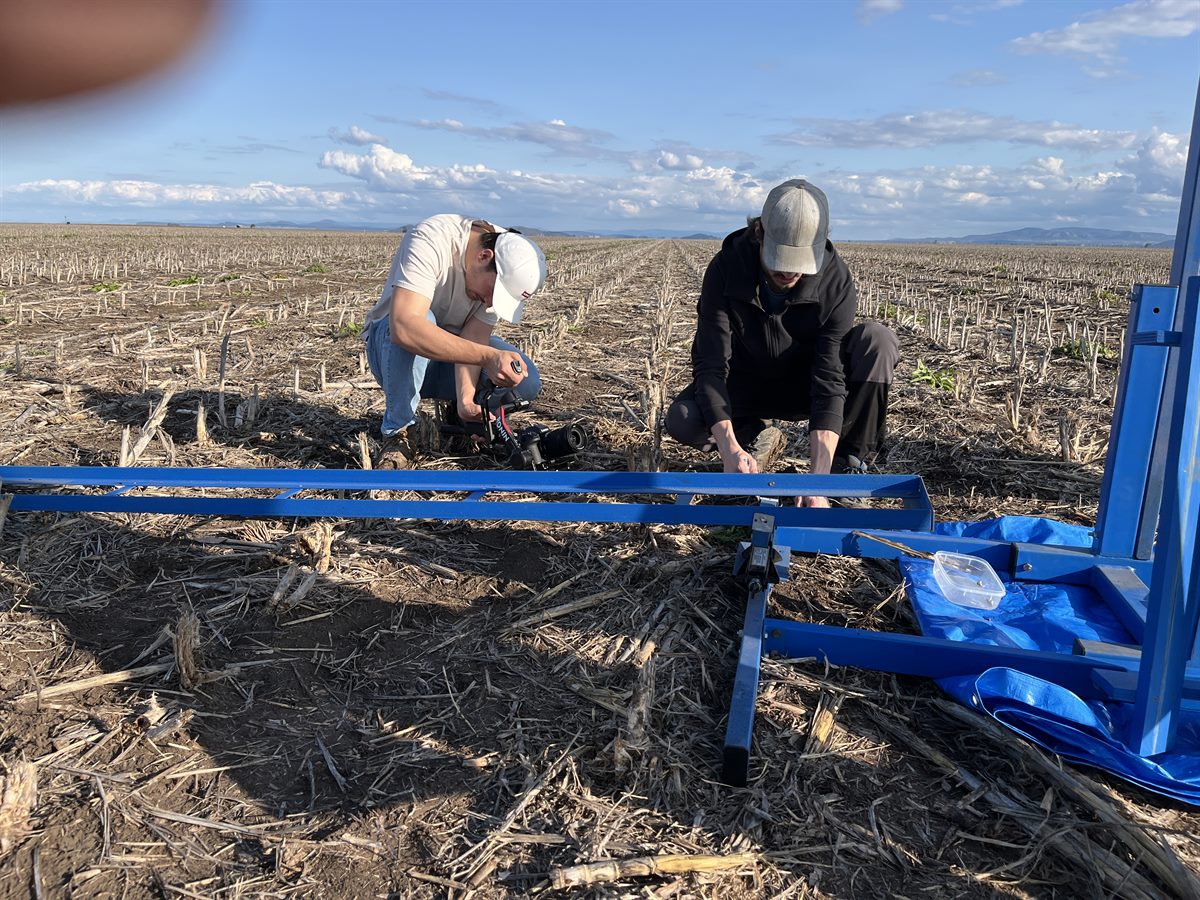
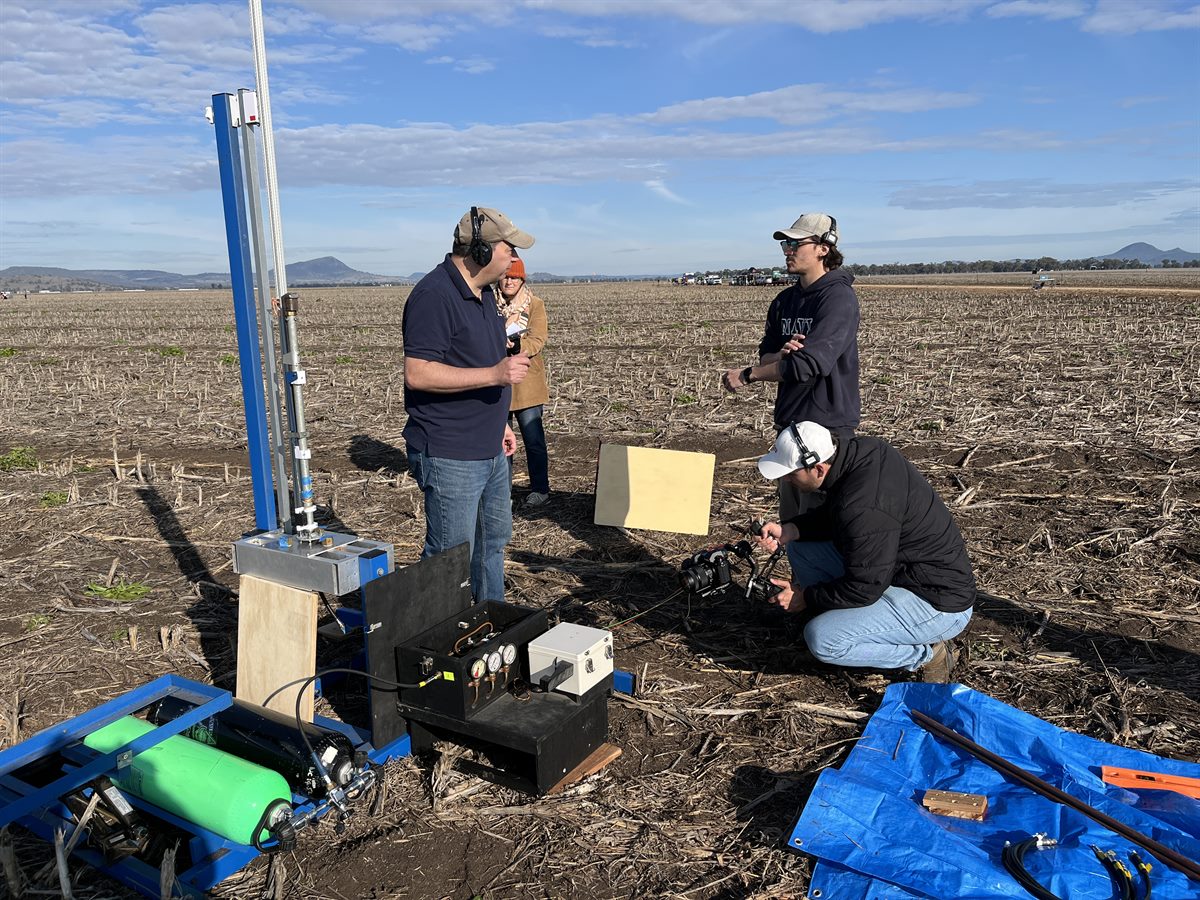
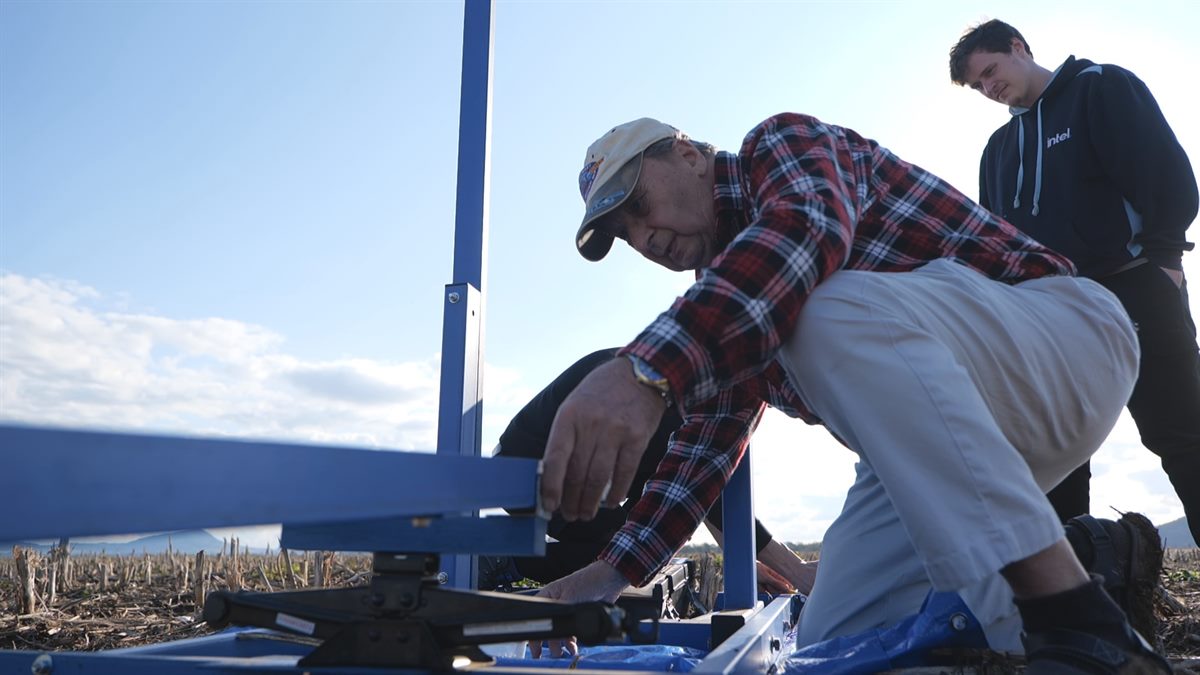
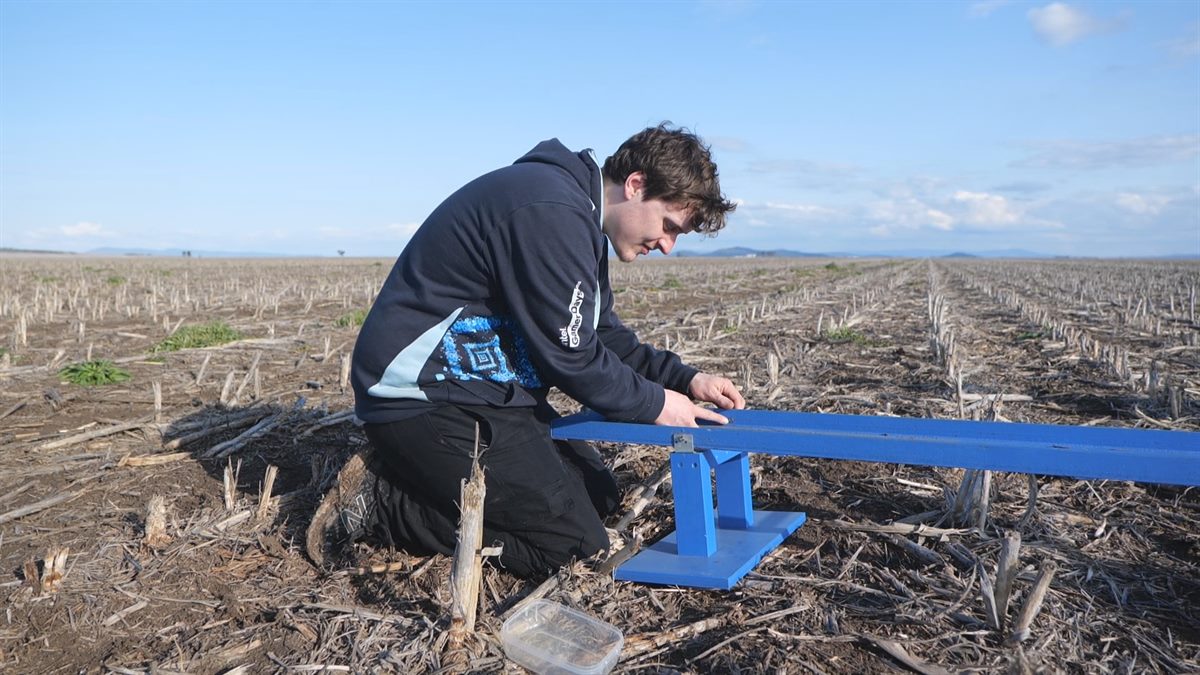
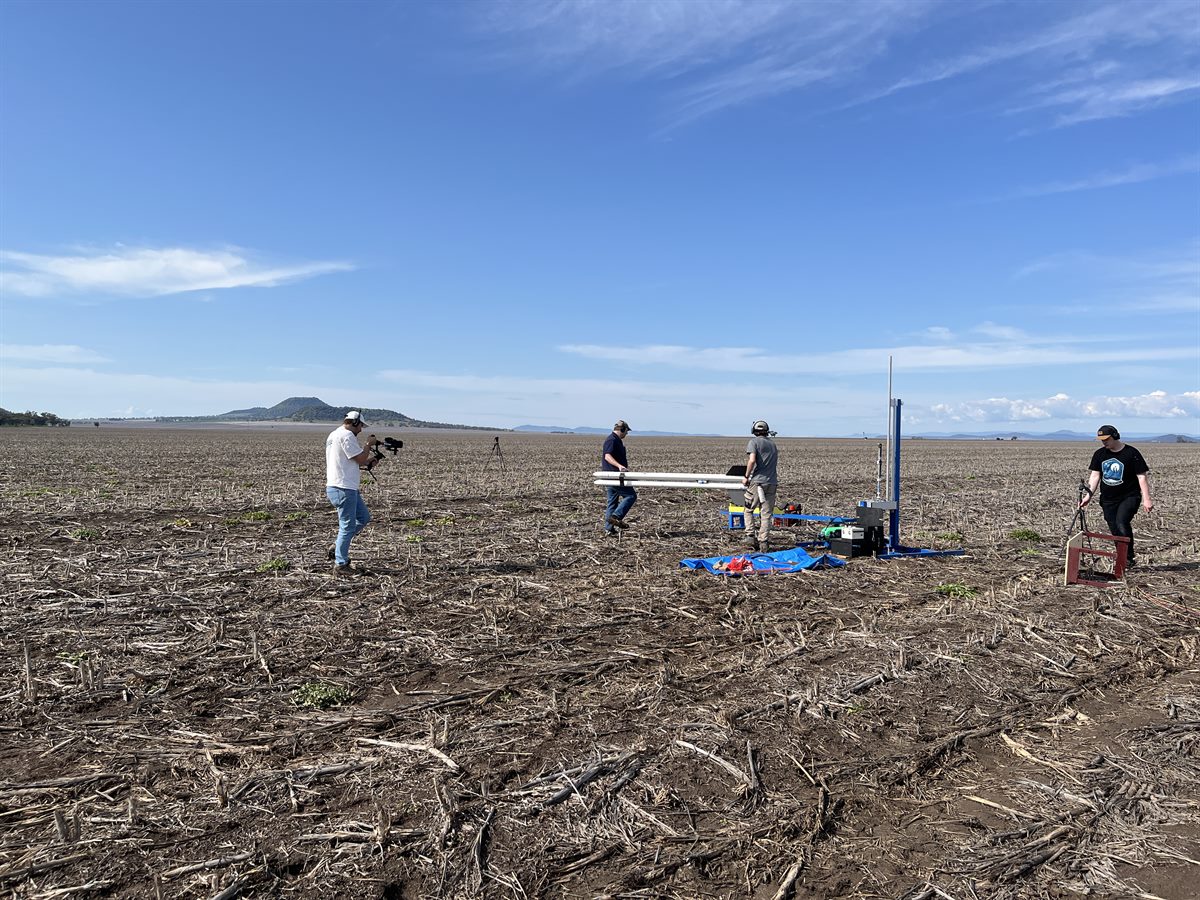
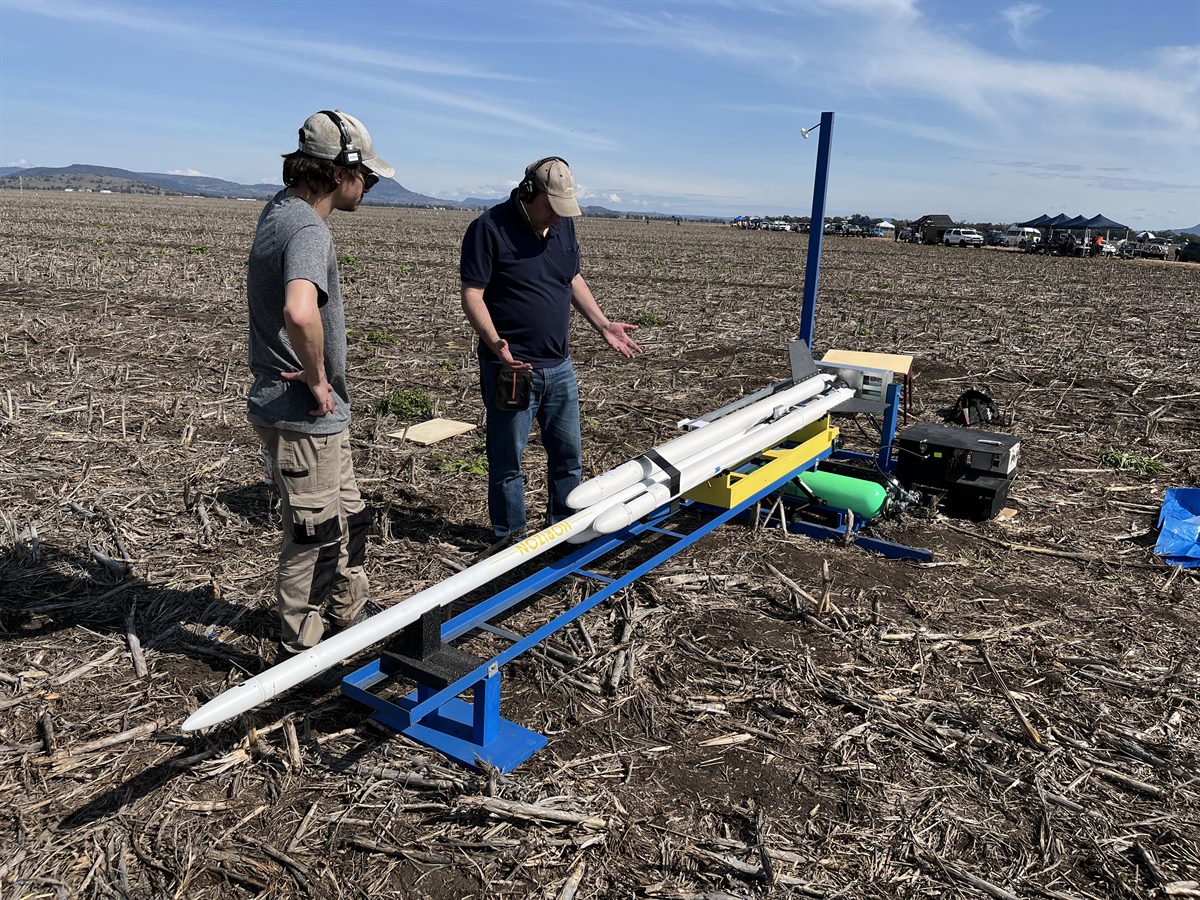
We got up early and drove to the launch site. When we got there, we had a look where the launch platform was relative to all the other launch pads, and decided to move it another 50 meters further from everyone. That didn't take too long as we could just pick up the entire platform and carry it already assembled.
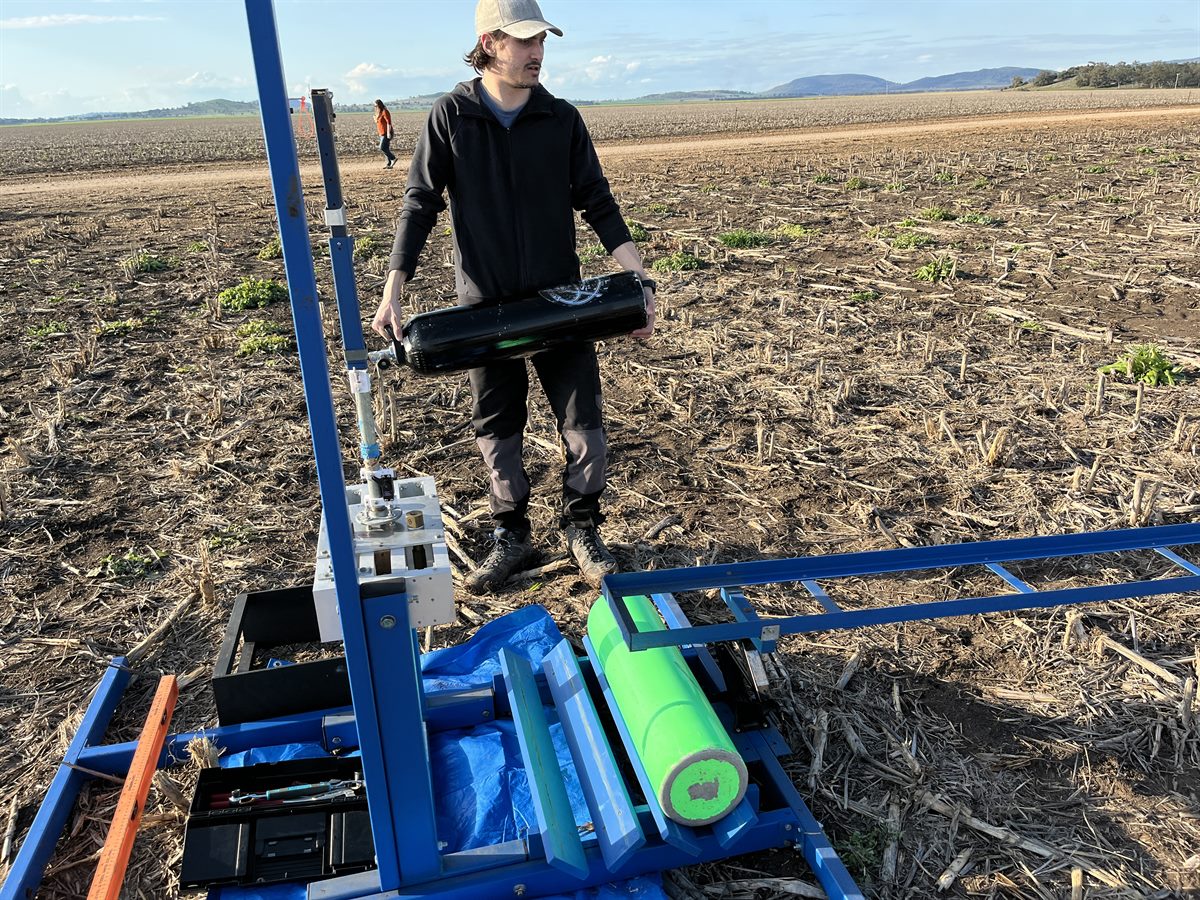
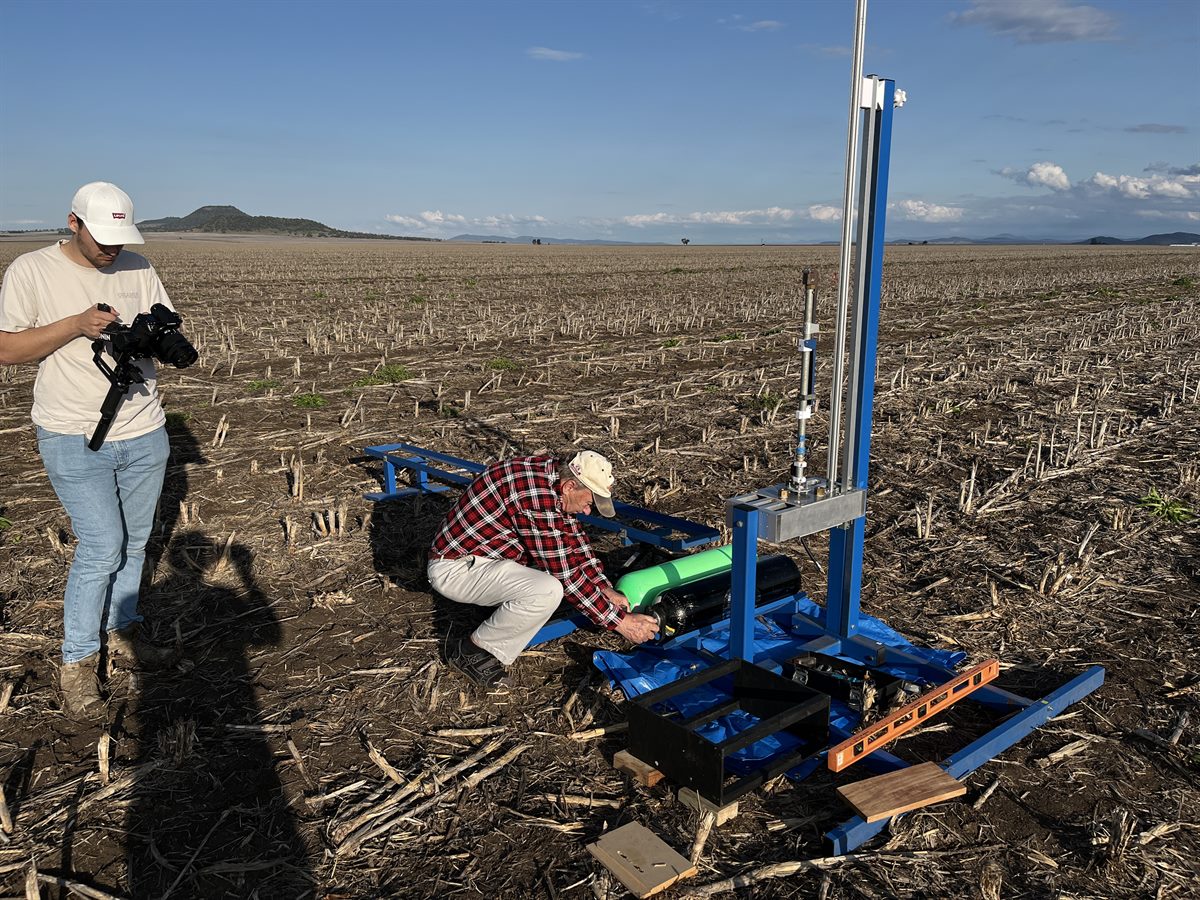
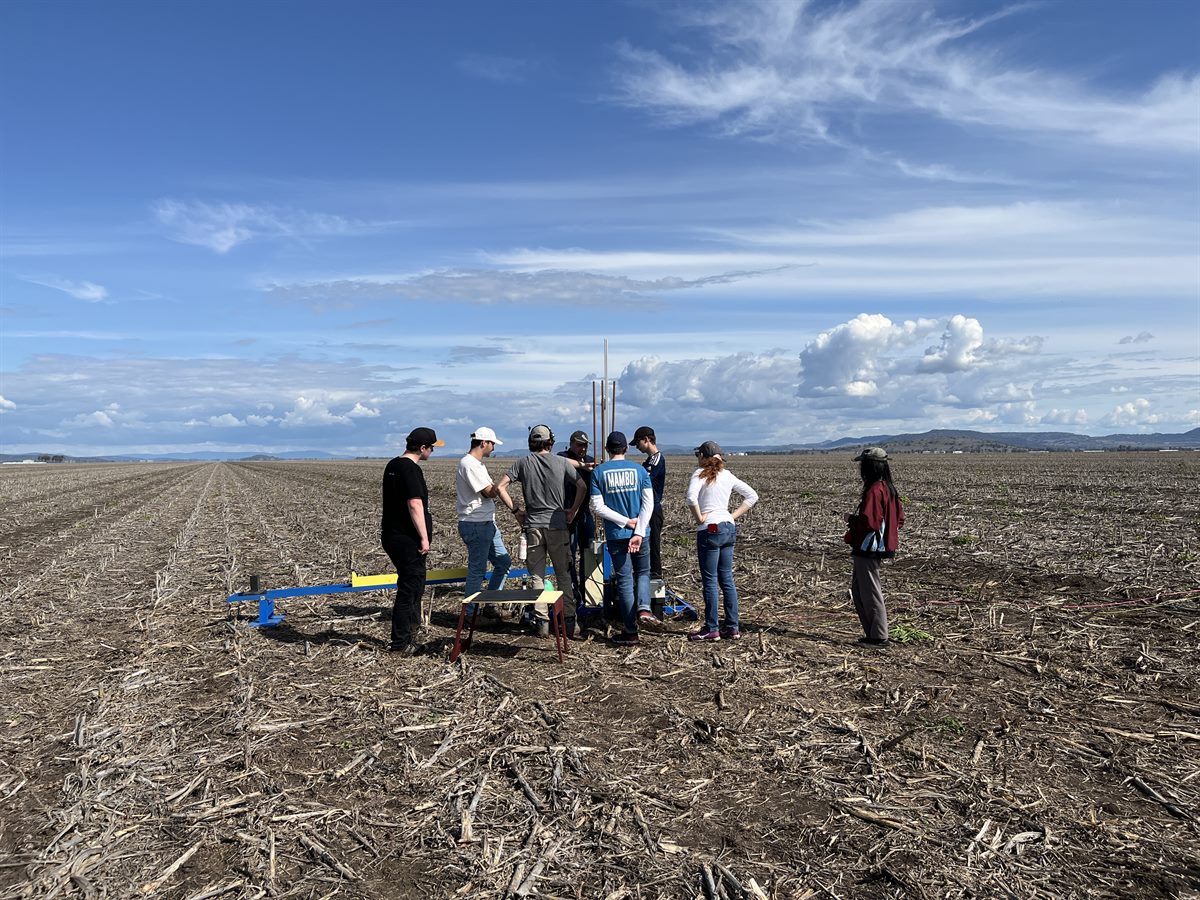
We then continued to get the launcher ready. Everything went fairly smoothly when setting it up.
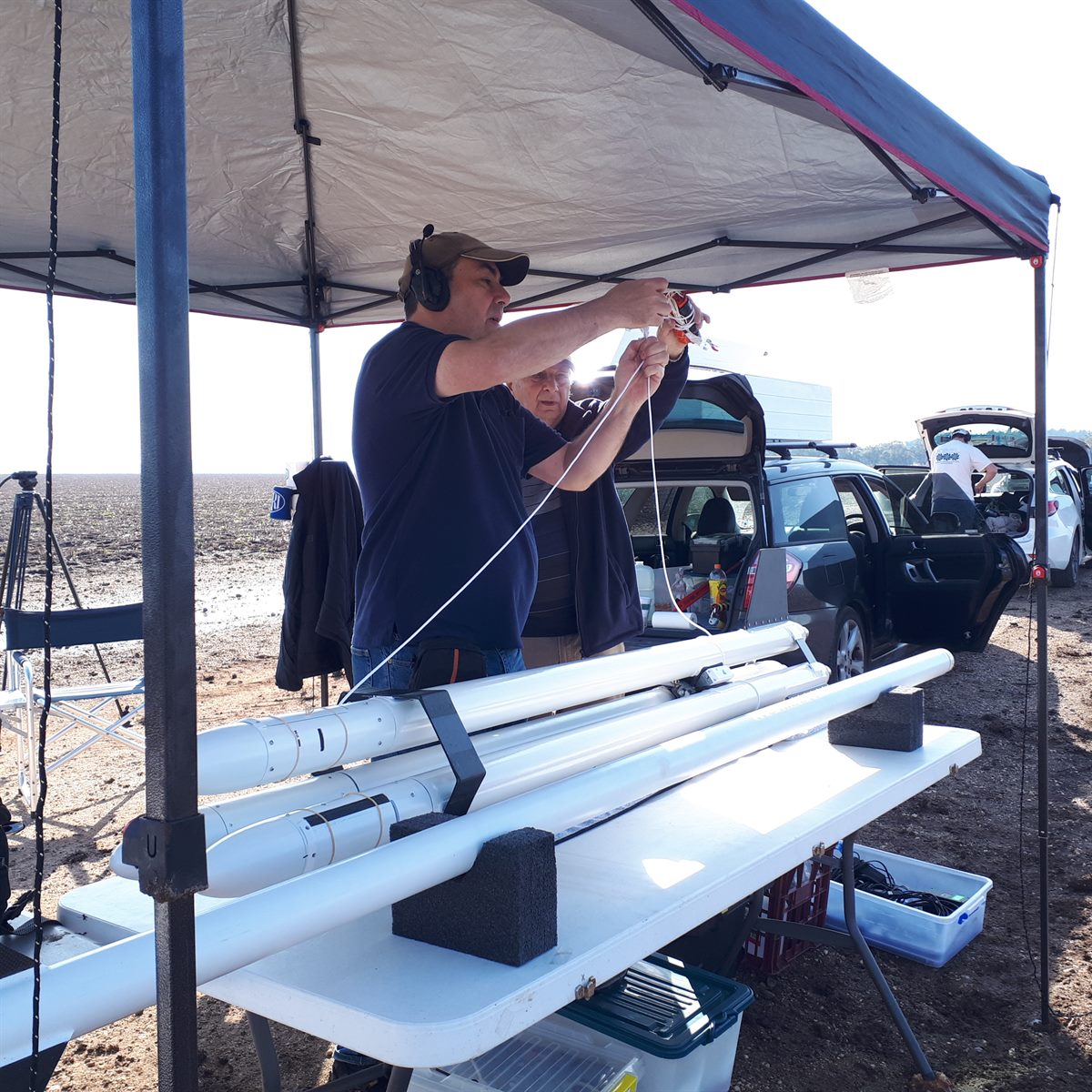
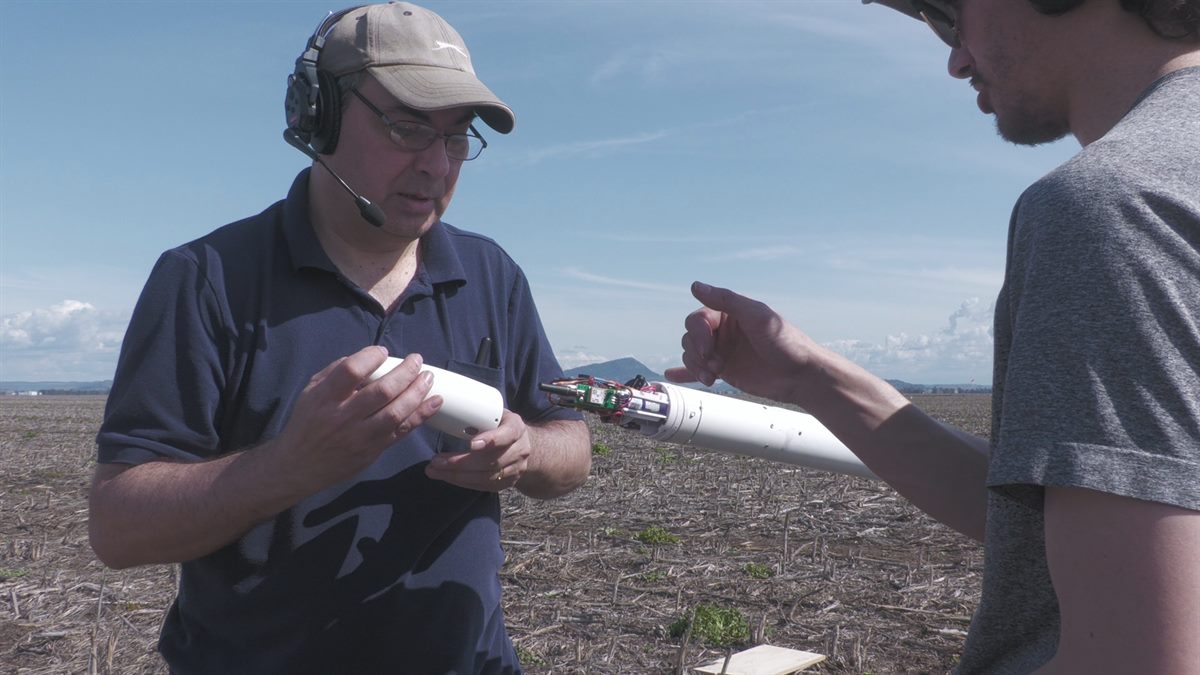
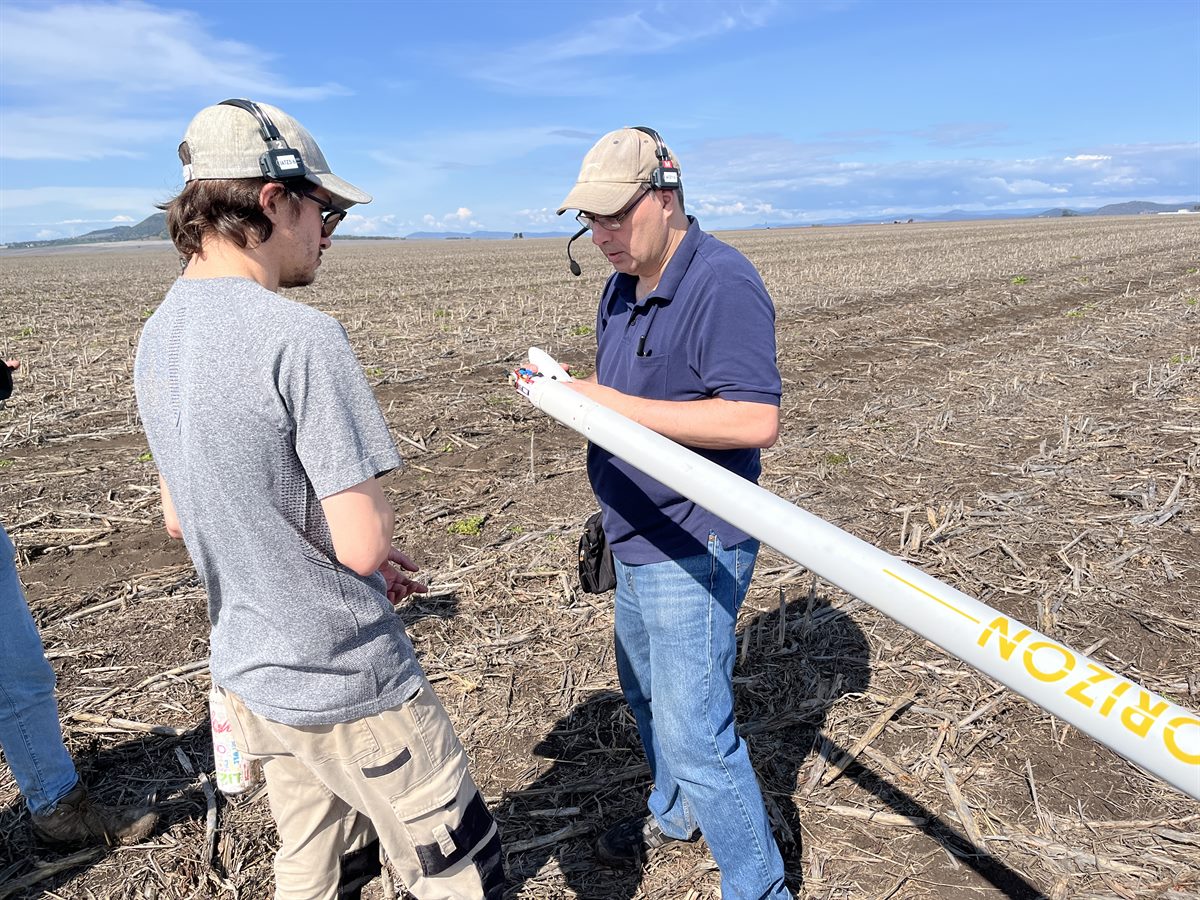
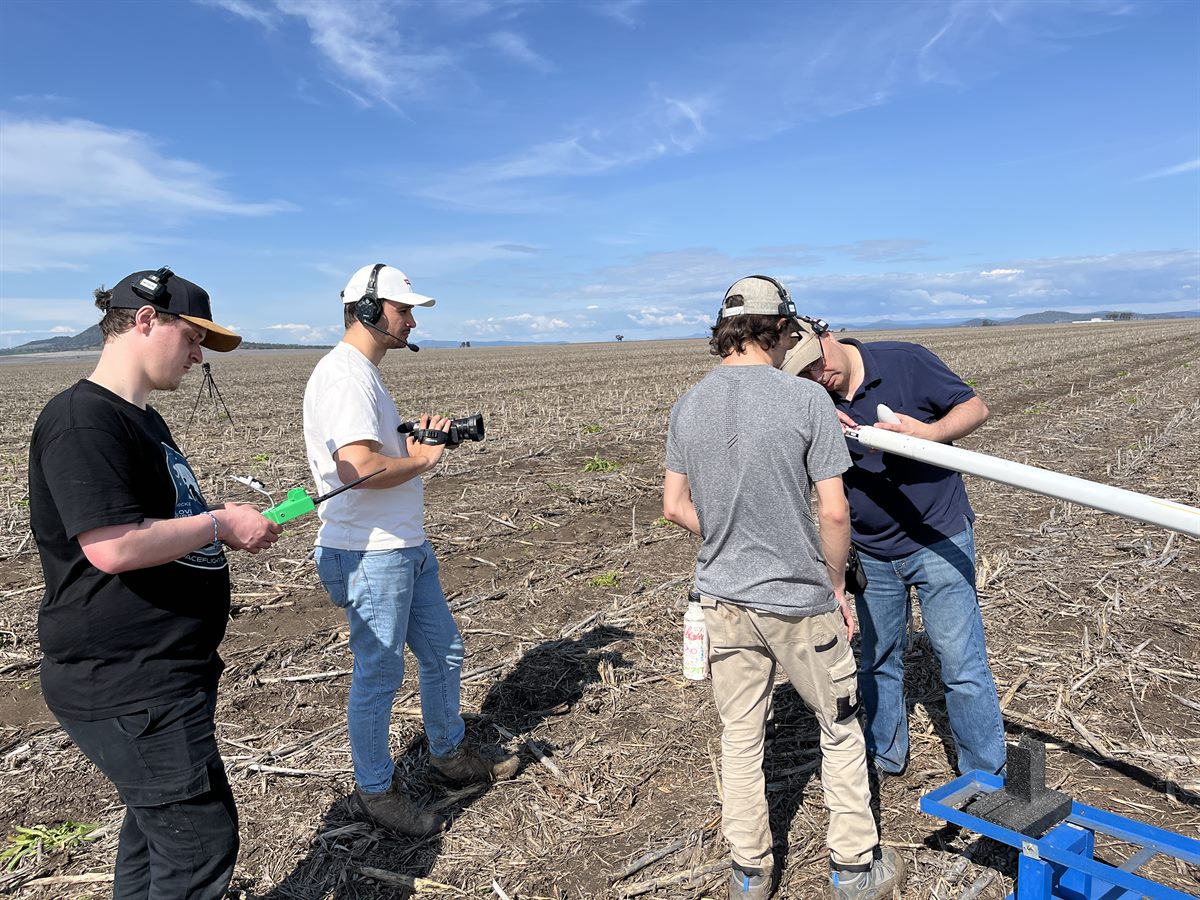
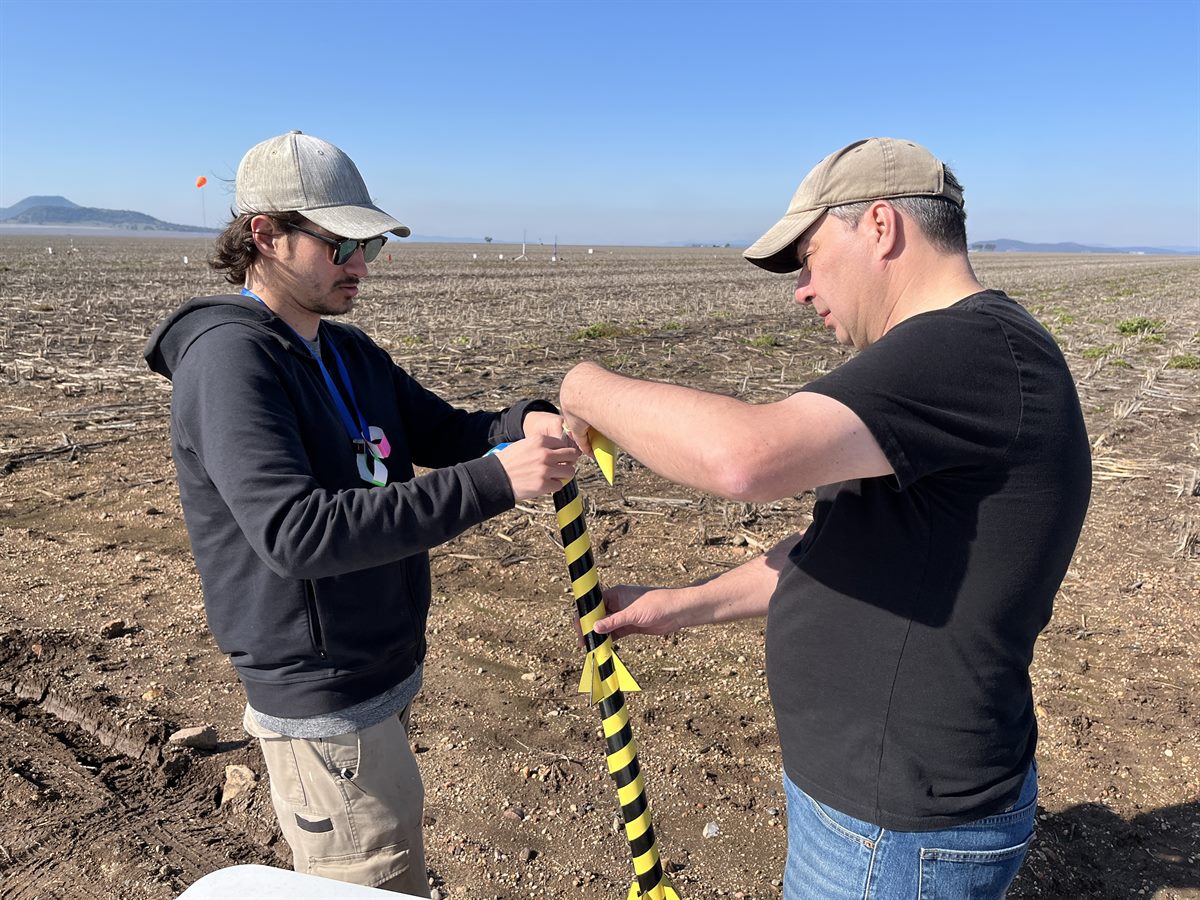
Rocket prep also went fairly smoothly. The one thing that was left to do was to attach the harnesses properly once the booster was fully assembled. As we were going to bring the booster down side ways we wanted to make sure that it was slightly tail heavy under parachute so that the lift generated by the fins on the way down would then lift it up.
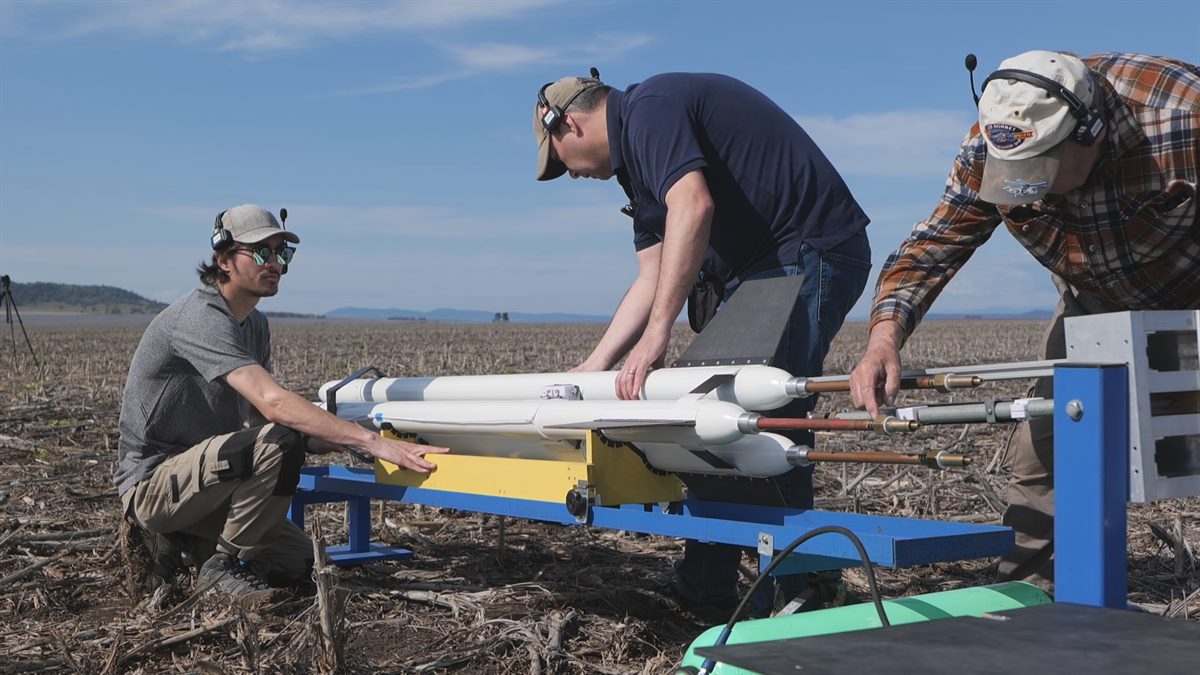
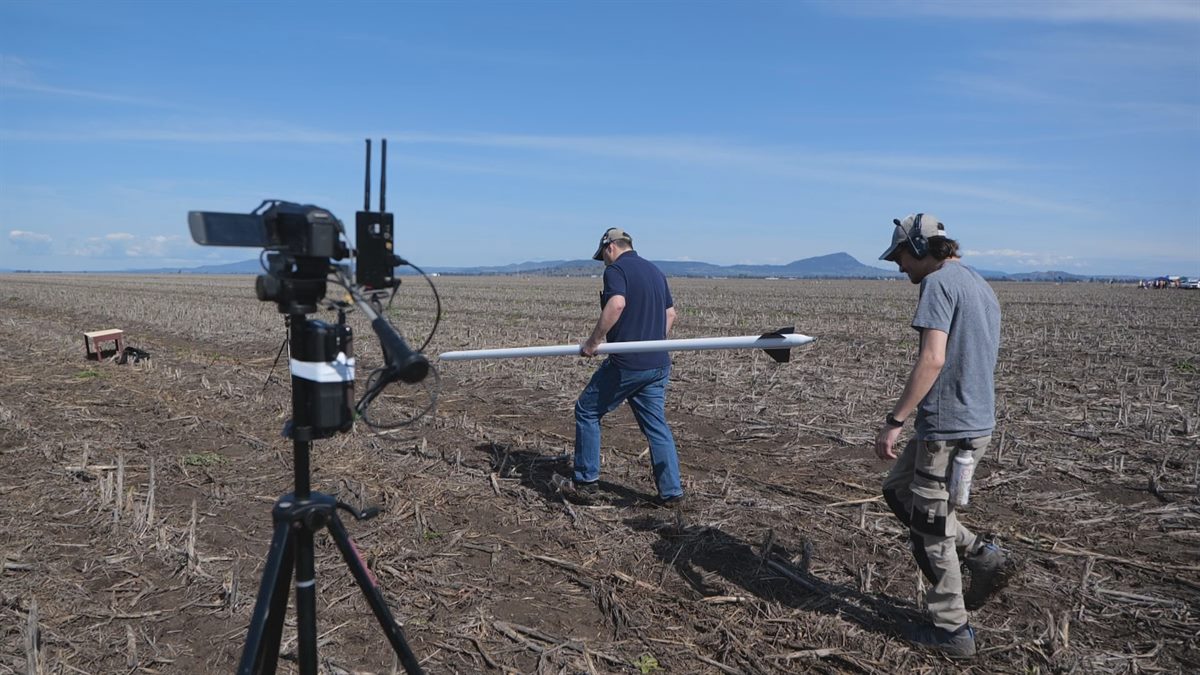
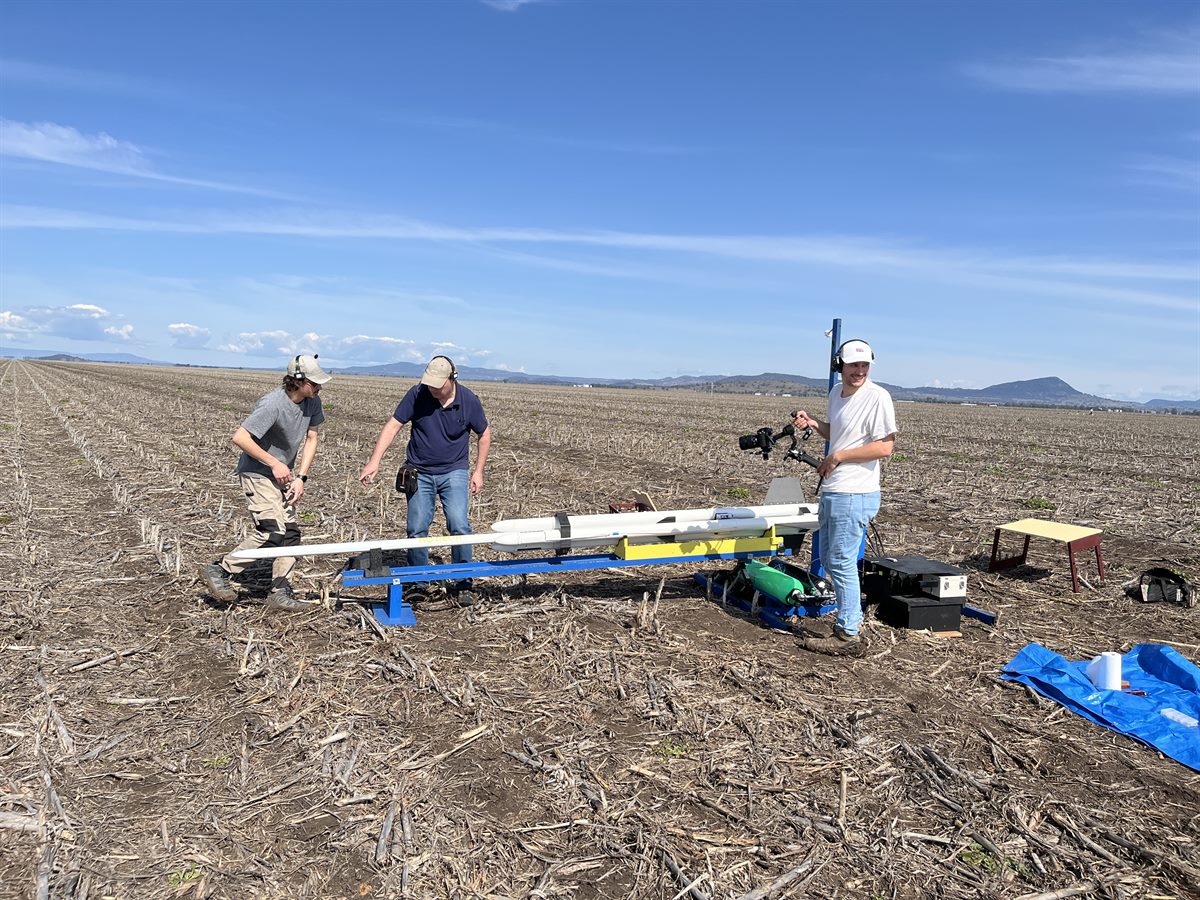
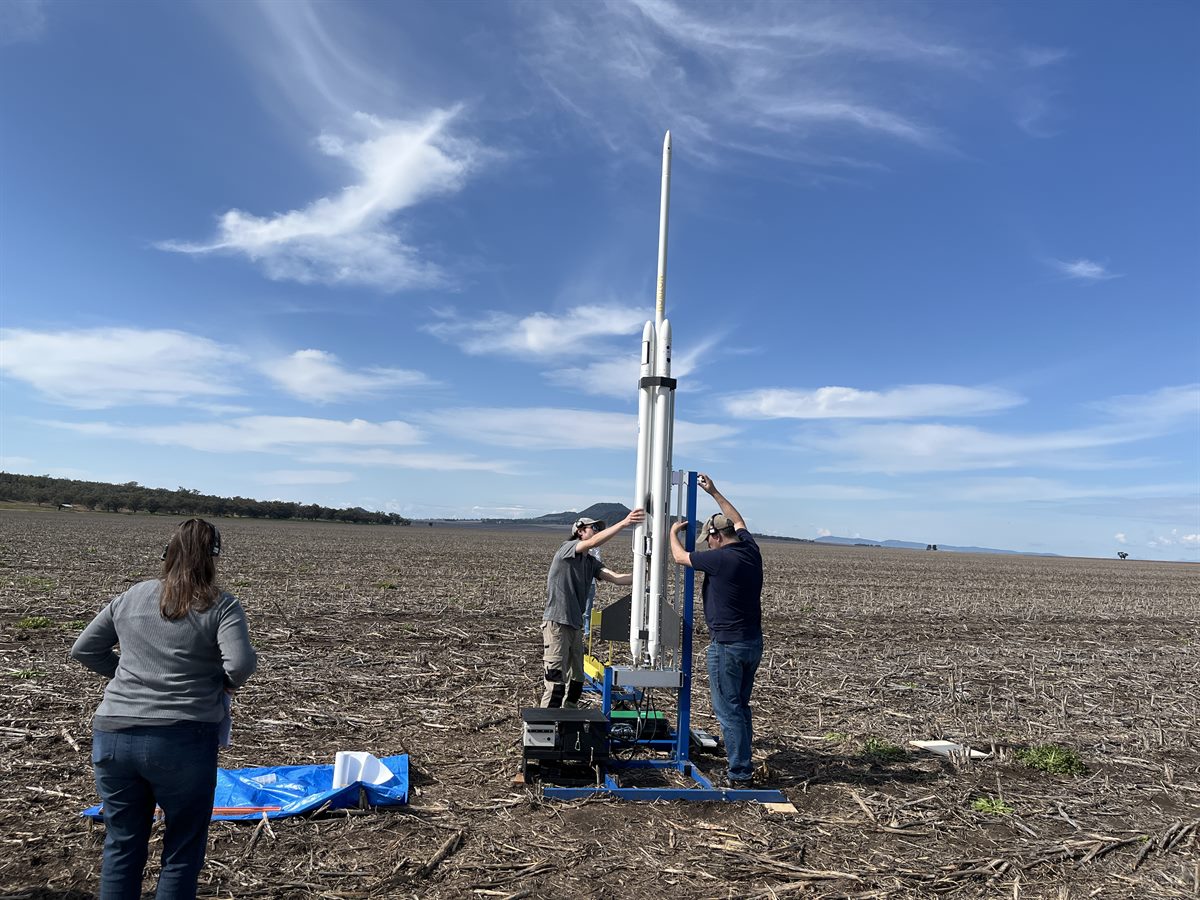
We loaded the rocket onto the pad and thanks to the practice we had with it at home, it locked onto the launcher fairly easily. This was one of the things I was worried about as it had always been a little tricky.
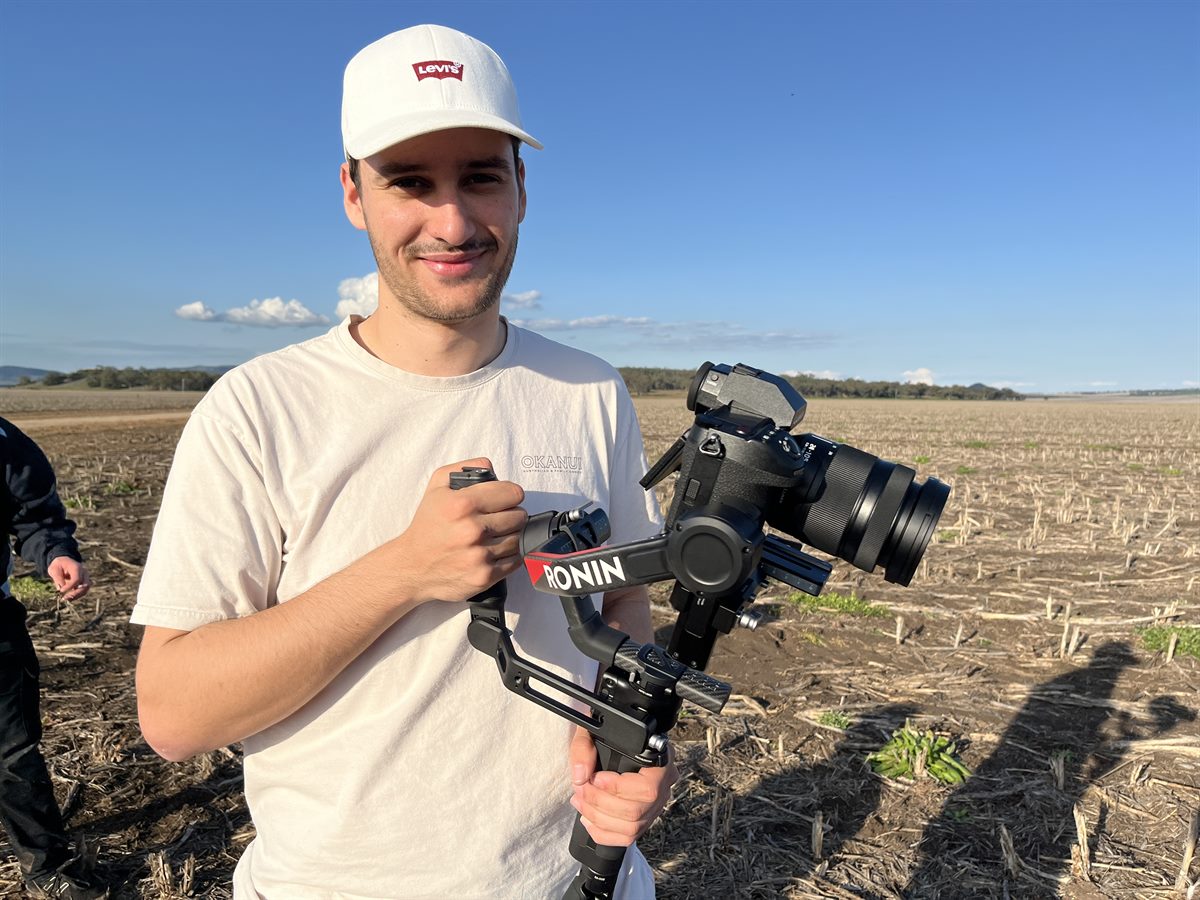
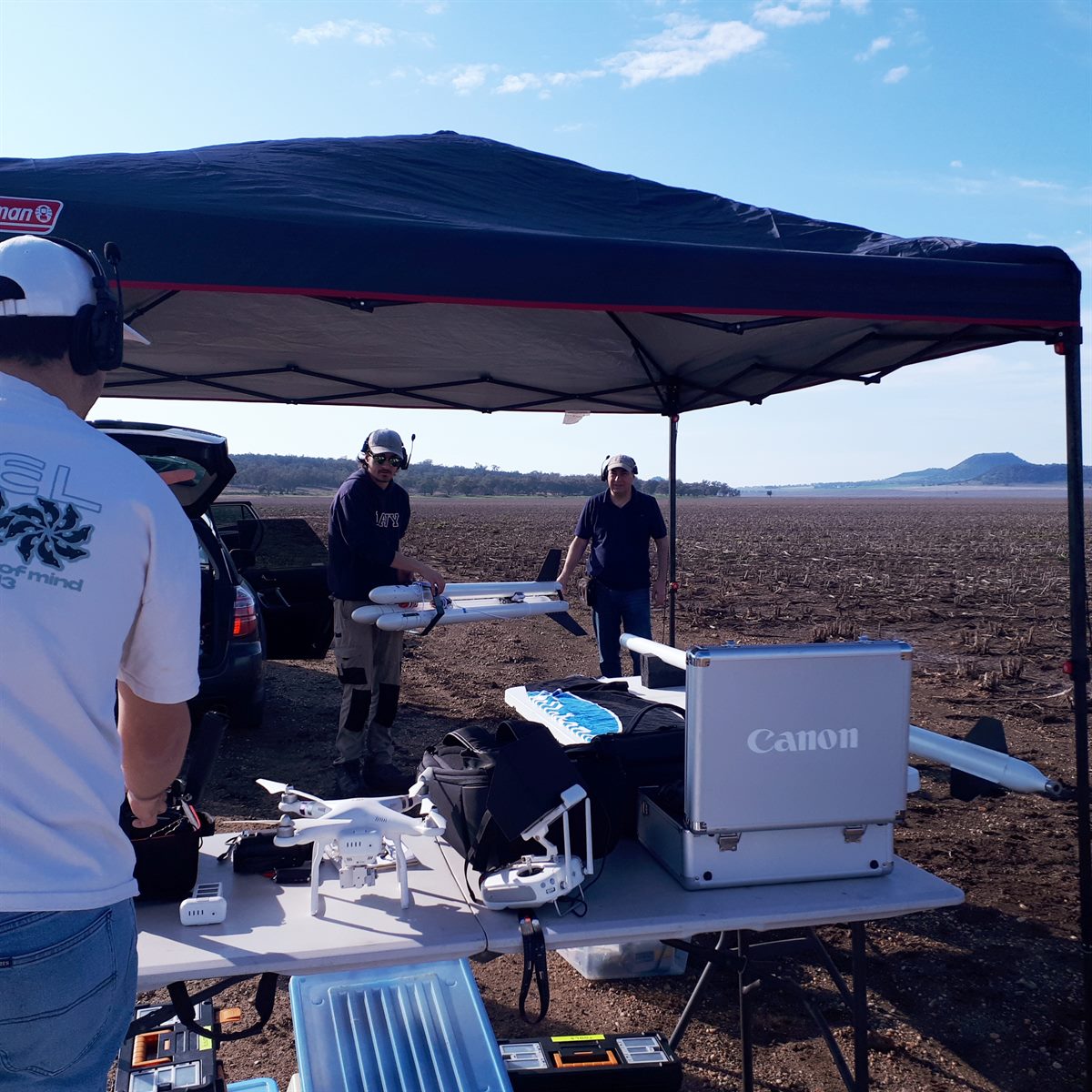
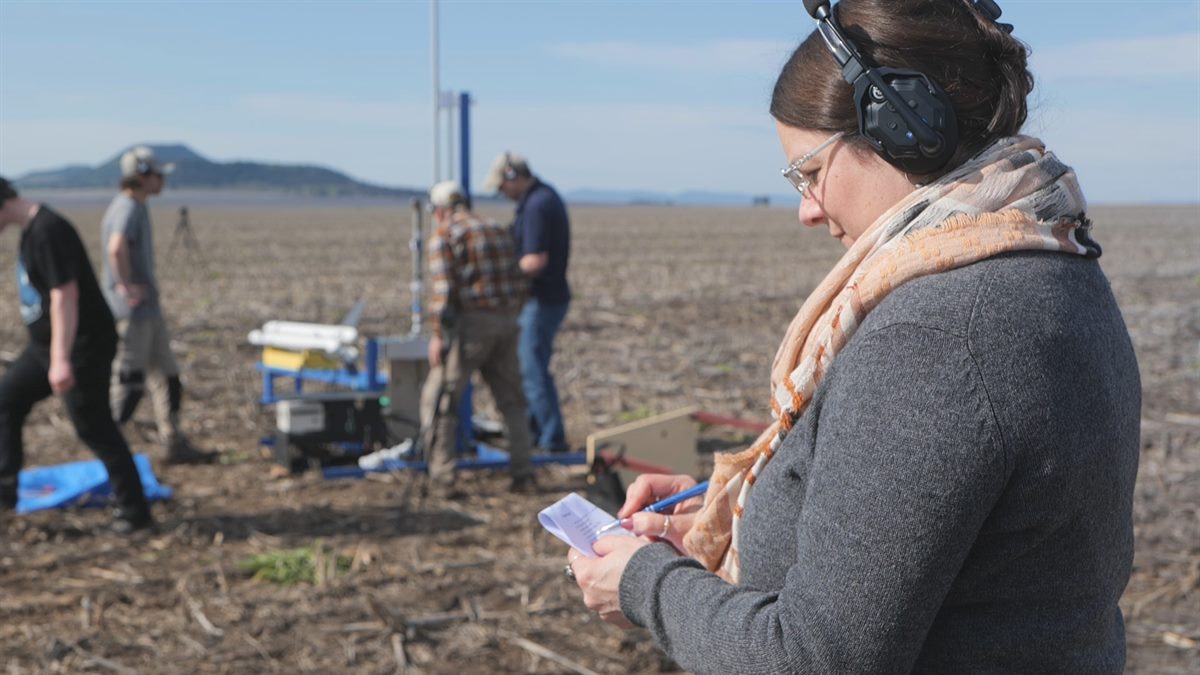
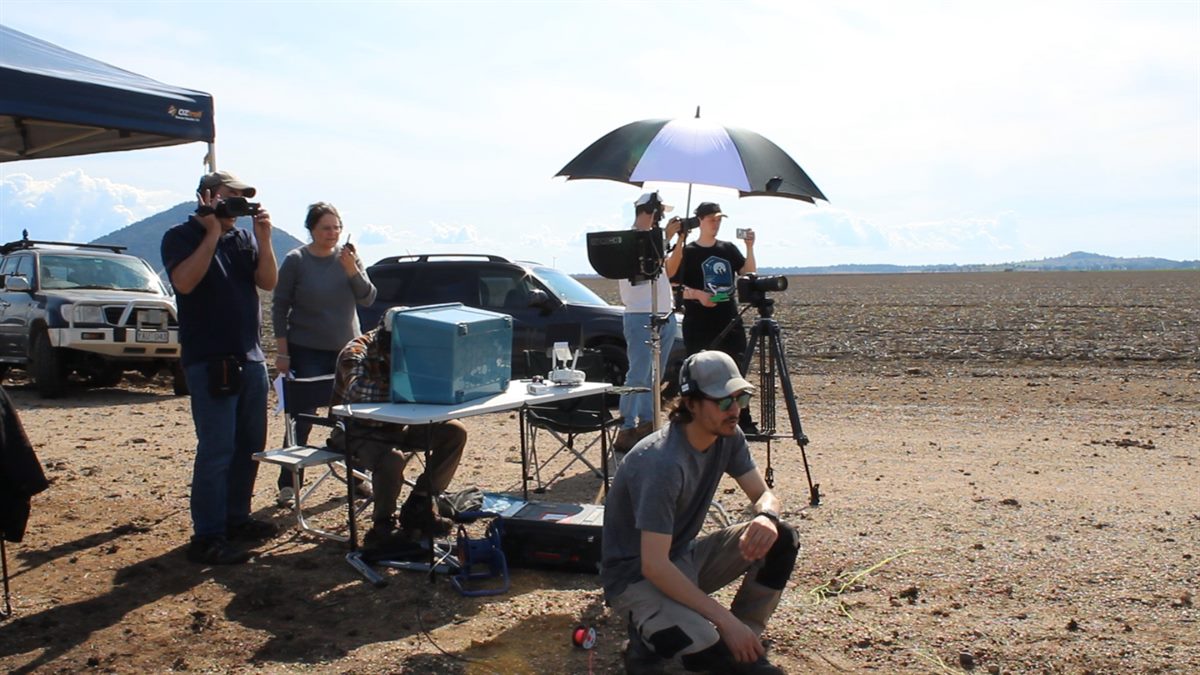
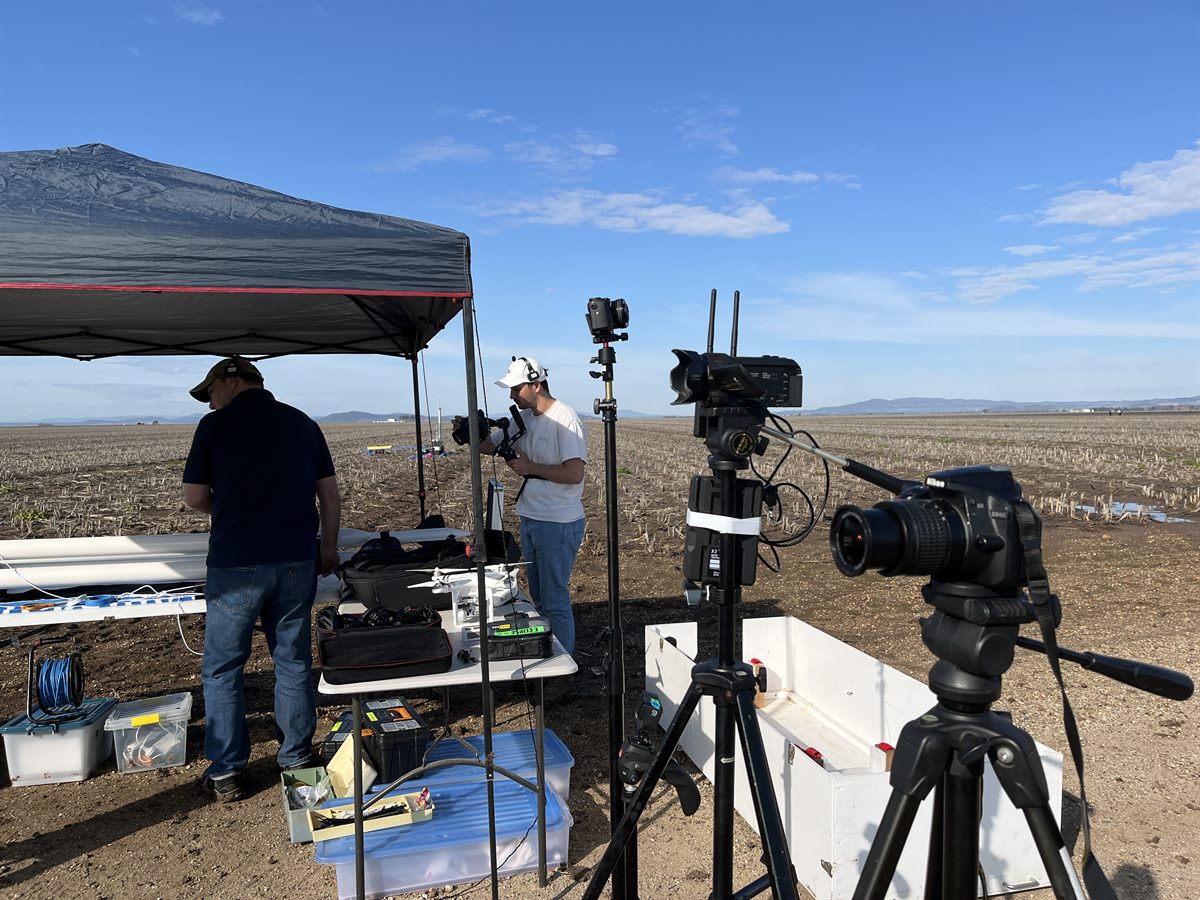
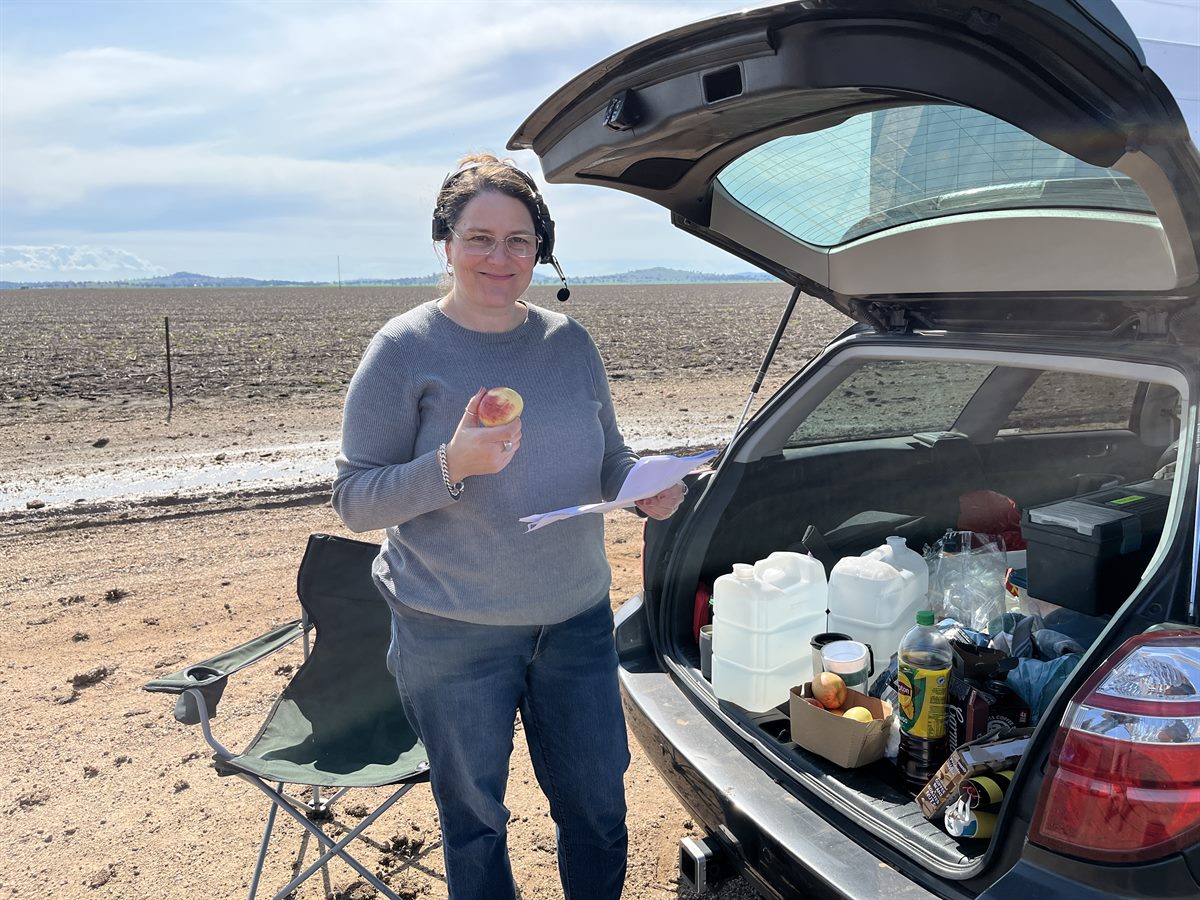
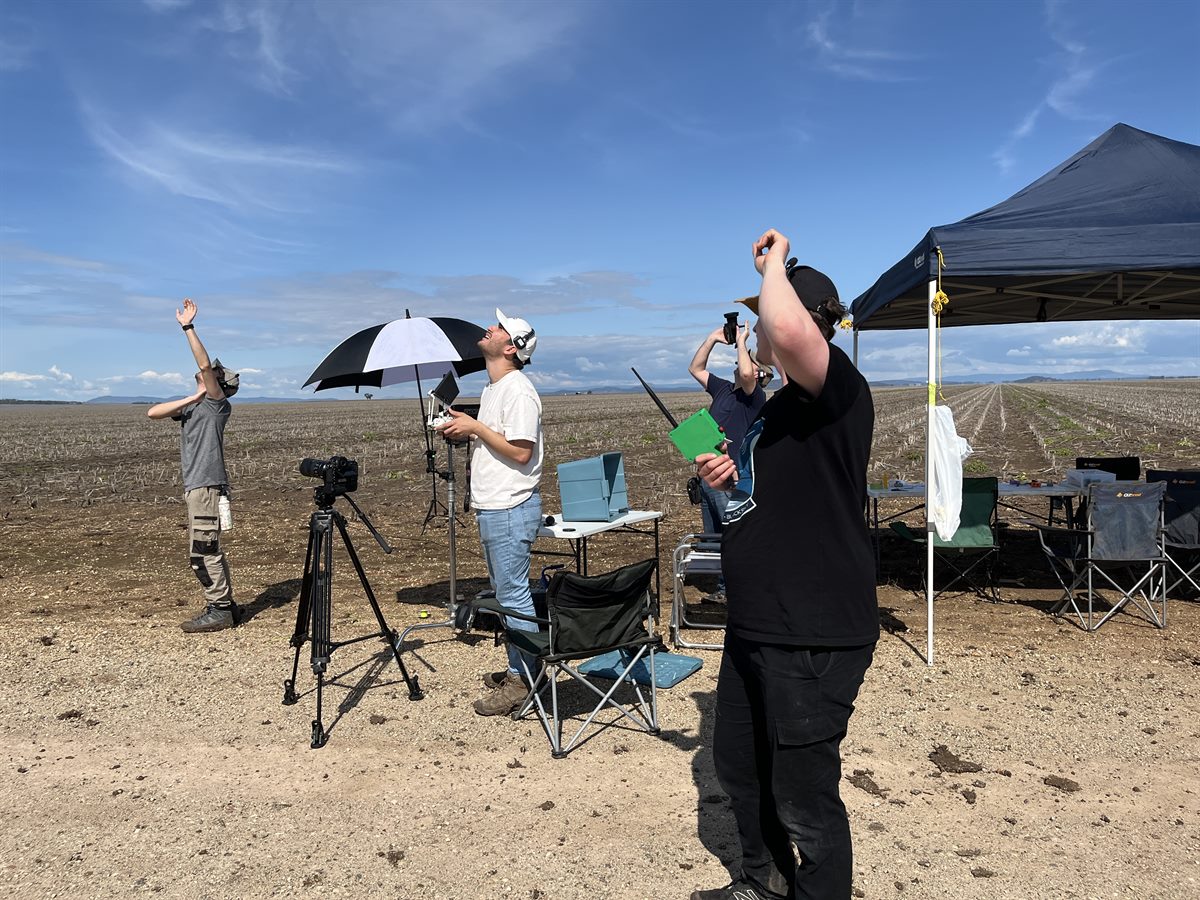
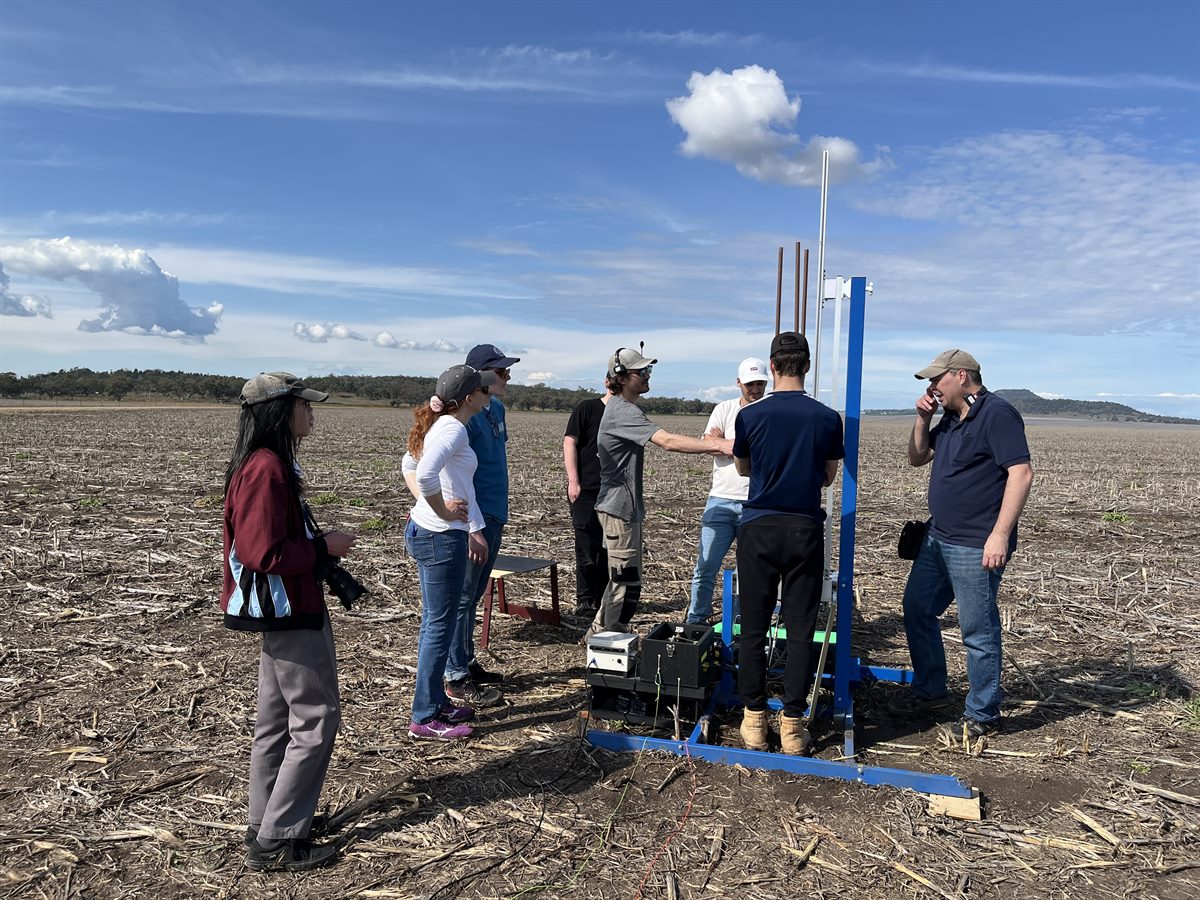
John and Aidan in the meantime set up all the cameras around the launch site. Amanda was on the checklist and because we all had the comms headsets it really made things a lot easier. We didn't have to shout at each other while on the field.
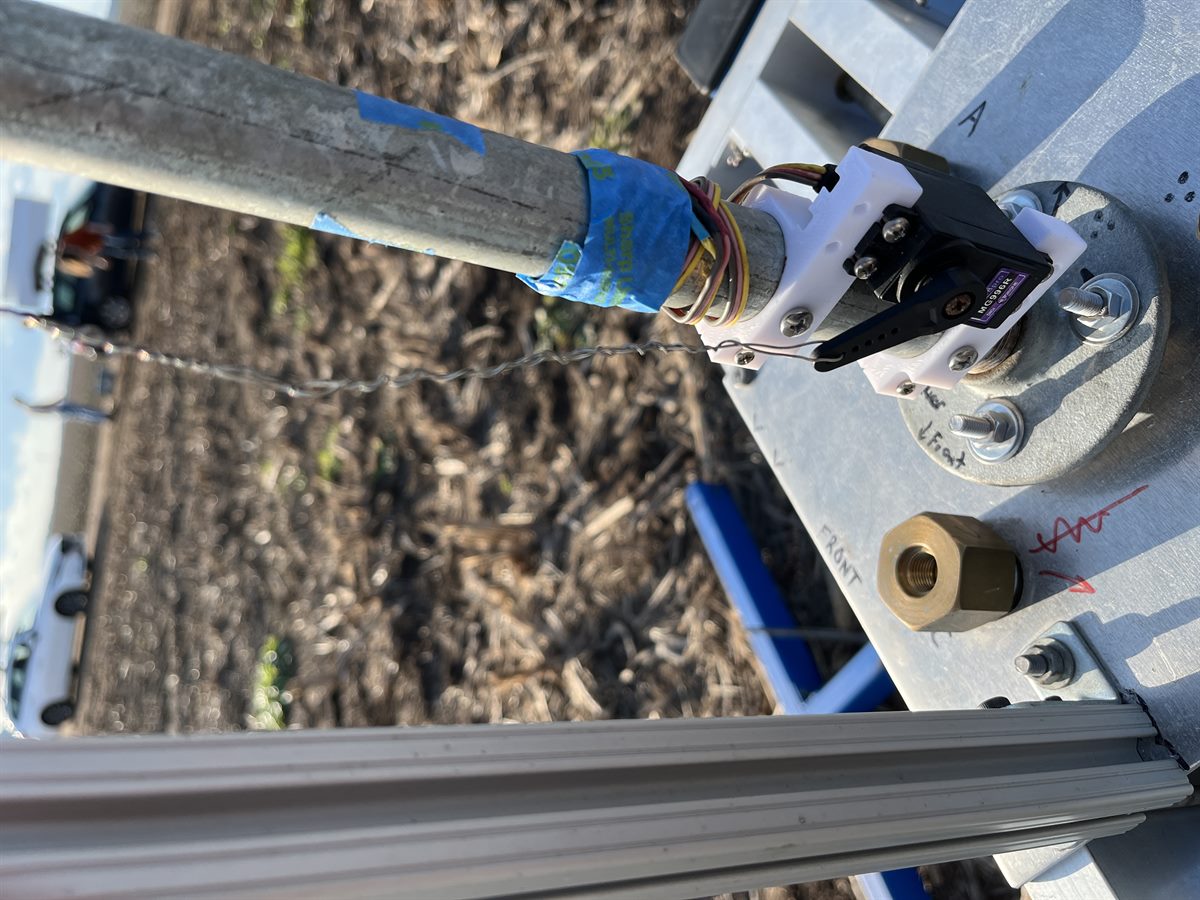
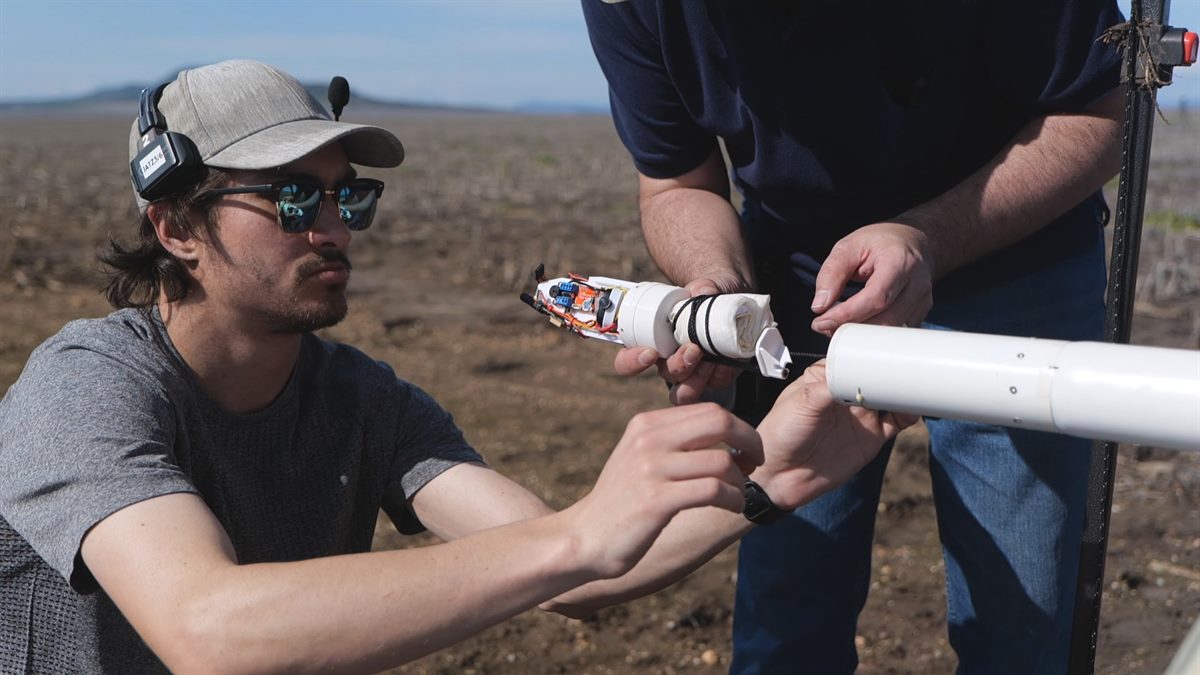
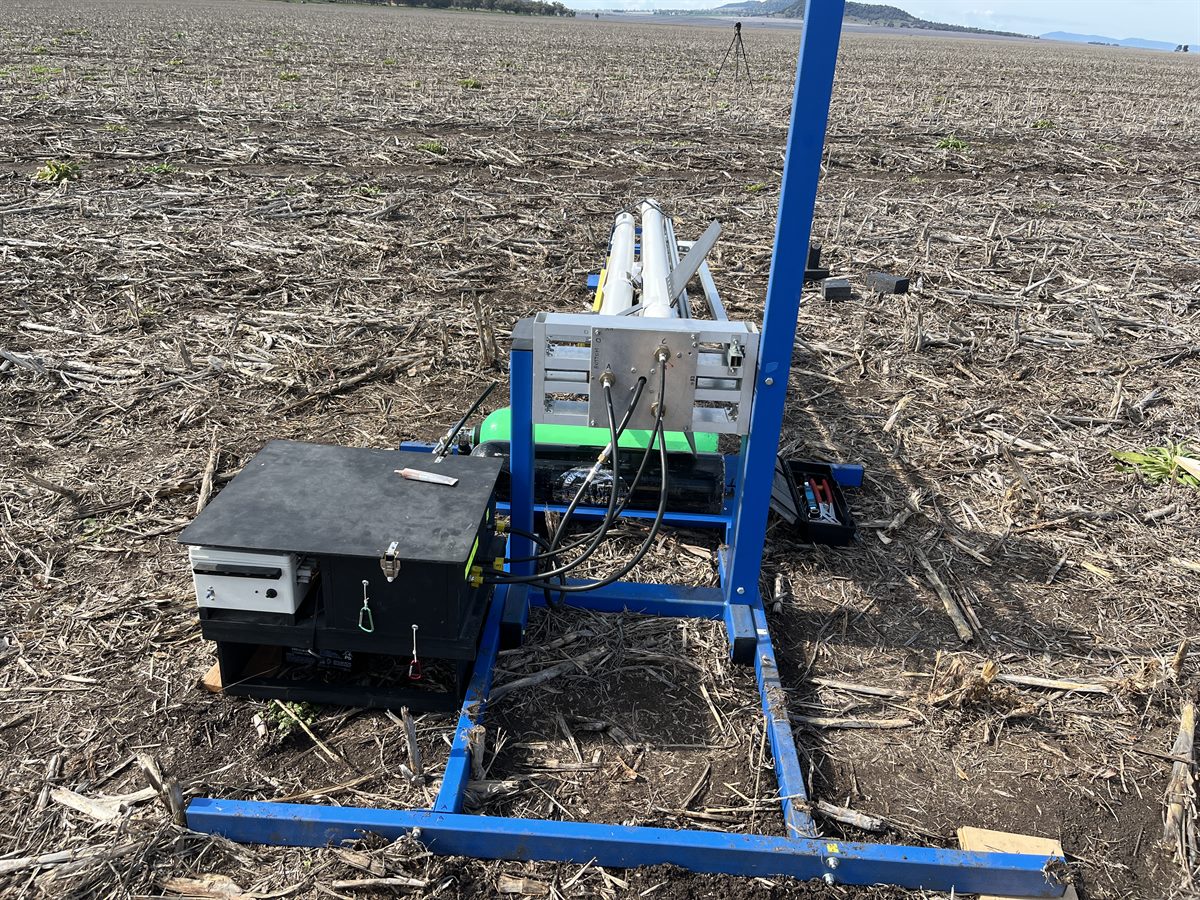
So then it was time to get the rocket armed and elevated. One of the first problems we ran into was that one of the doors on the booster wasn't completely closed. There must have been too much tension put on it from the parachute, and the two rubber bands just weren't enough. So I was going to adjust it, but then one of the rubber bands came loose and flew out of the hole. This was potentially a time consuming issue, but luckily I had thought about this during planning, and so I got a piece of tinned wire and threaded it through the hole and over the servo horn and pulled the door closed and twisted the wire. This worked well and we didn't have to pull the rocket off the pad. The problem with a partially opened door was that the air stream could get under it and open it during boost. Which would have been bad.
So we were able to arm everything, got a GPS lock on the GPS receiver and elevated the rocket to vertical and locked it in.
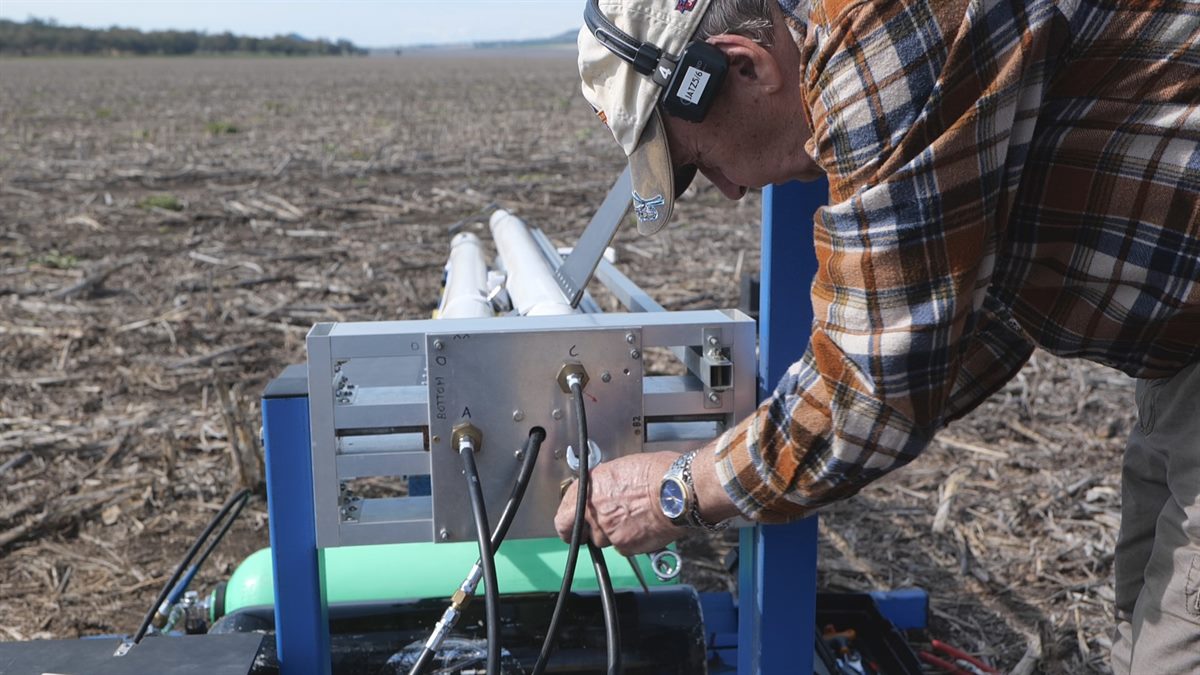
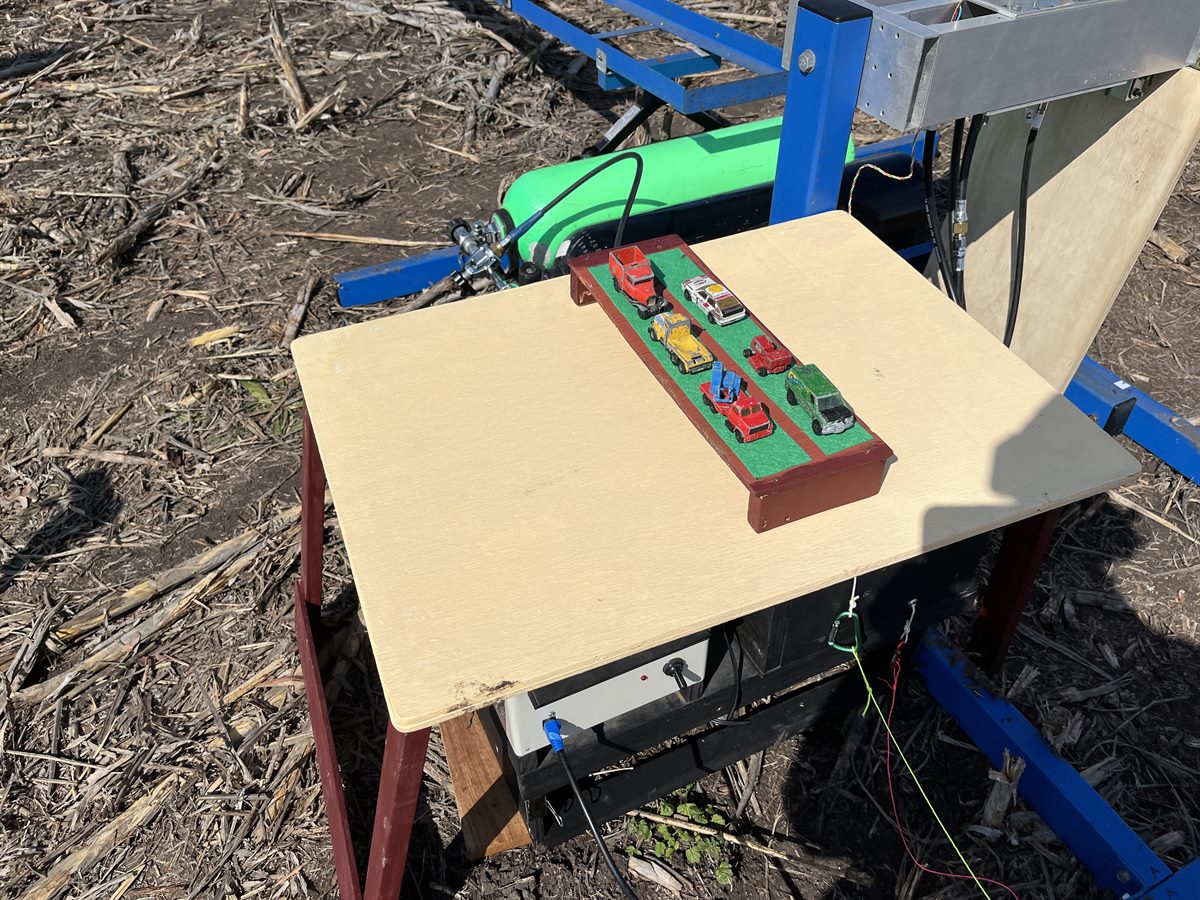
Everyone retreated back to the launch desk, and I had dad remotely try to open the valve to let a little pressure into the rocket so I could check for leaks. Here was the second problem we encountered. The valve just wasn't opening when the motor had acted on it. It turned out that the lever was slipping on the shaft, so I had to get a screwdriver and a spanner and really tighten the screw holding the lever on. It was then possible to open the valve and let pressure flow.
And then I noticed a third problem. The main valve wasn't shutting off properly. The spring that normally closes it wasn't quite strong enough and so although the valve had mostly closed, air was still flowing through it. You really had to tighten it by hand to close it off completely. I am not sure why but the valve this time was a lot harder to open and close. It may be that the input pressure was higher than normal (240bar vs 200bar) and that may have added to the difficulty? In any case this was potentially a serious issue if we couldn't shut the valve off completely once we started filling it remotely. We were going to originally fill the rocket in bursts to allow the air to cool.
With all the cameras rolling, and flight computers armed, I made the executive decision to alter the fill routine and we were just going to open the valve, let it fill and once we got to the launch pressure we would release the rocket. This would have meant a much faster fill so there was danger of the epoxy overheating from the compression heating, but we really didn't have many options at this point.
I completely shut off the valve with my hand and retreated back to the launch table.
Just as we were about to start the fill procedure a club member had wondered onto the range, so there was a lot of shouting and hand waving to get them to clear the range. They thought people were shouting to get away from the pyro pads while she headed for the water rocket launcher. It all got cleared up when she realized what the shouting was about and we were able to start the fill procedure. We opened the valve and watched the pressure grow. The fill time was only about 2:18 minutes compared to the expected 10 minutes.
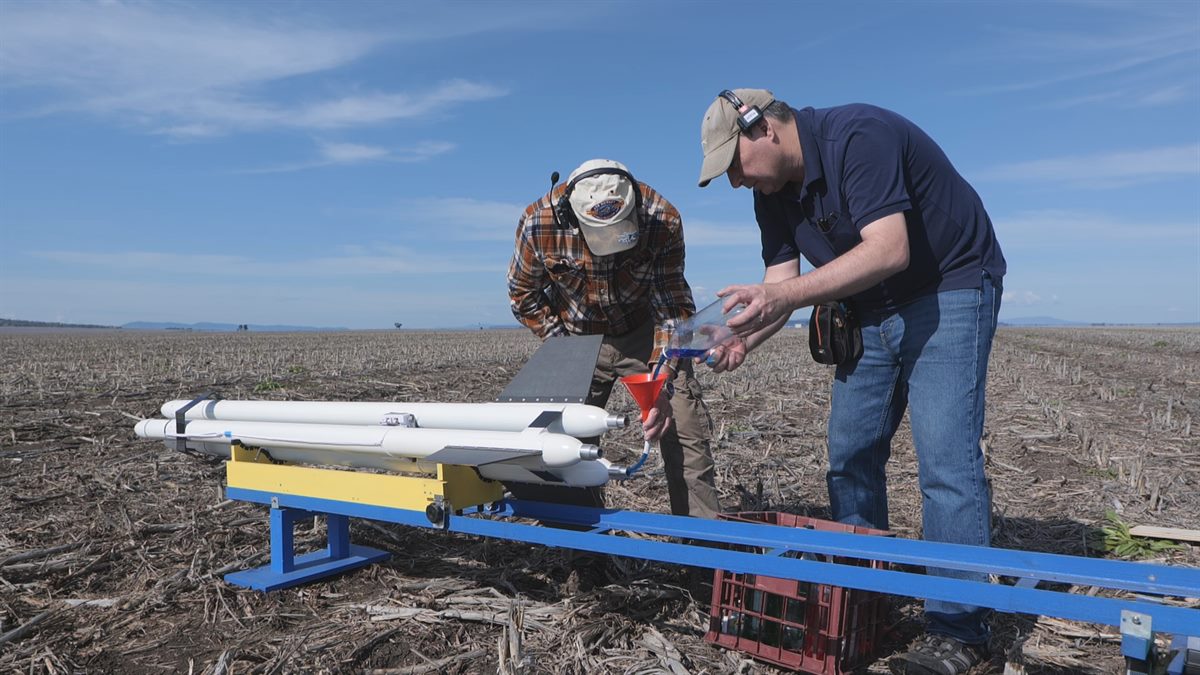
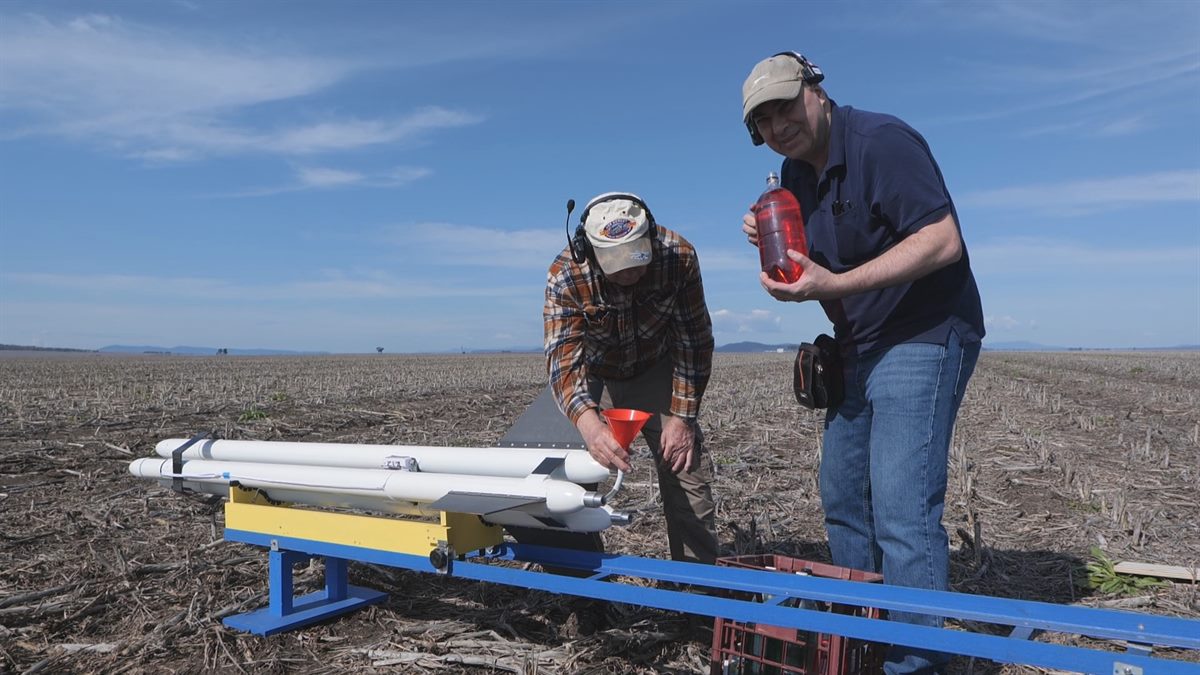
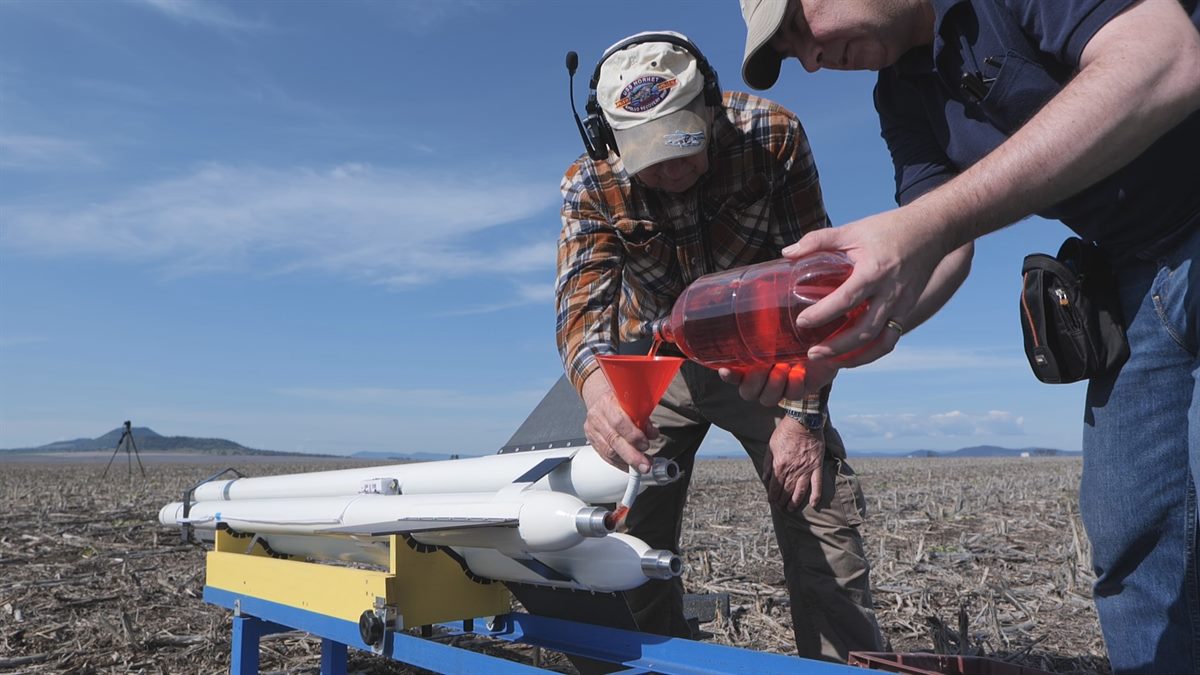
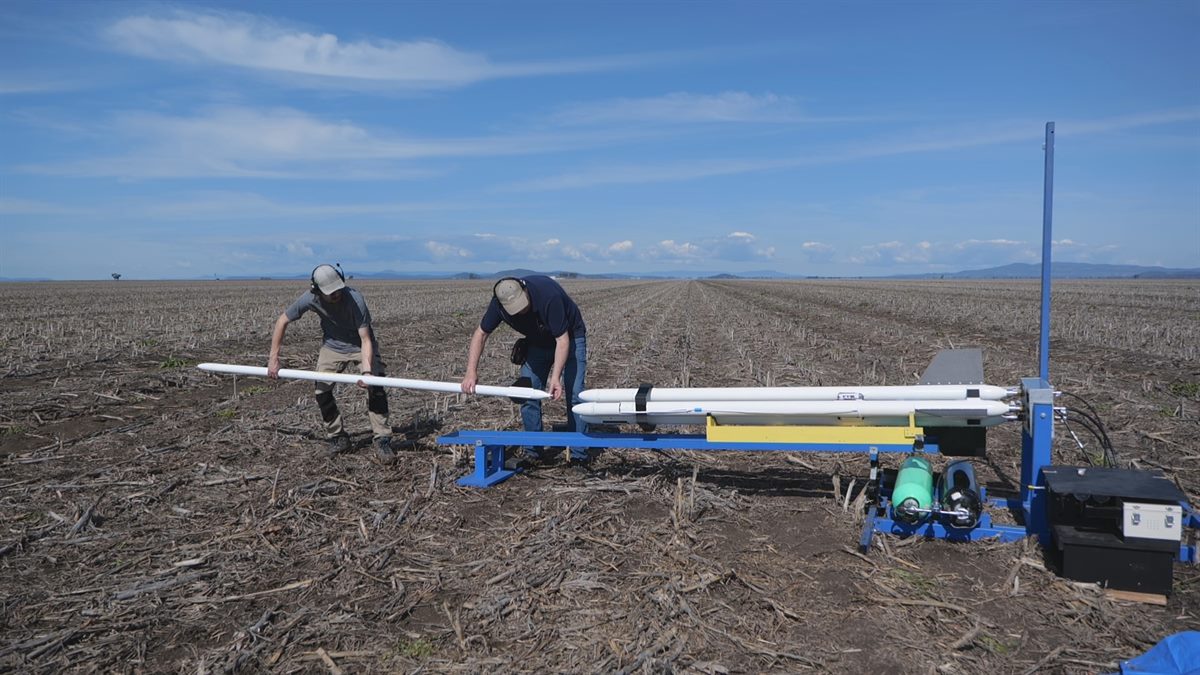
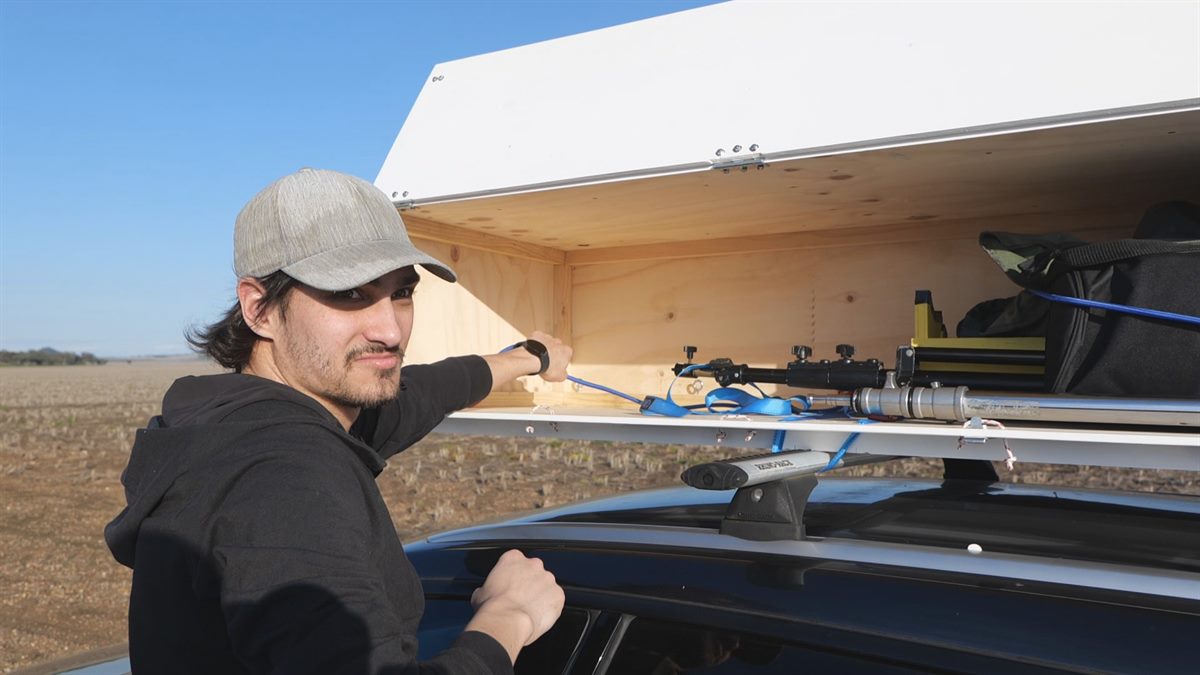
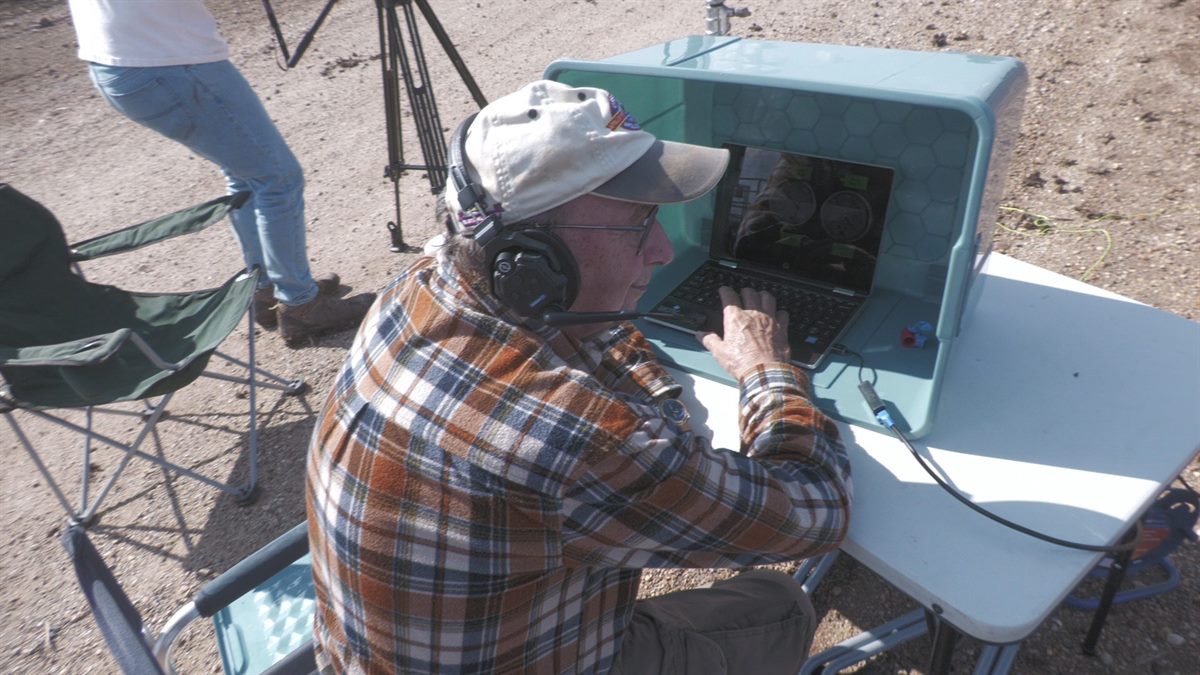
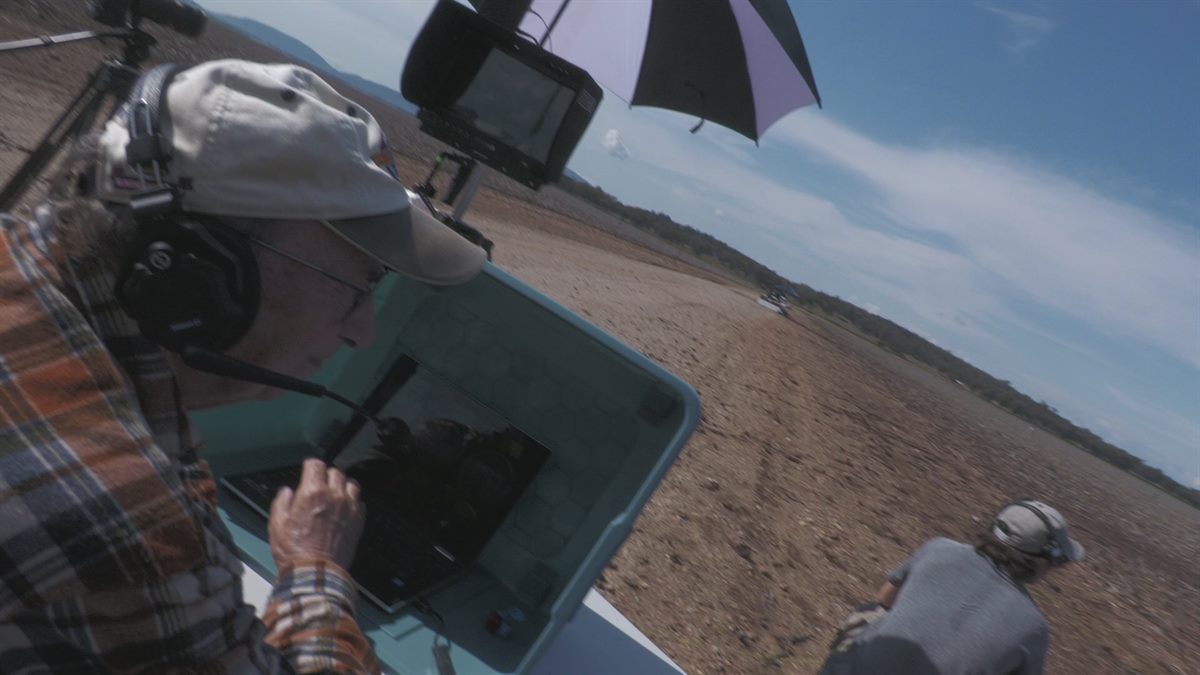
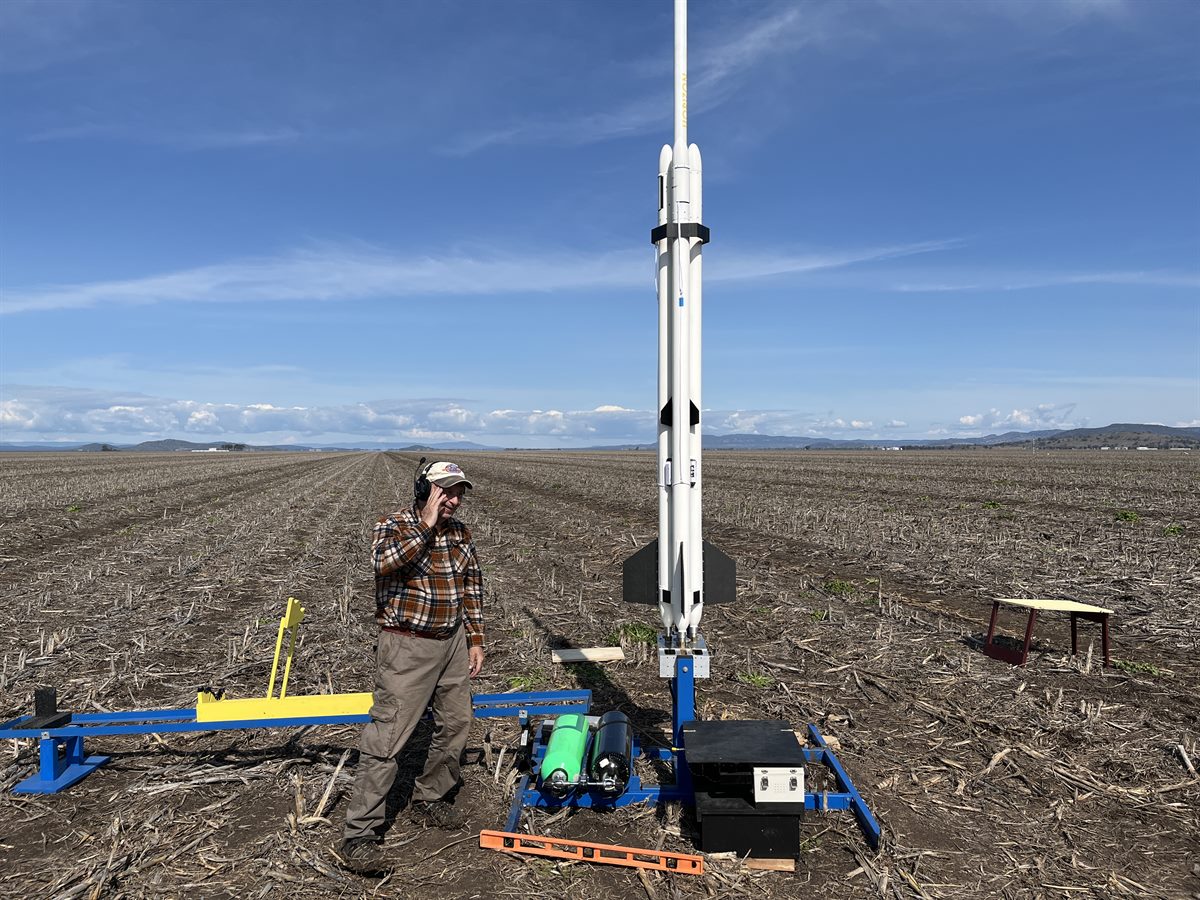
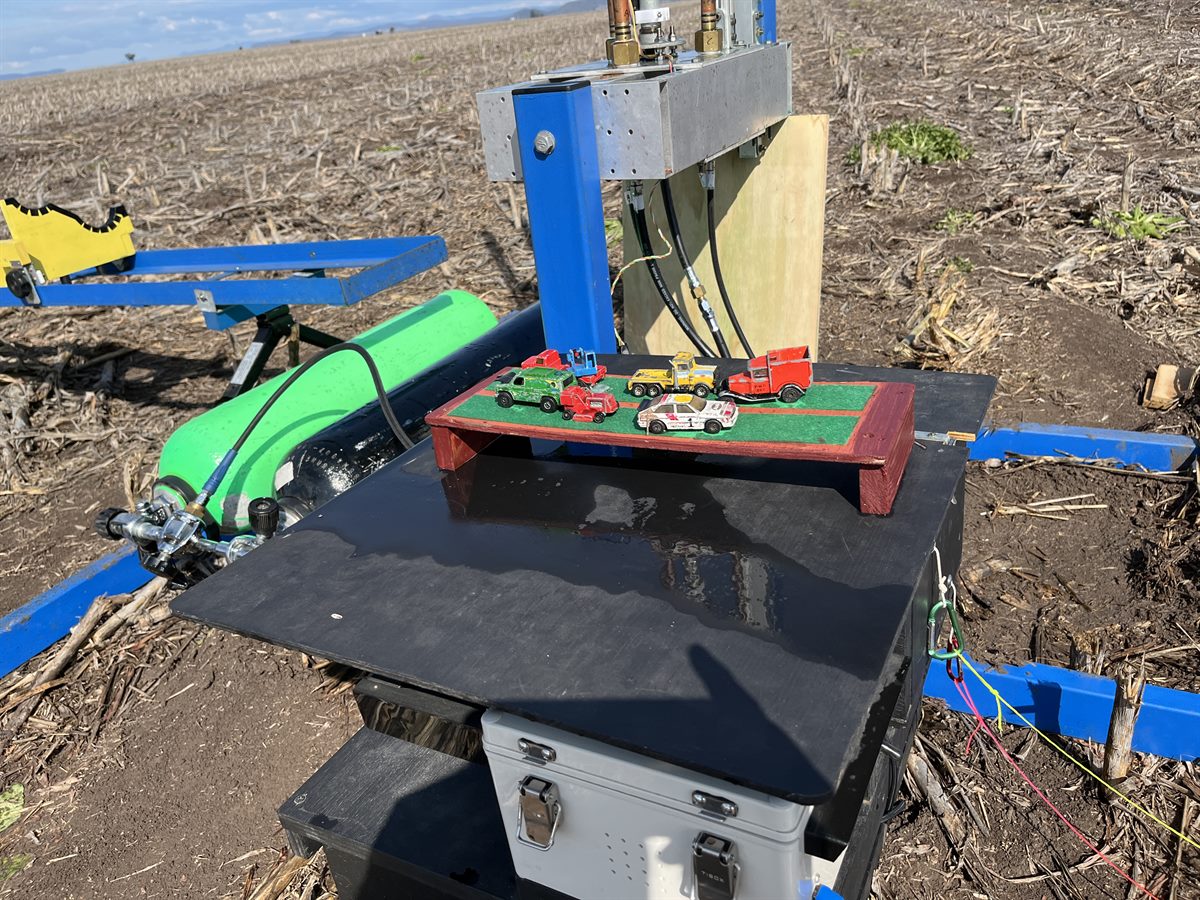
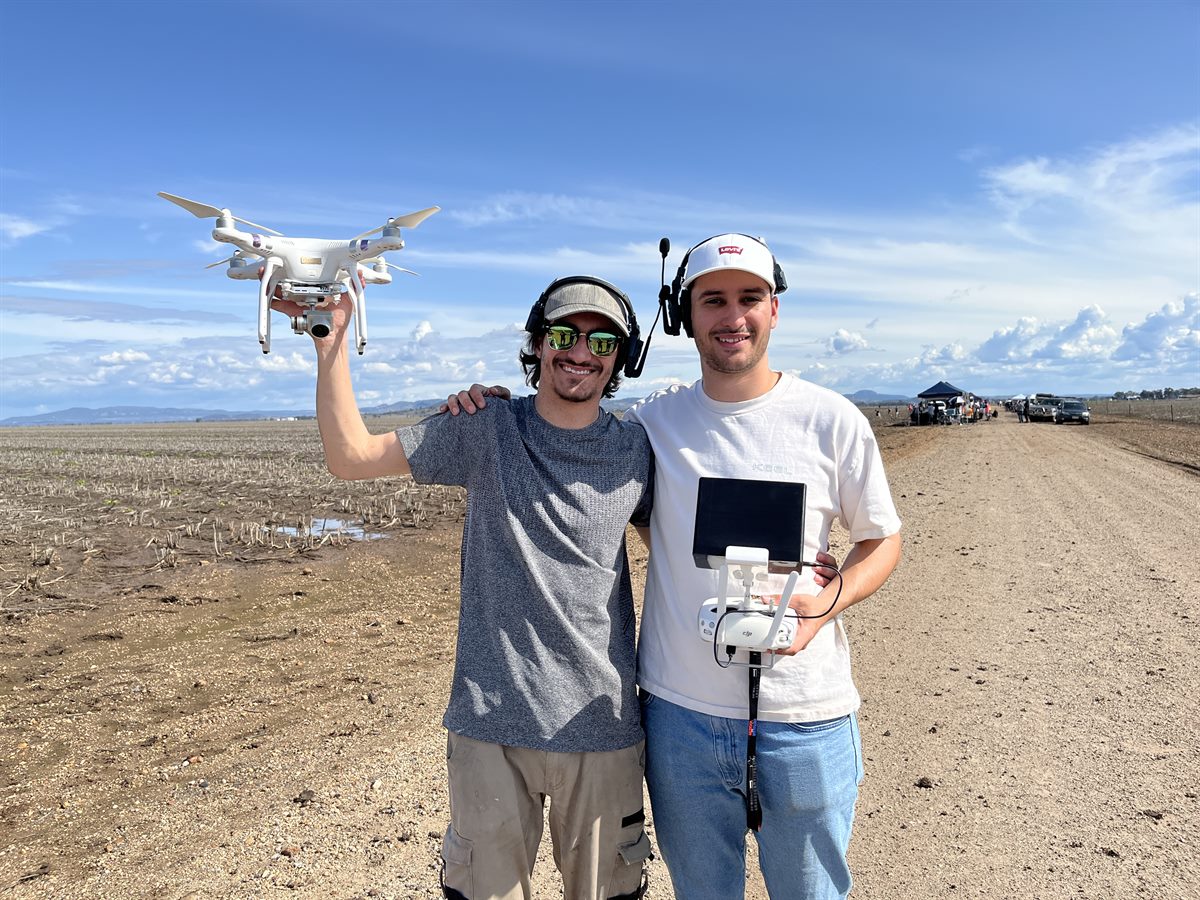
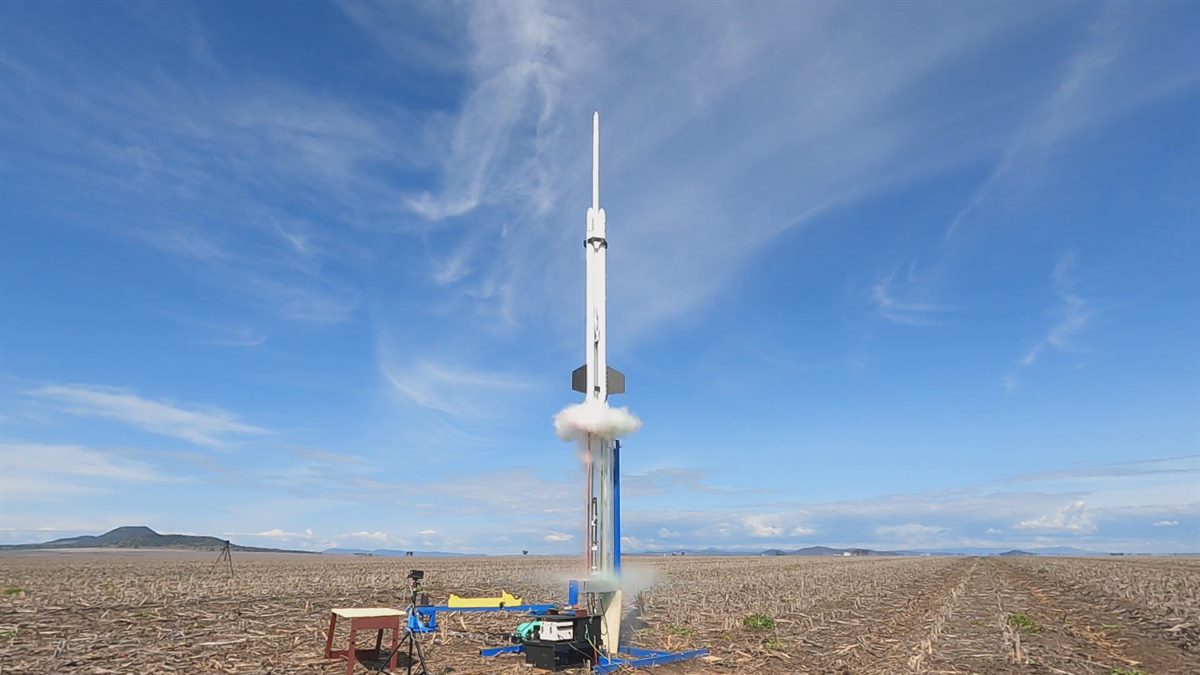
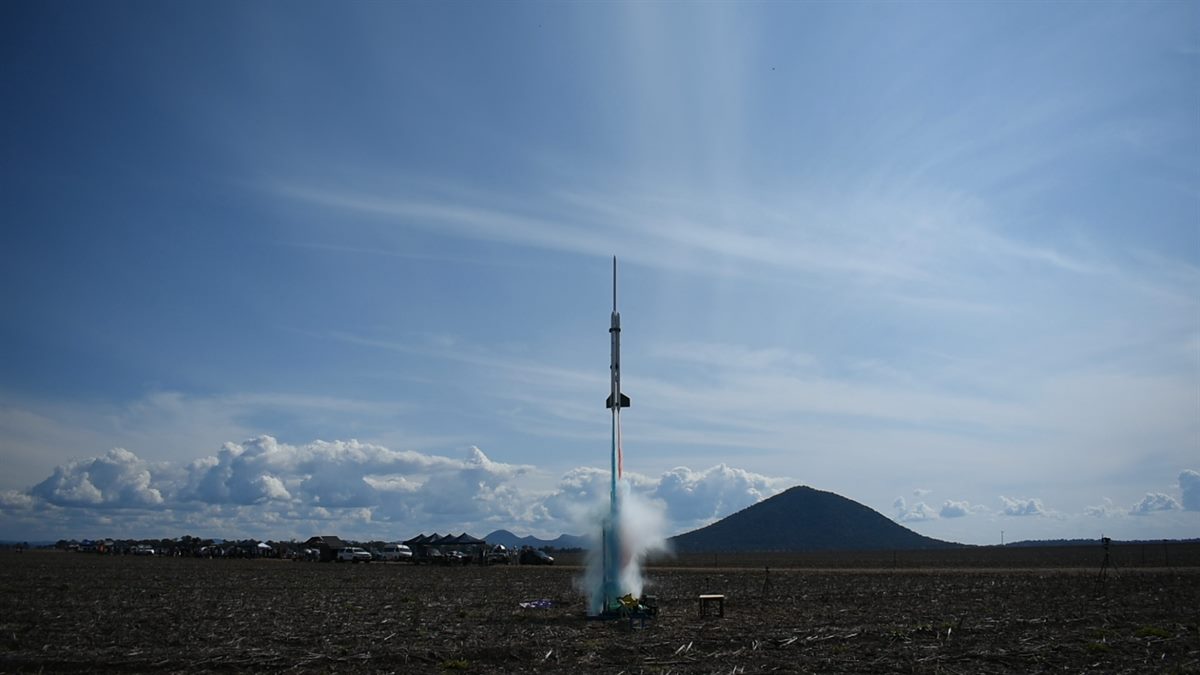
As we reached the target launch pressure of 1000psi we released the rocket.
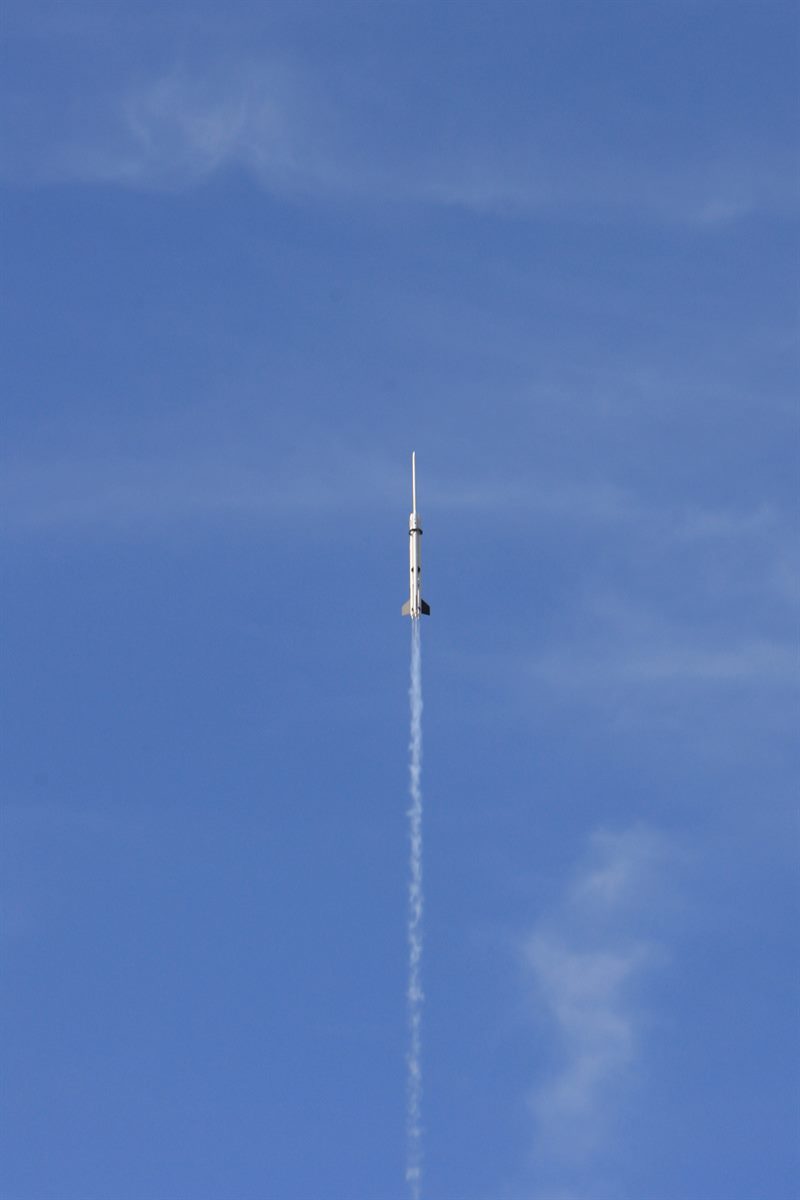
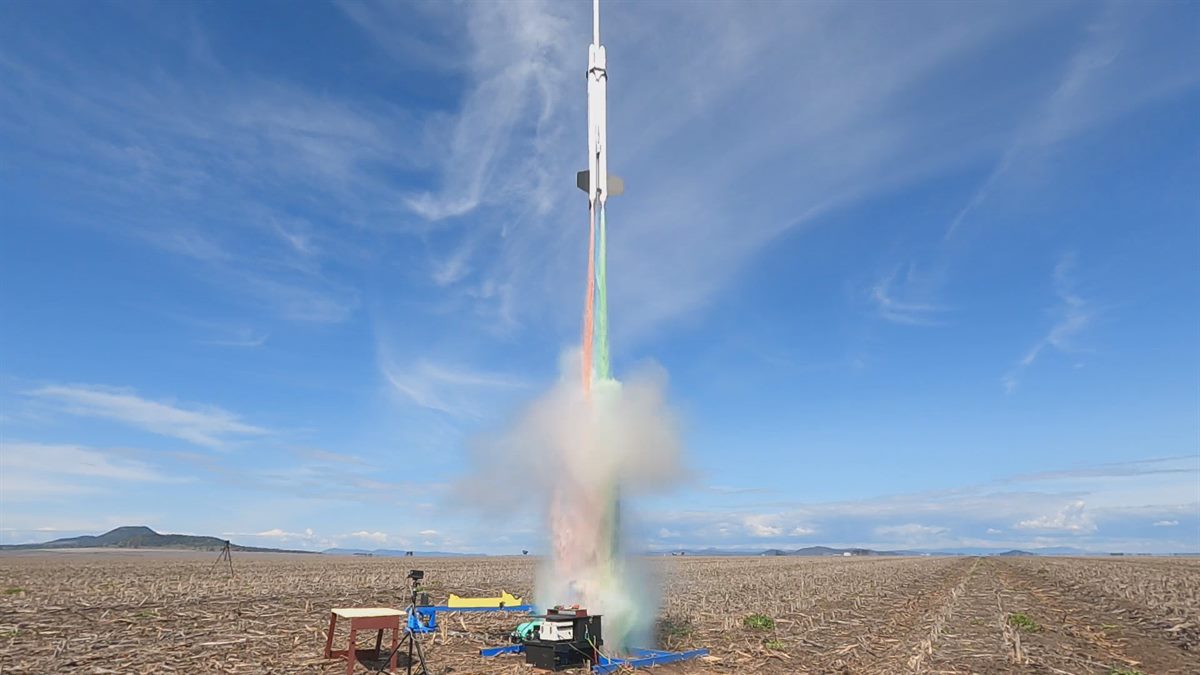
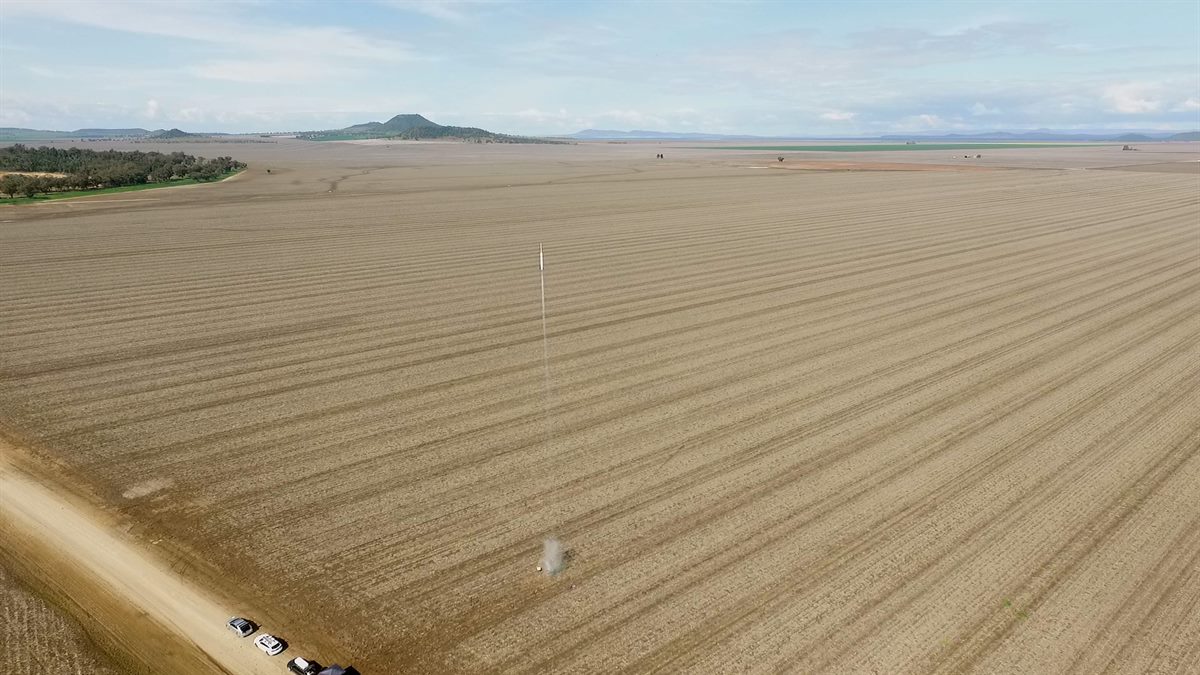
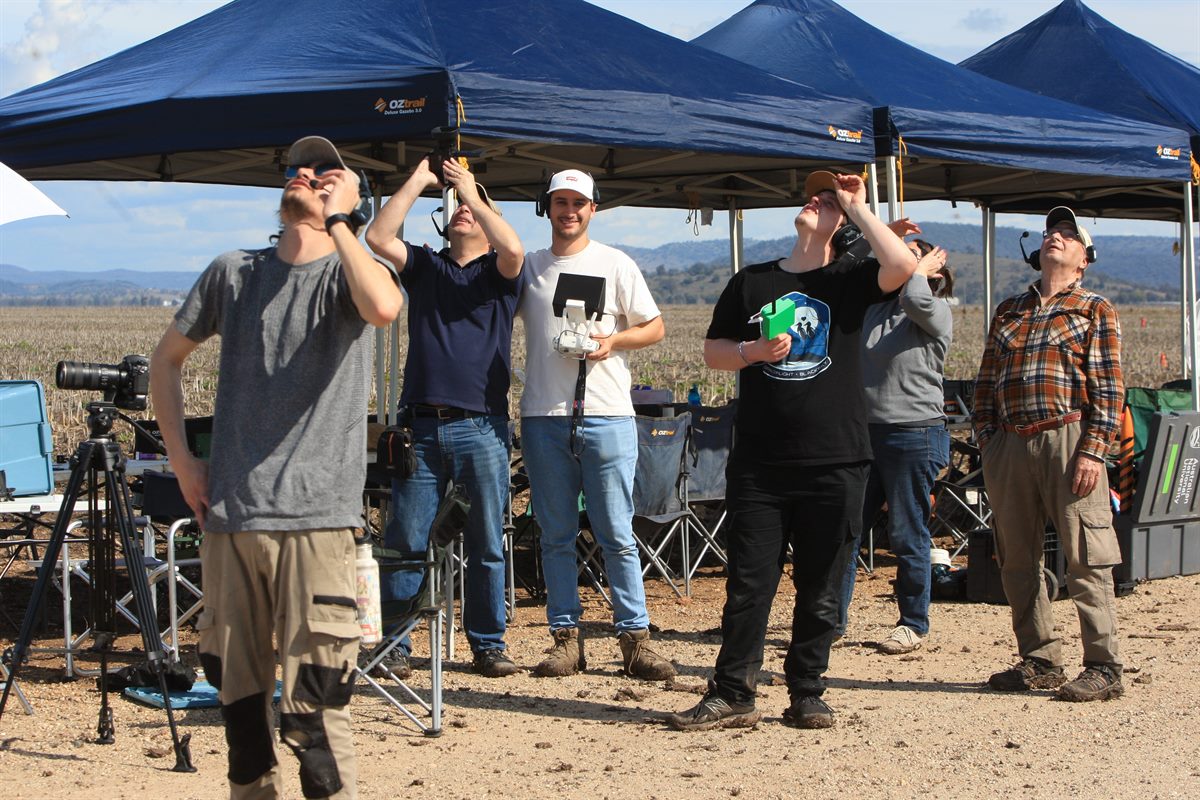
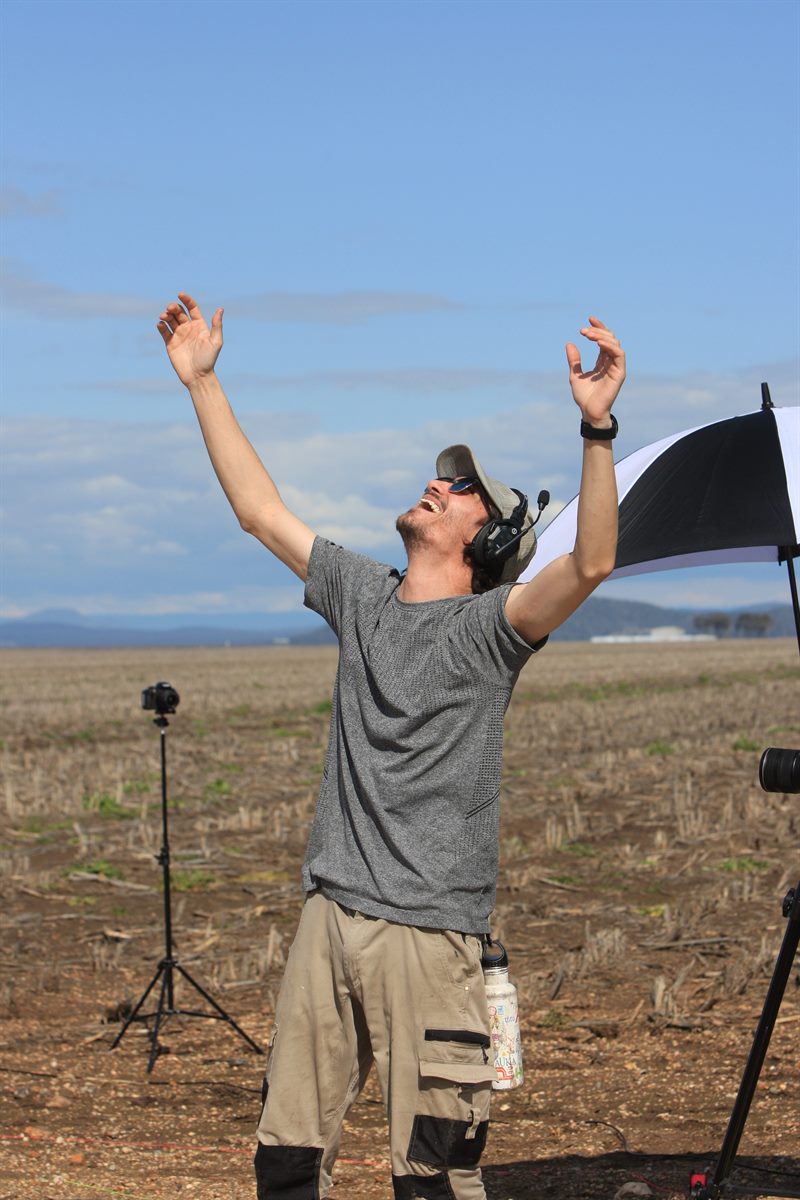
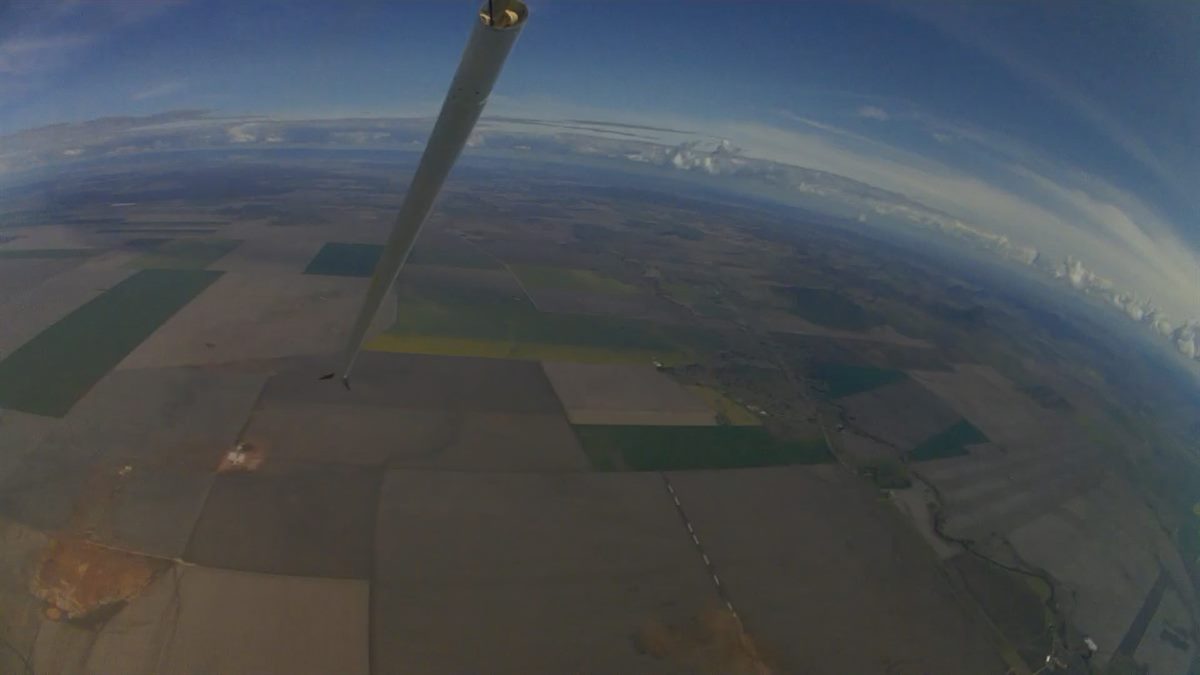
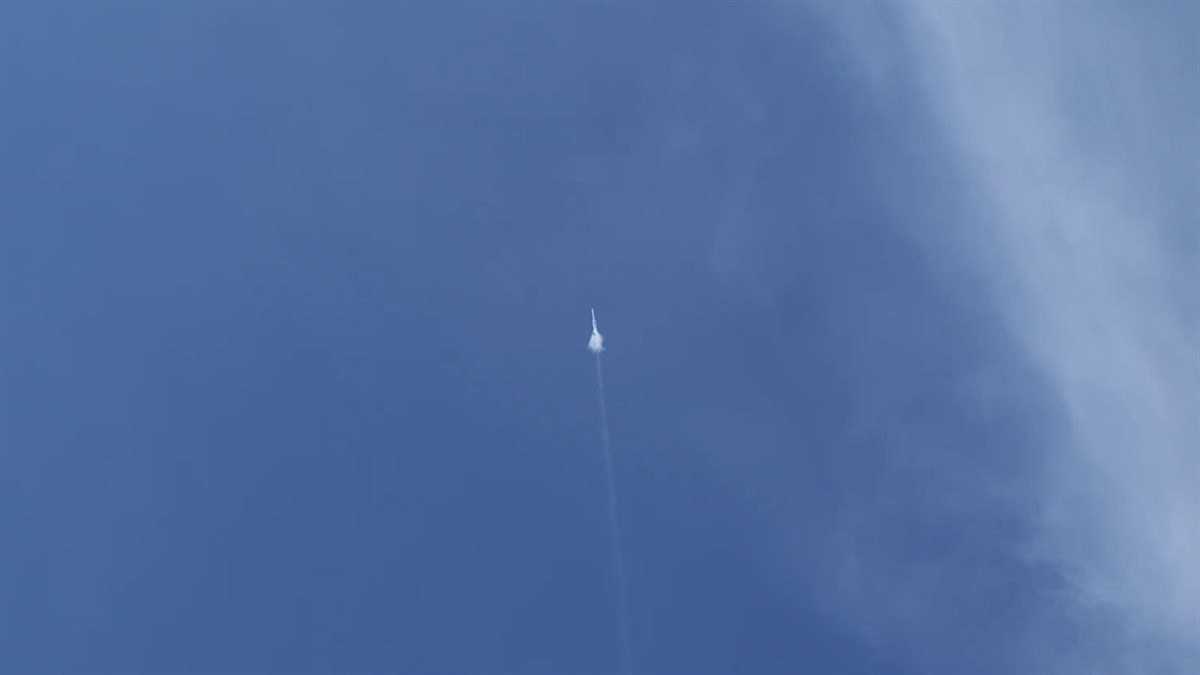
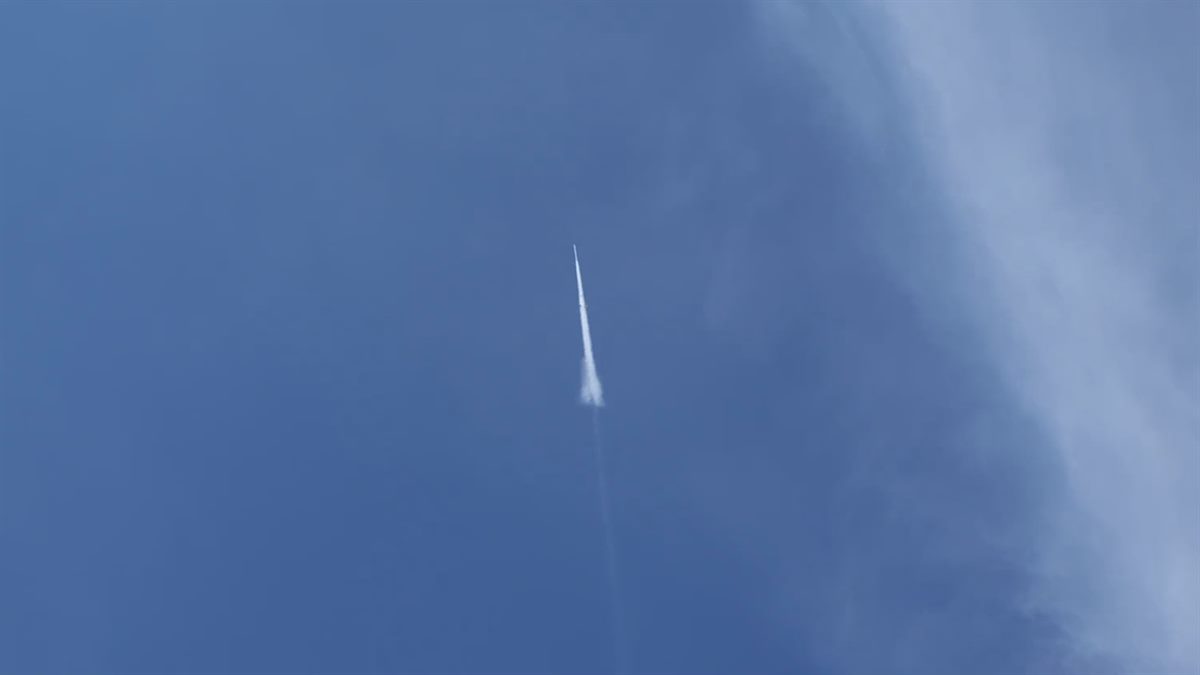
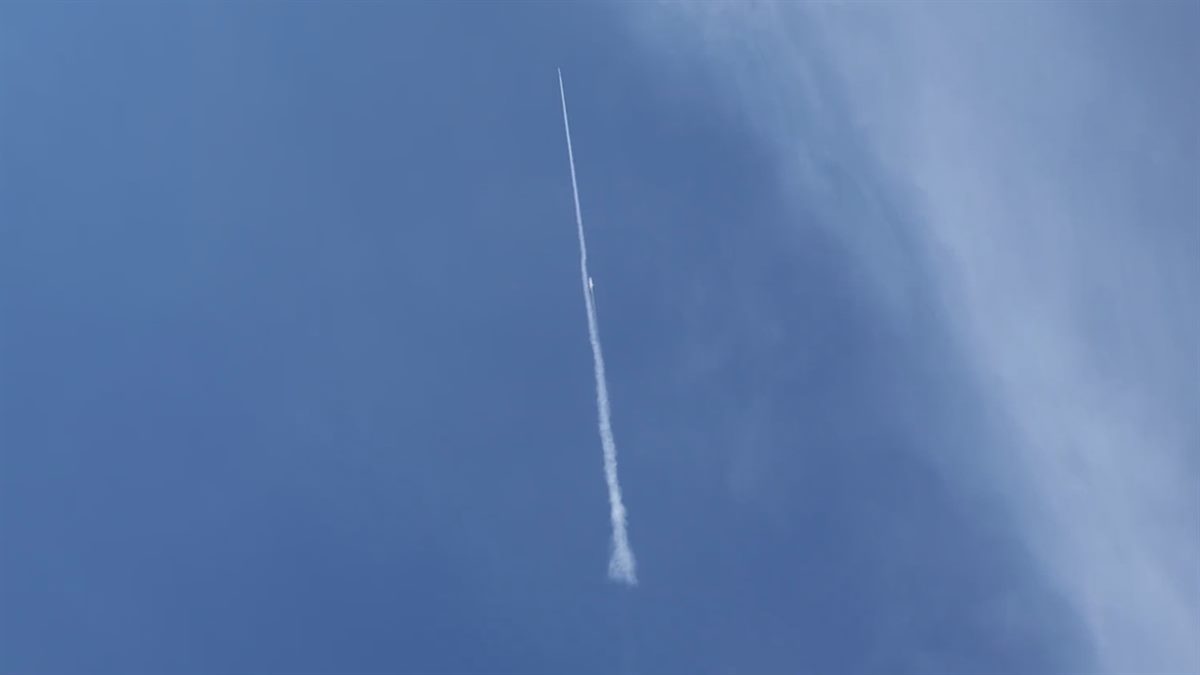
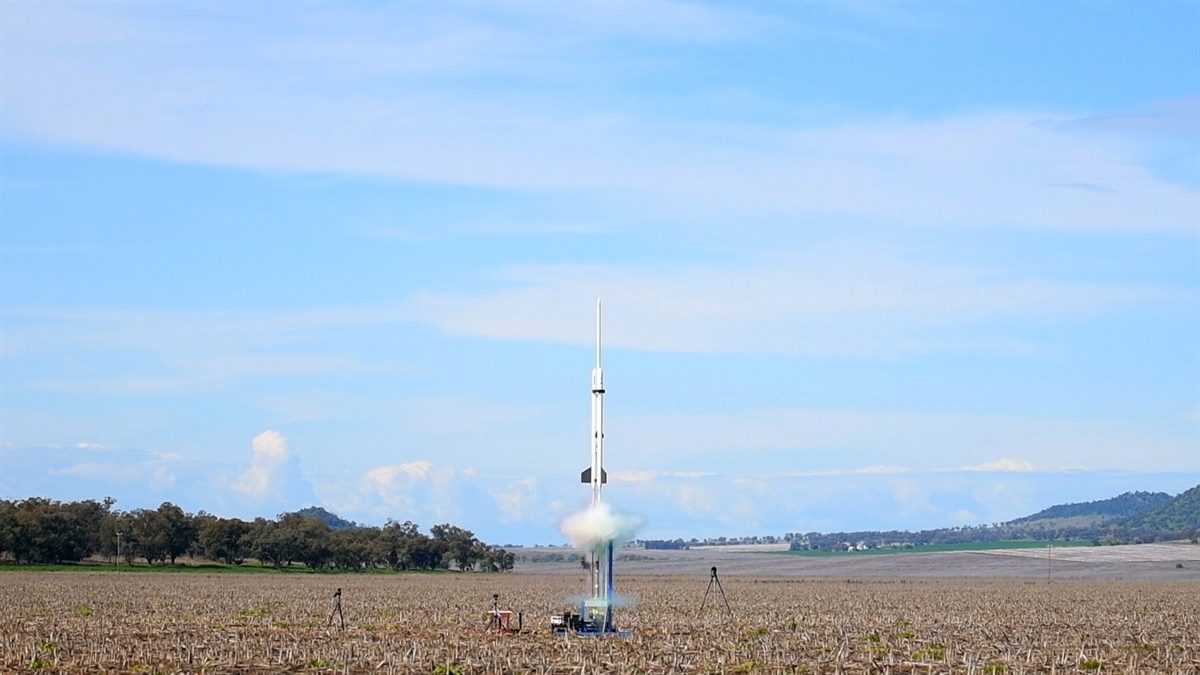
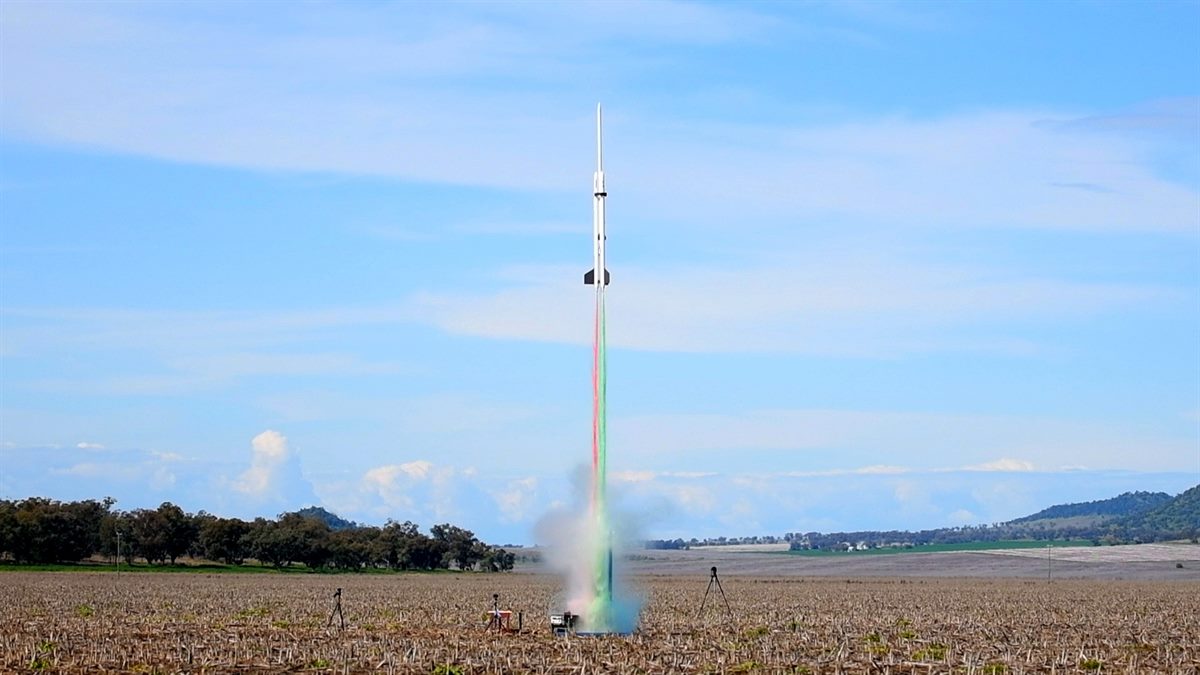
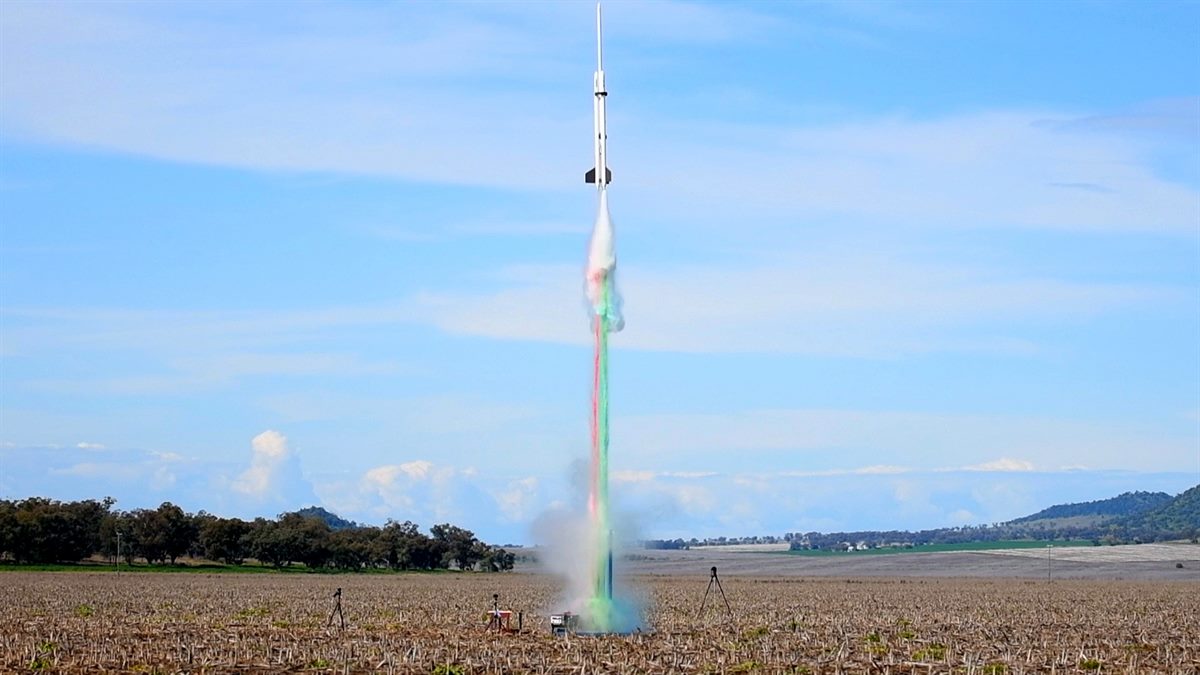
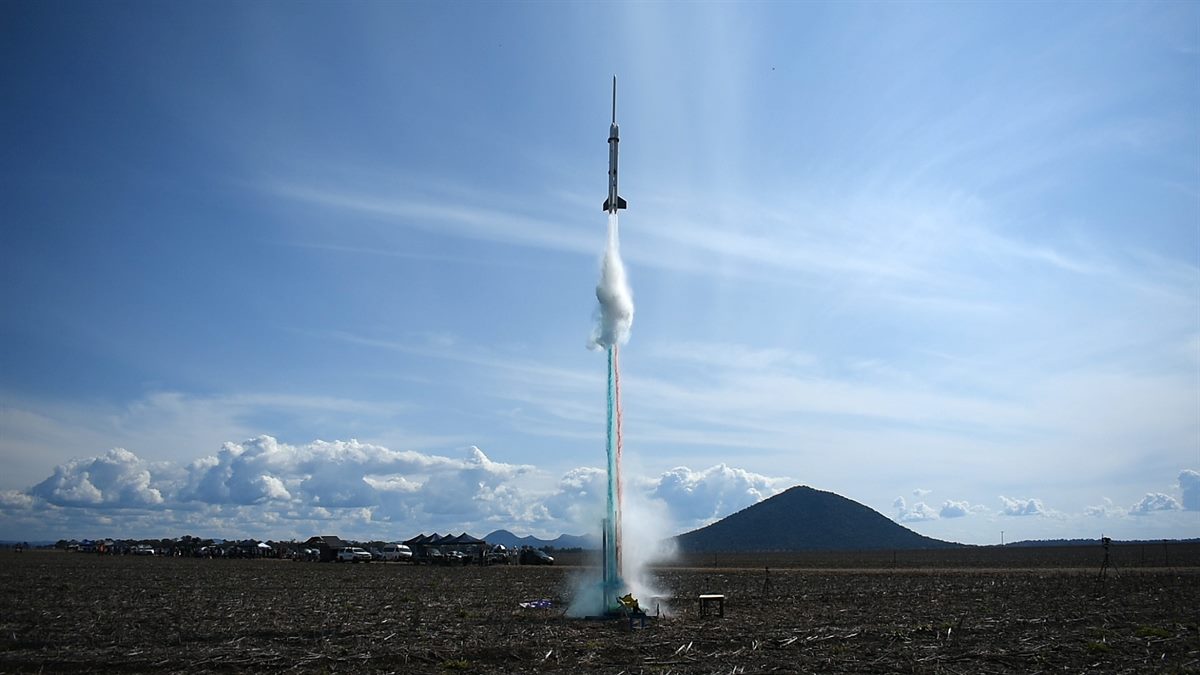
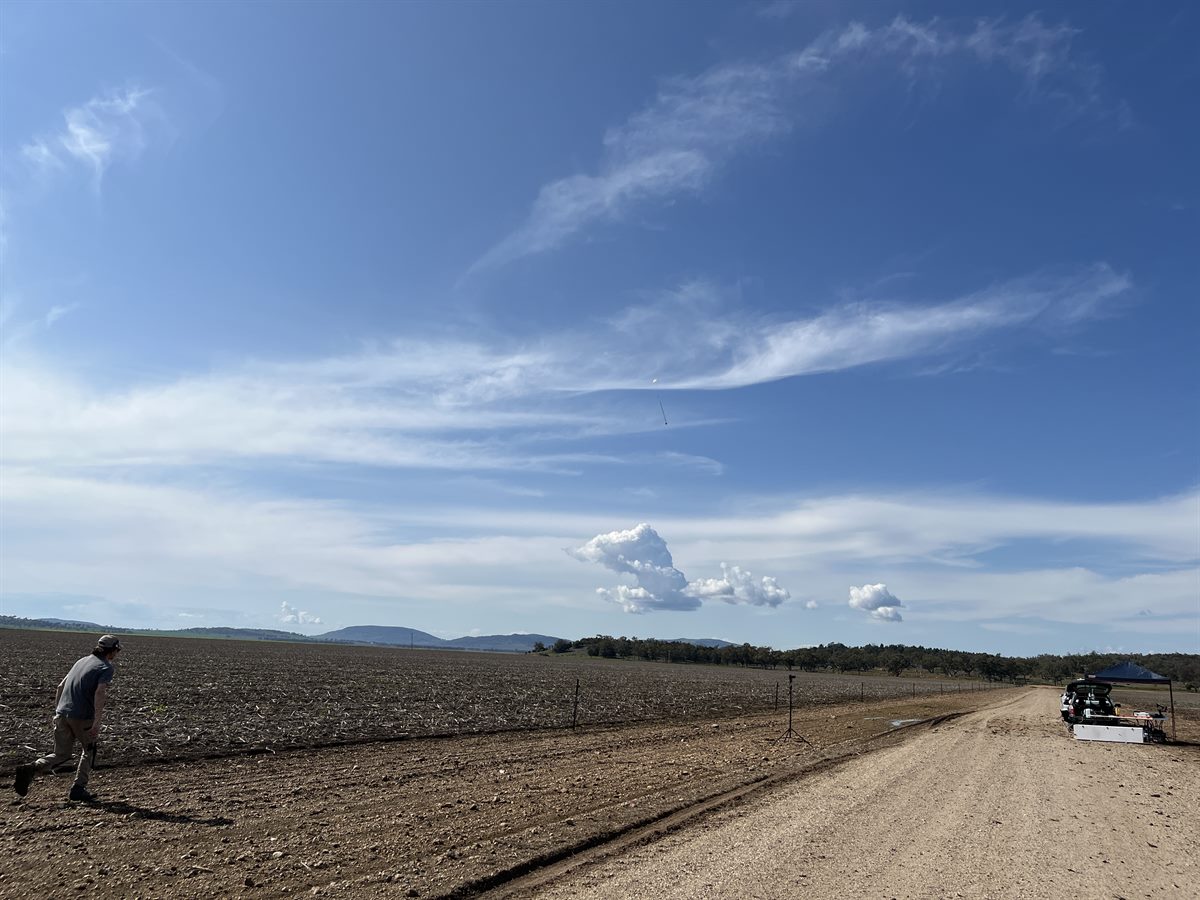
What a spectacular flight, the rocket took off very quickly with a loud whoosh and beautifully coasted straight for a while to around 550 feet (167 m) and then it staged the second stage. The second stage took off even faster and left a beautiful straight foam trail behind it. The second stage looked like it was near vertical which was ideal for trying to reach maximum altitude.
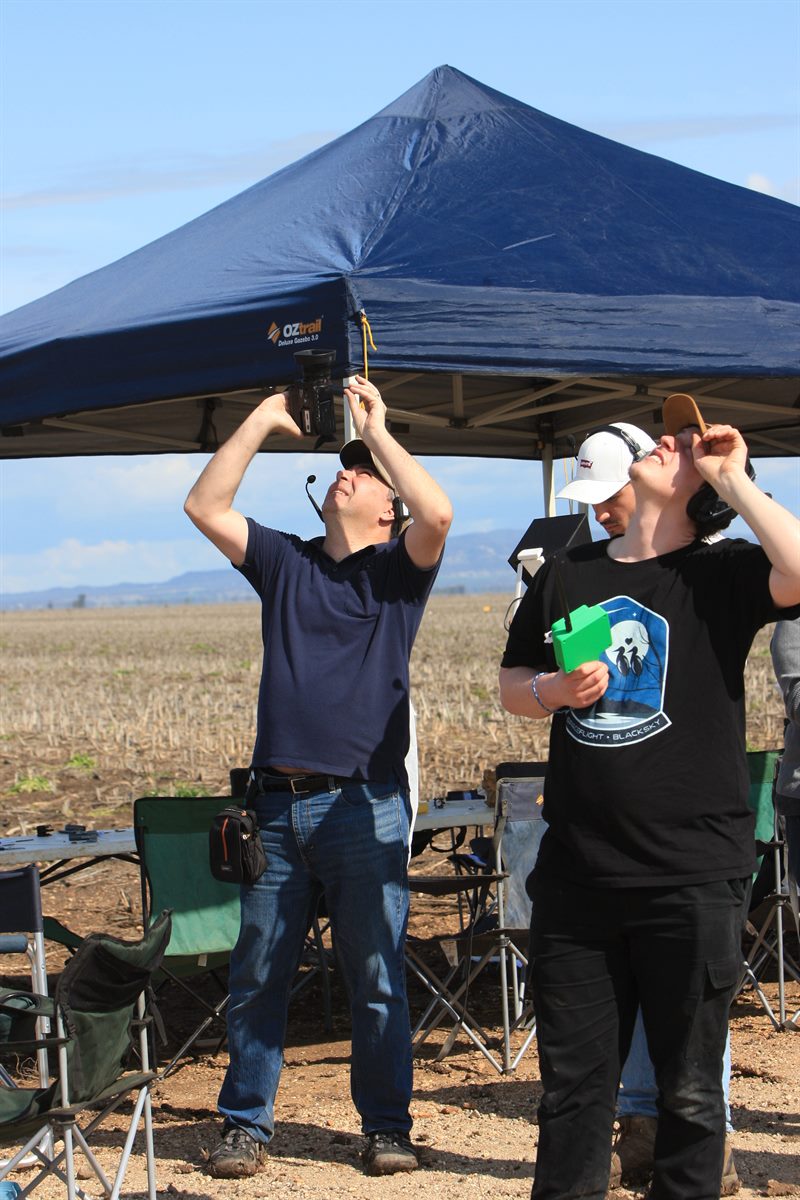
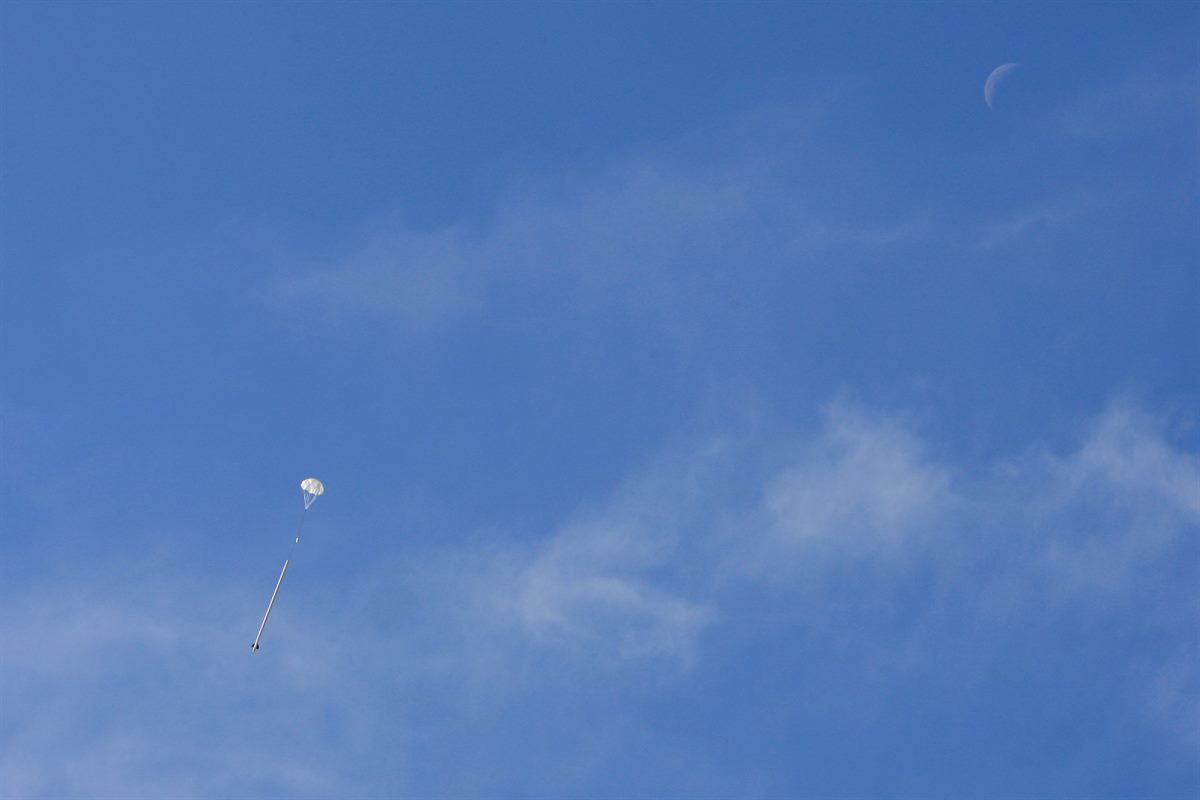
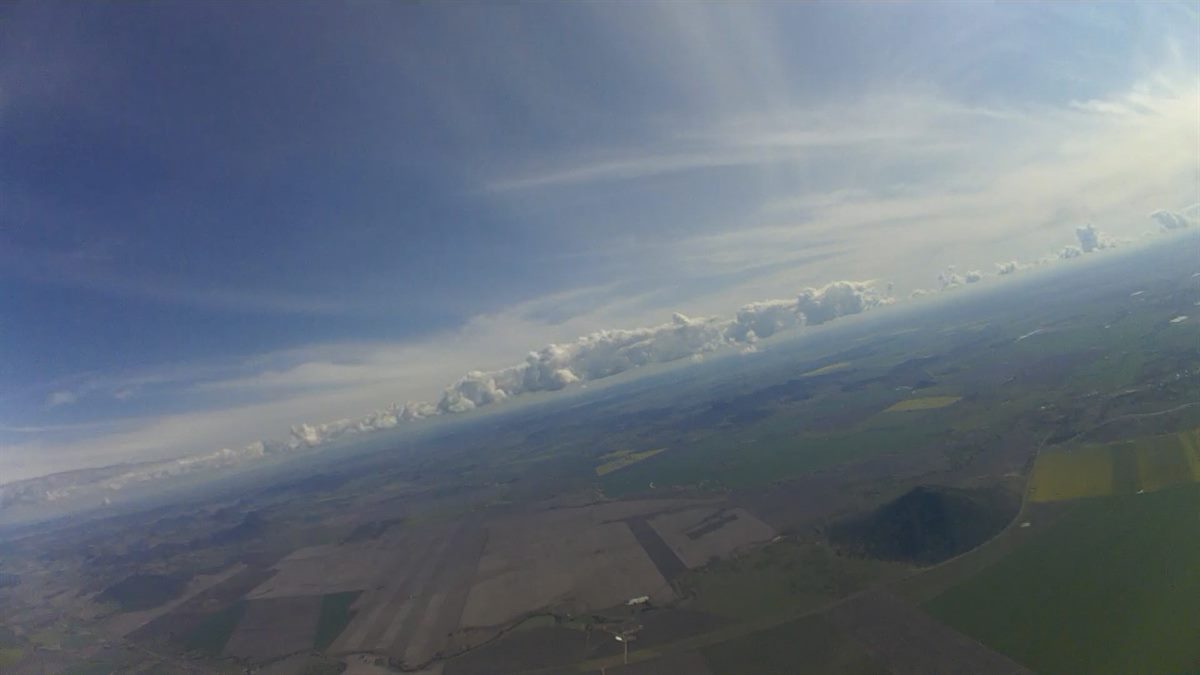
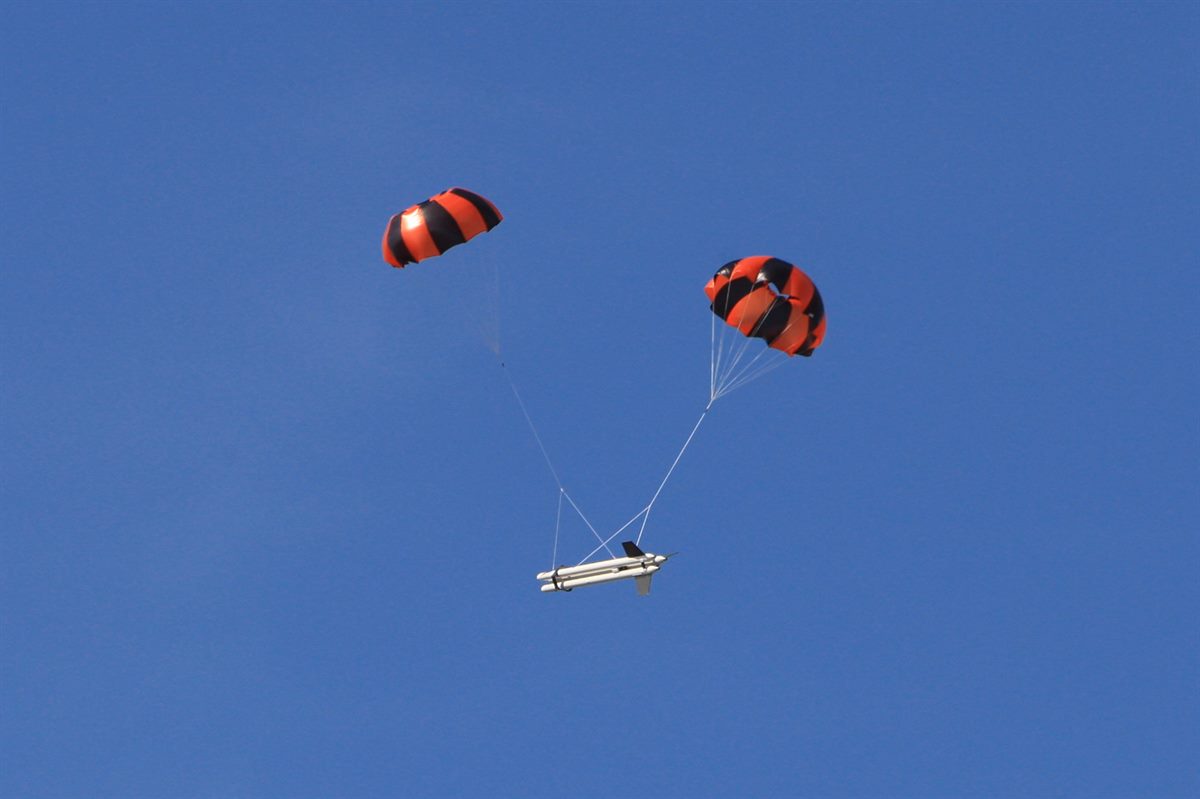
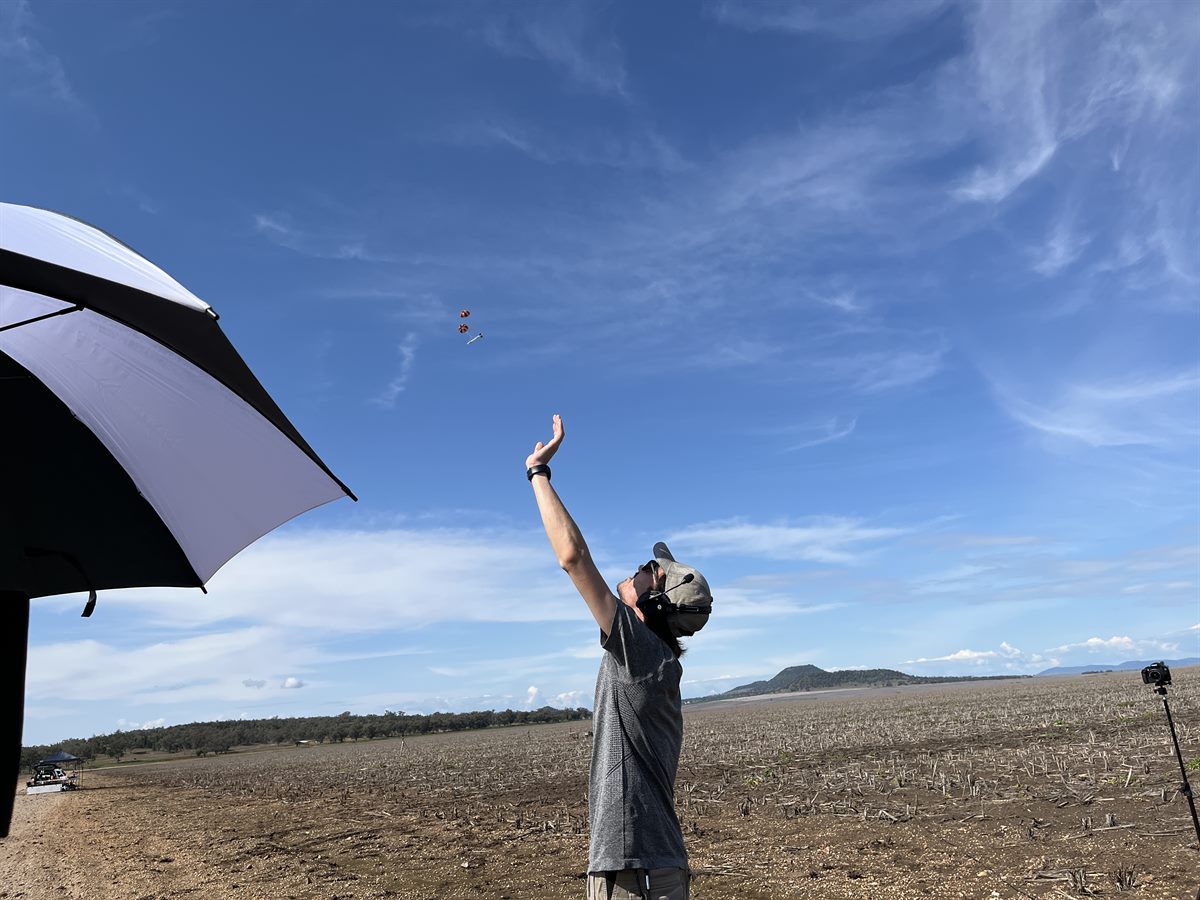
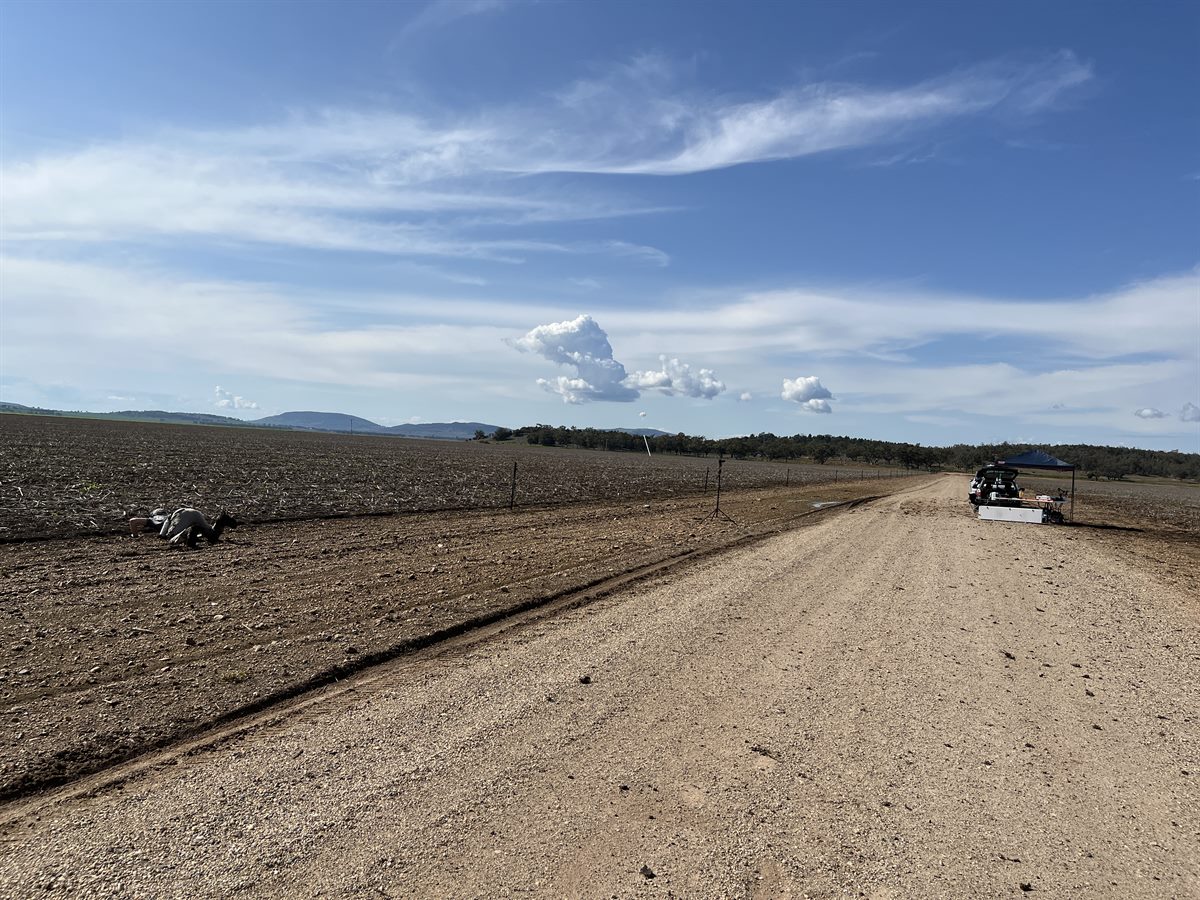
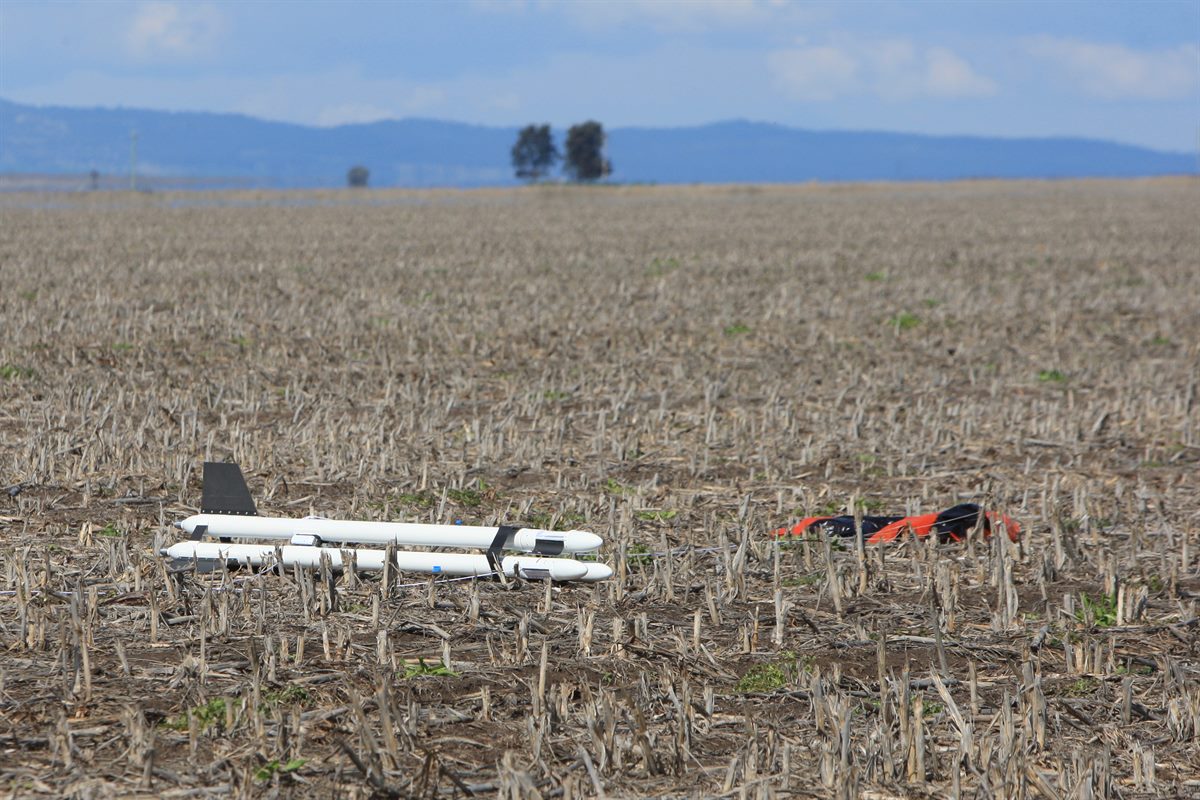
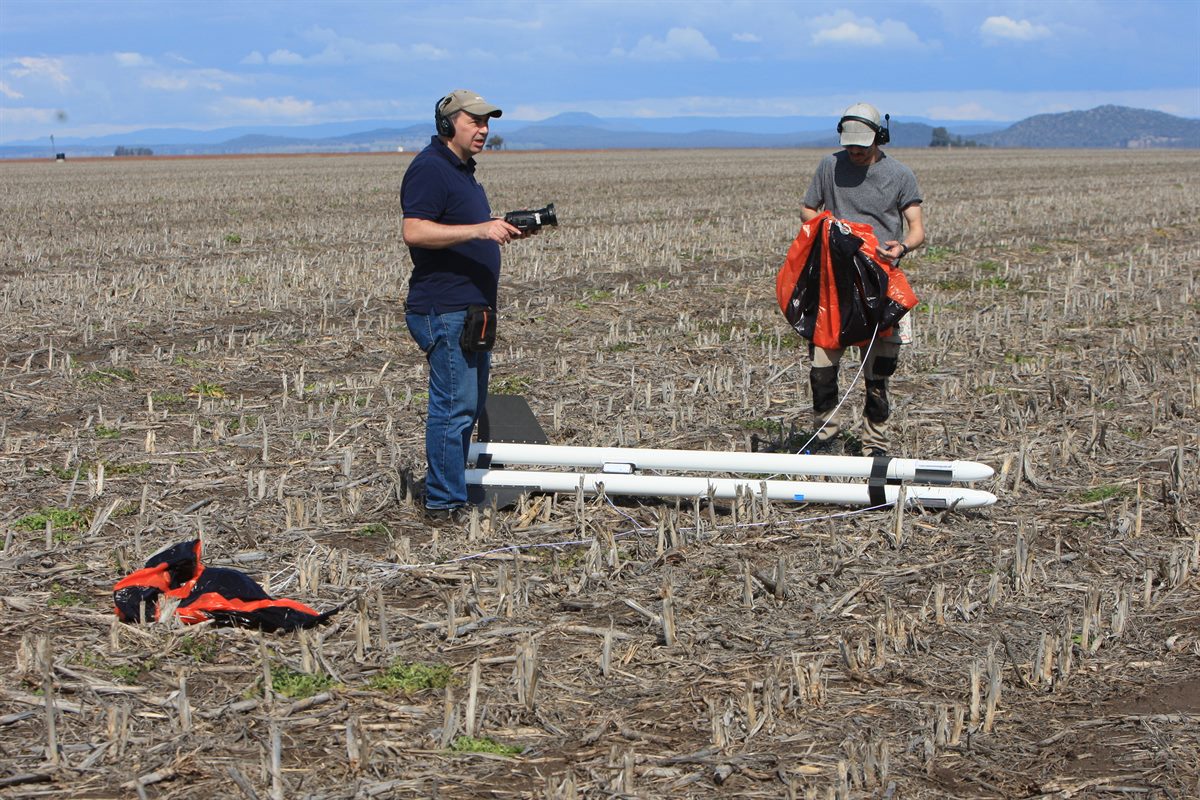
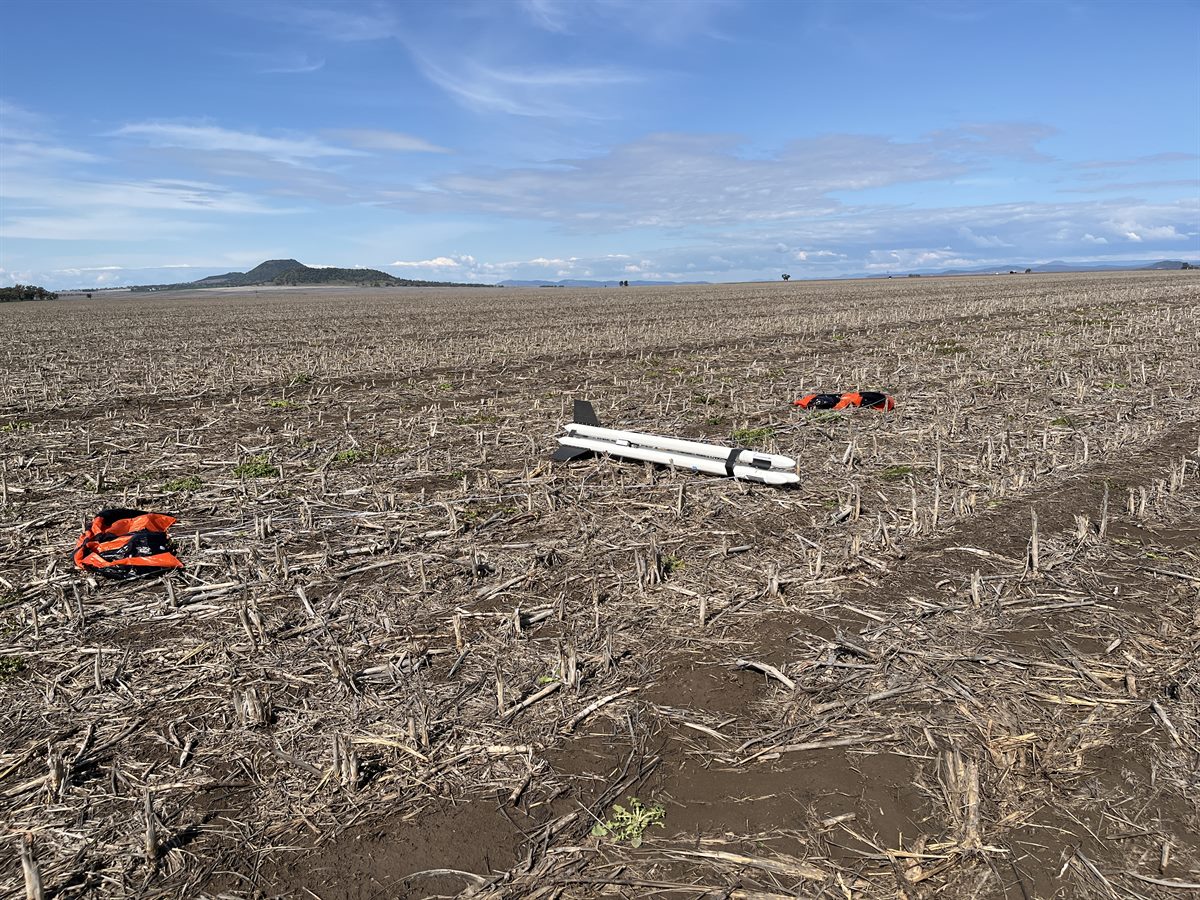
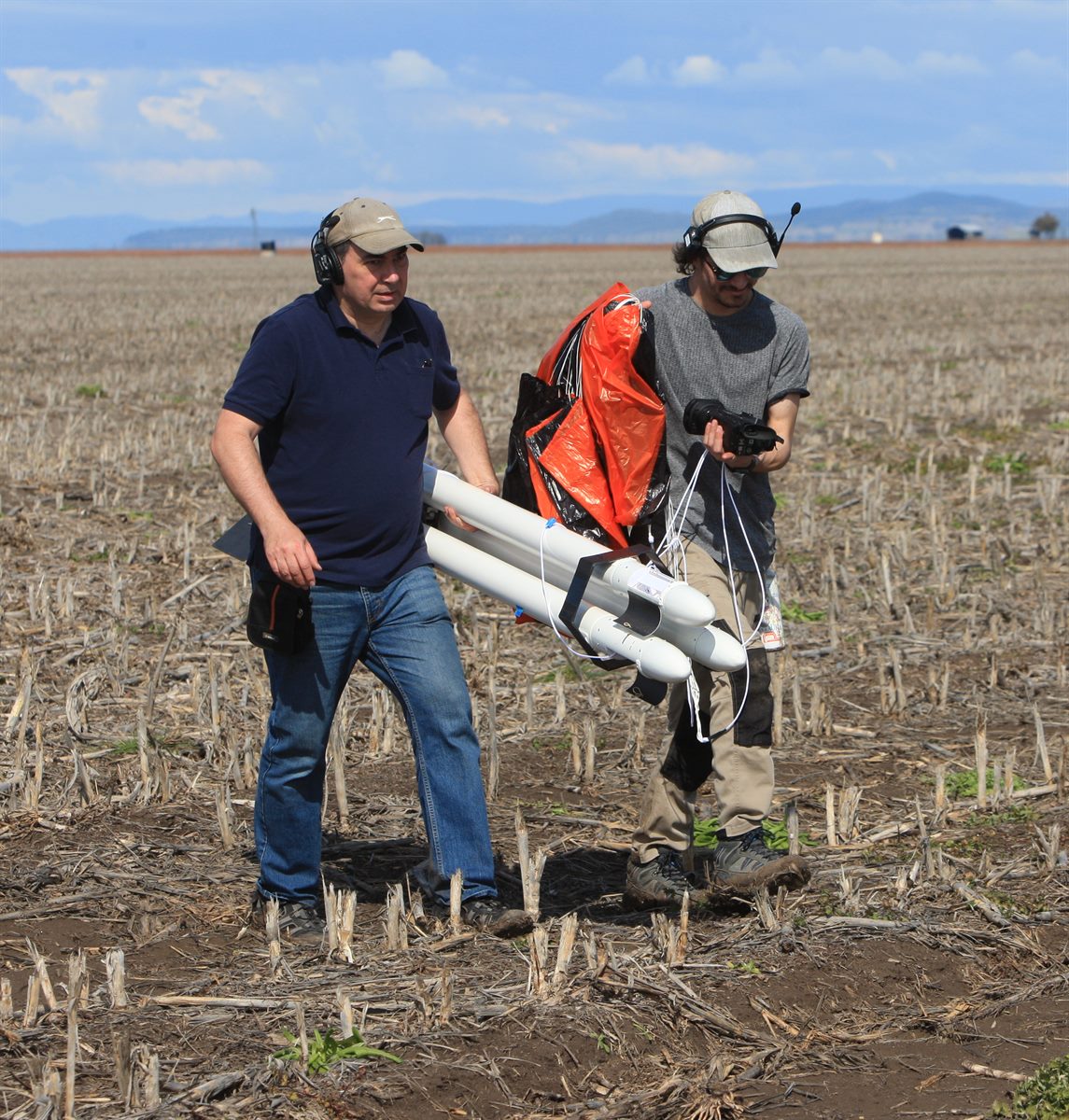
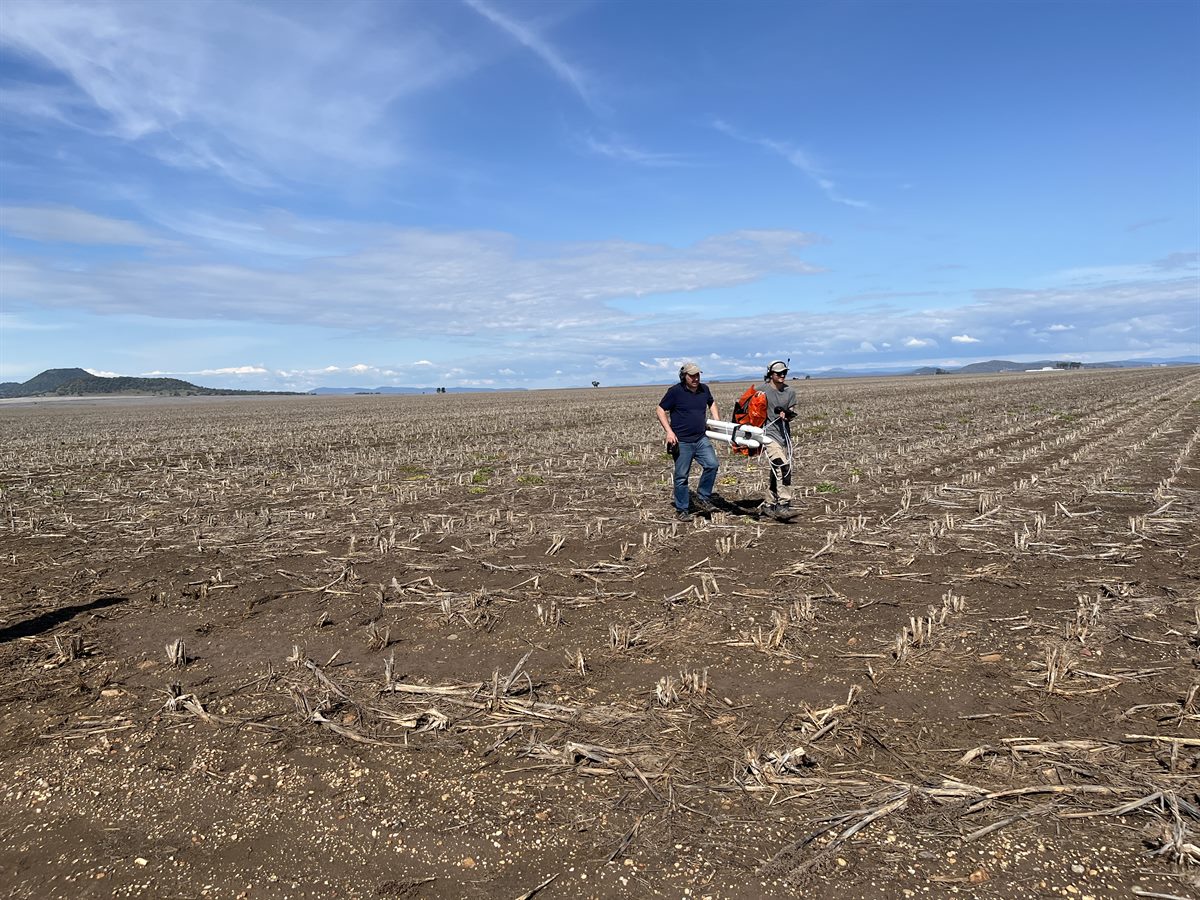
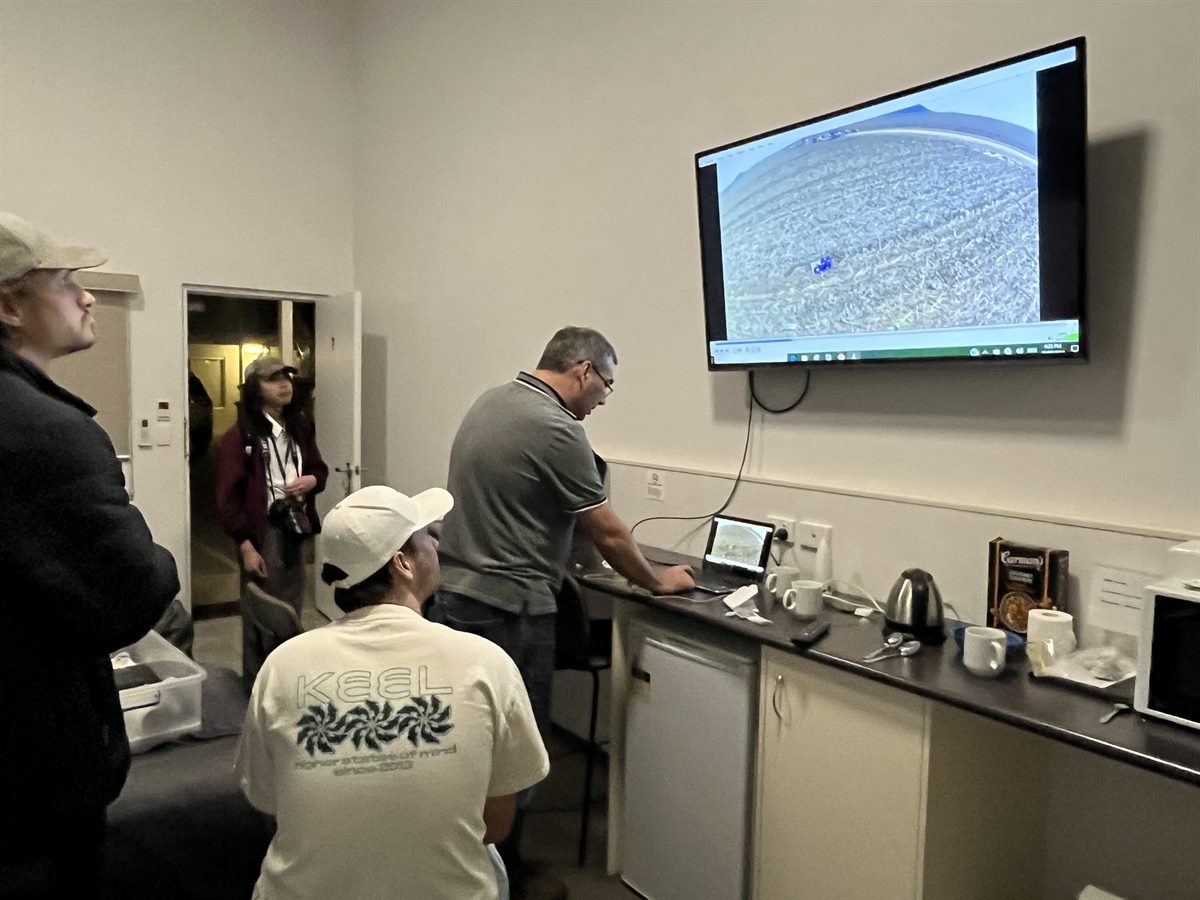
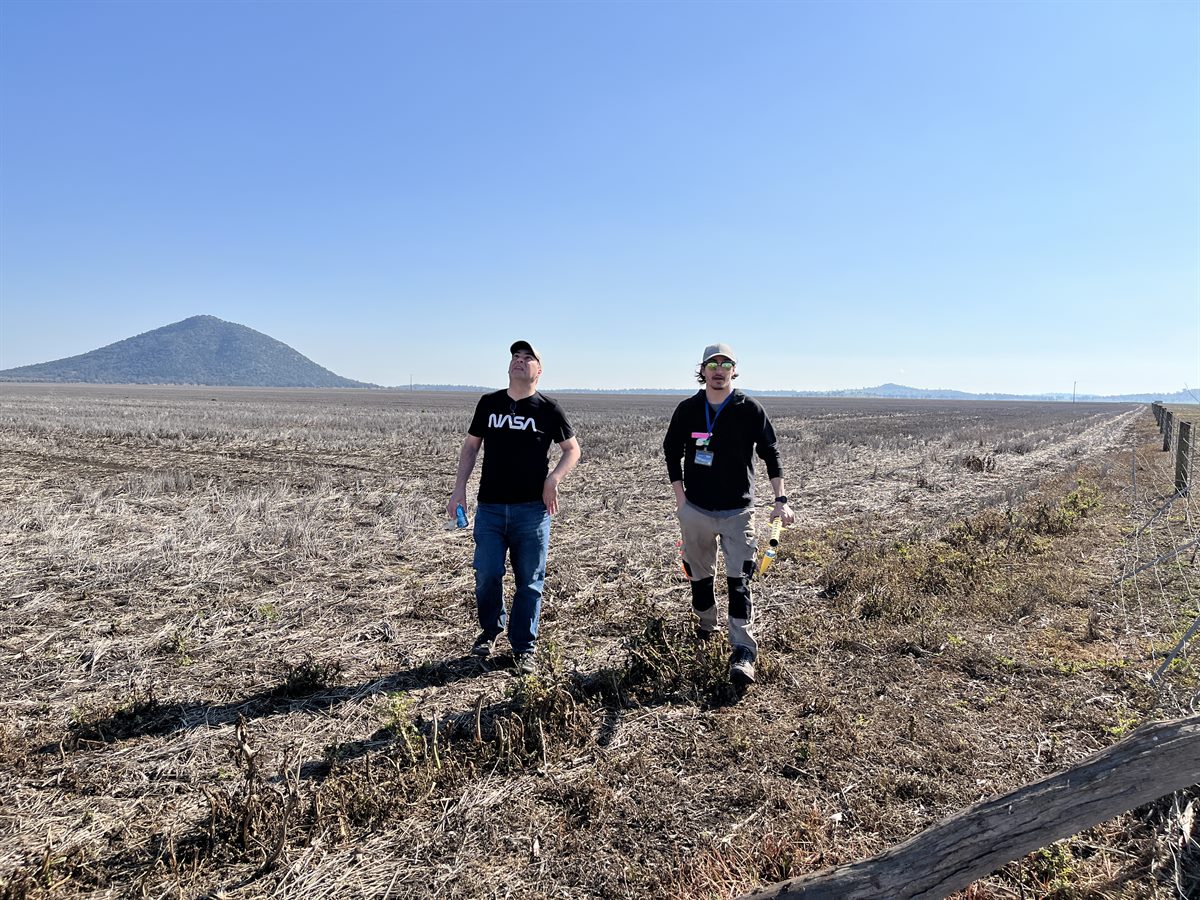
We watched the booster continue its ascent to apogee of 1282 feet (390m) and watched both of the parachutes open and start coming down gently. We lost sight of the second stage at that altitude, but after the parachute had opened some people on the team had spotted it so we knew it wasn't going to be coming in ballistic. The booster landed perhaps 30 meters away from the launcher, and then 3:40 minutes later the sustainer landed perhaps 50 meters from the launcher. It turns out we did not need the GPS, but it was good to have it as the sustainer once had landed about 1km away from the launcher.
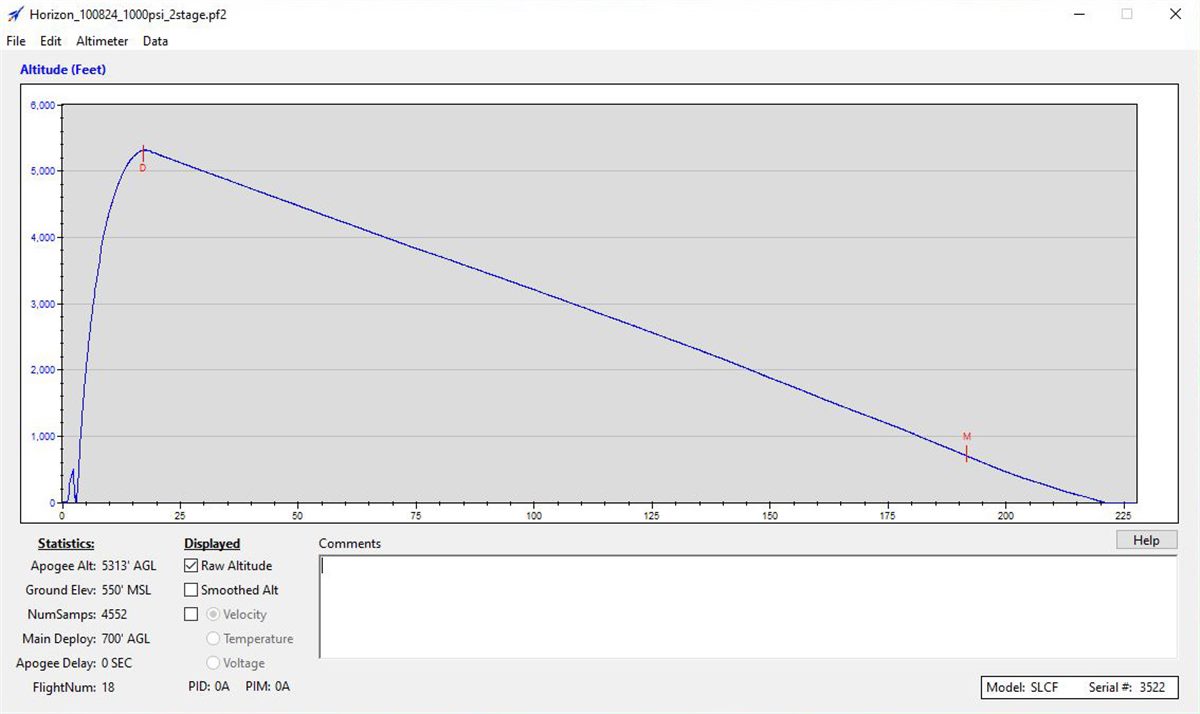
The rocket recovery was straight forward and before we were even able to download the data, we were able to hear the stratologger beep out the altitude of 5,313 feet. We were so happy with the performance, original simulation estimates put us somewhere between 4000 and 4500 feet. We managed to set a number of records. First to get above 1Km (1.62km), first to get above 1 mile, first to get above 5000 feet.
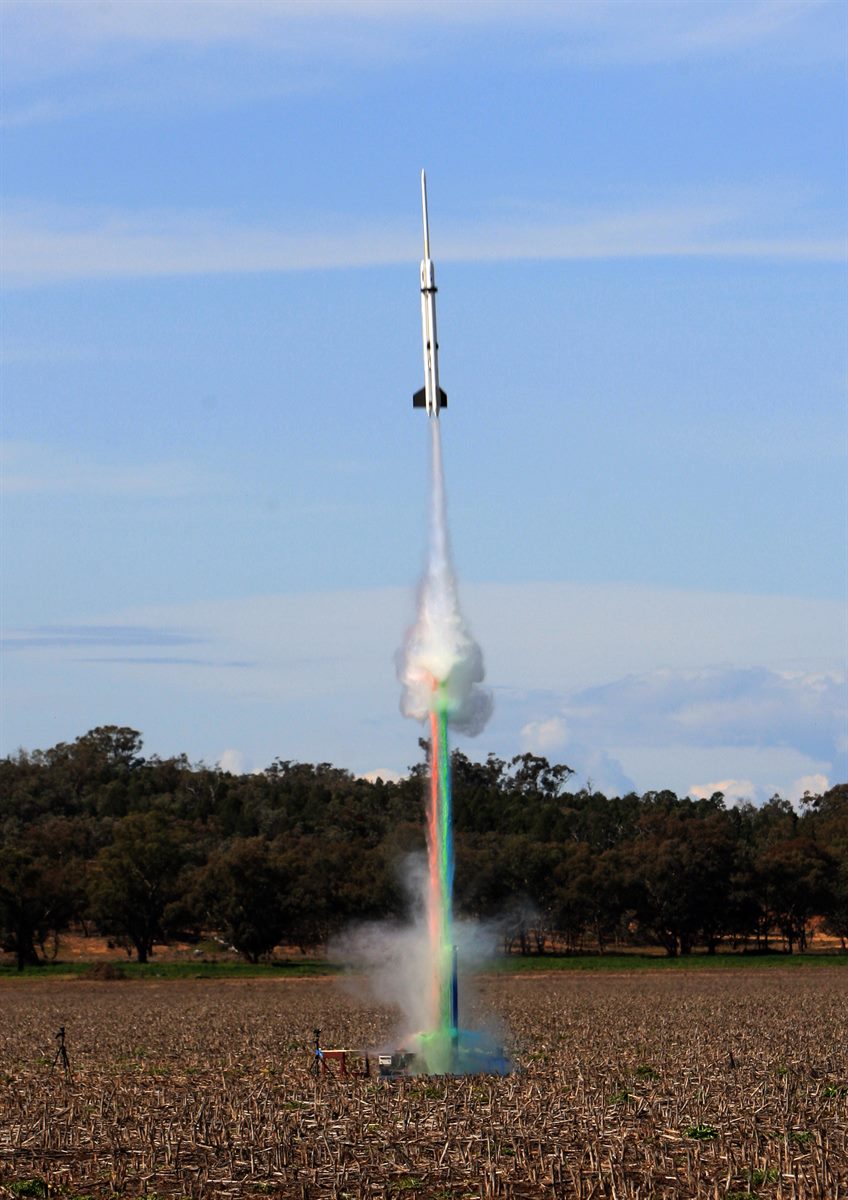
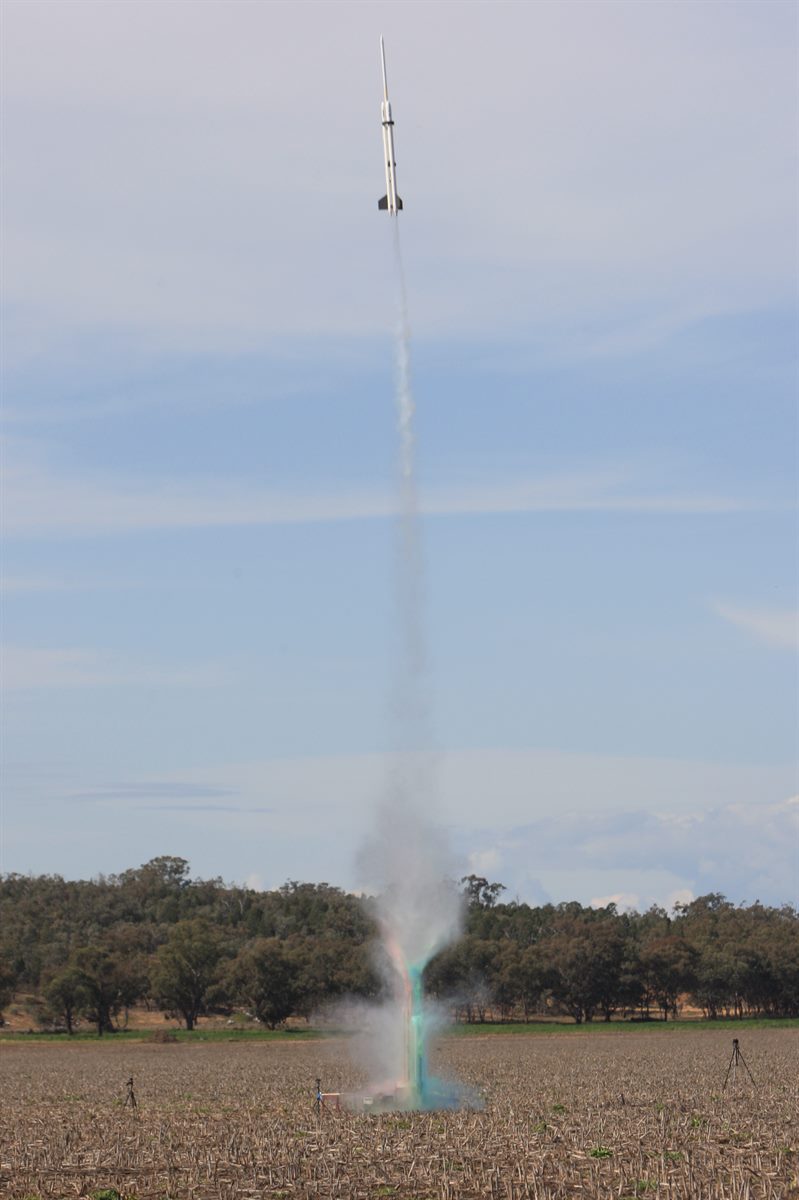
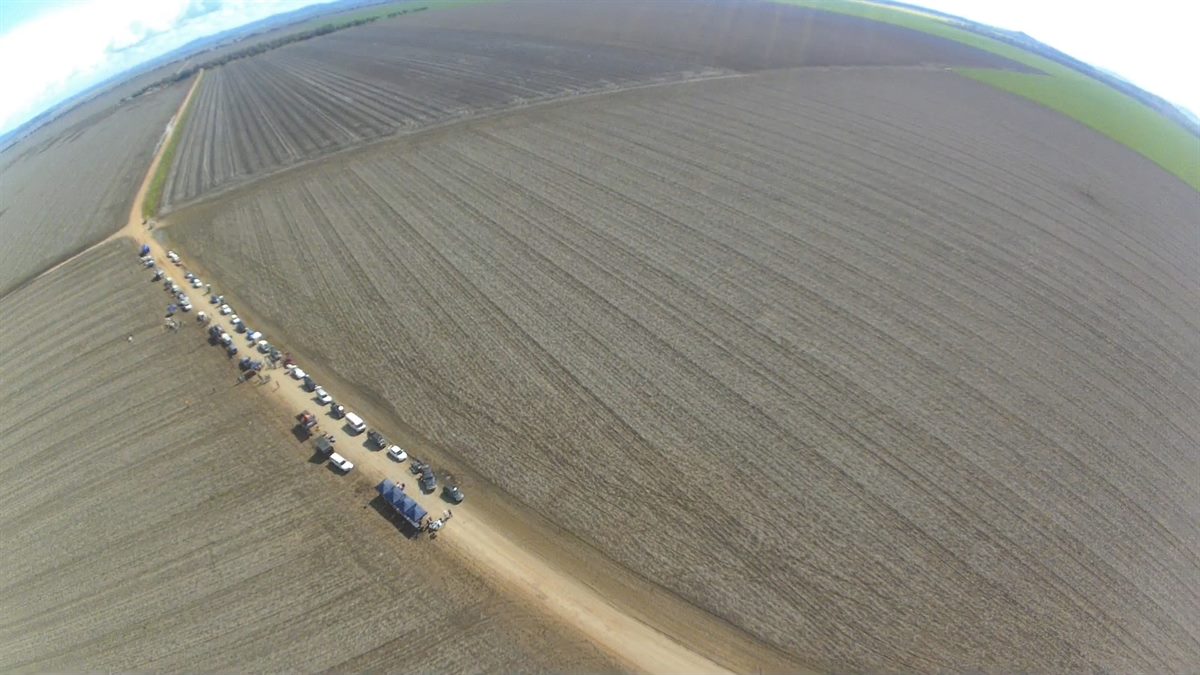
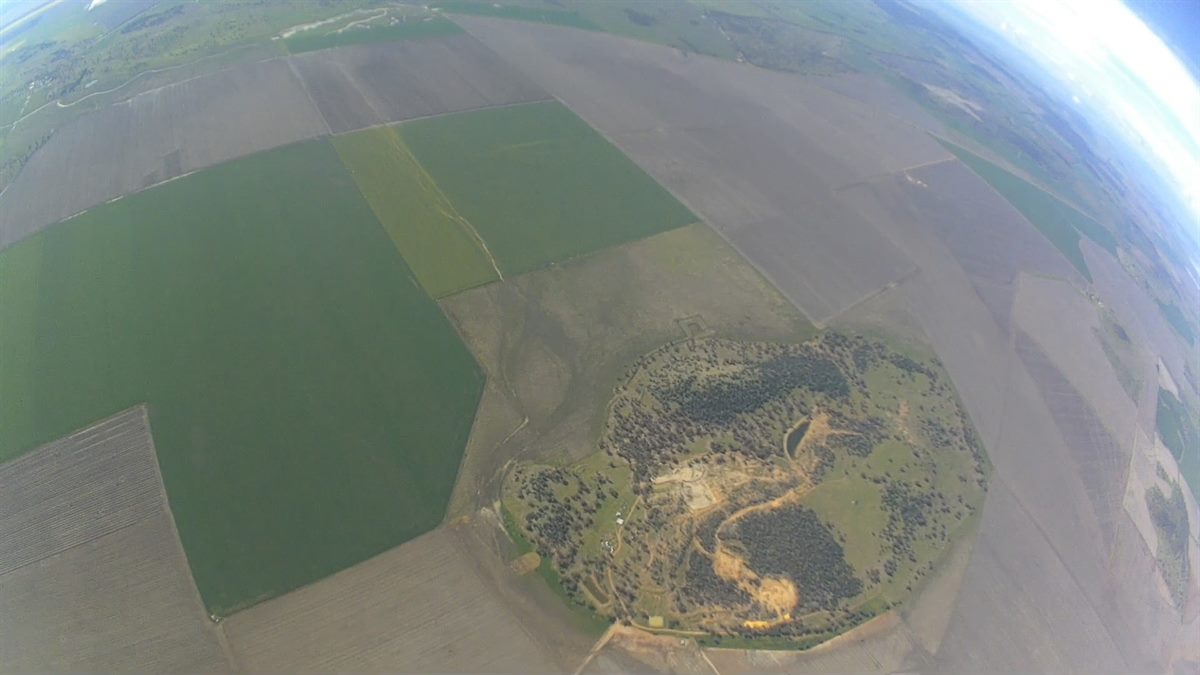
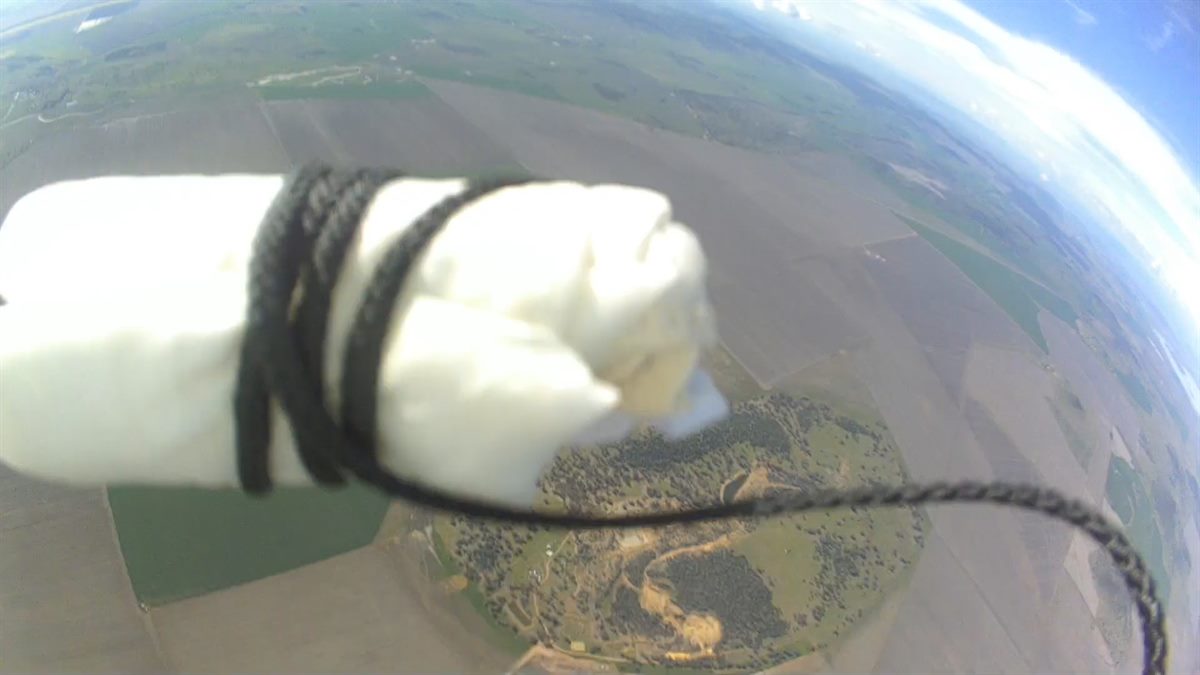
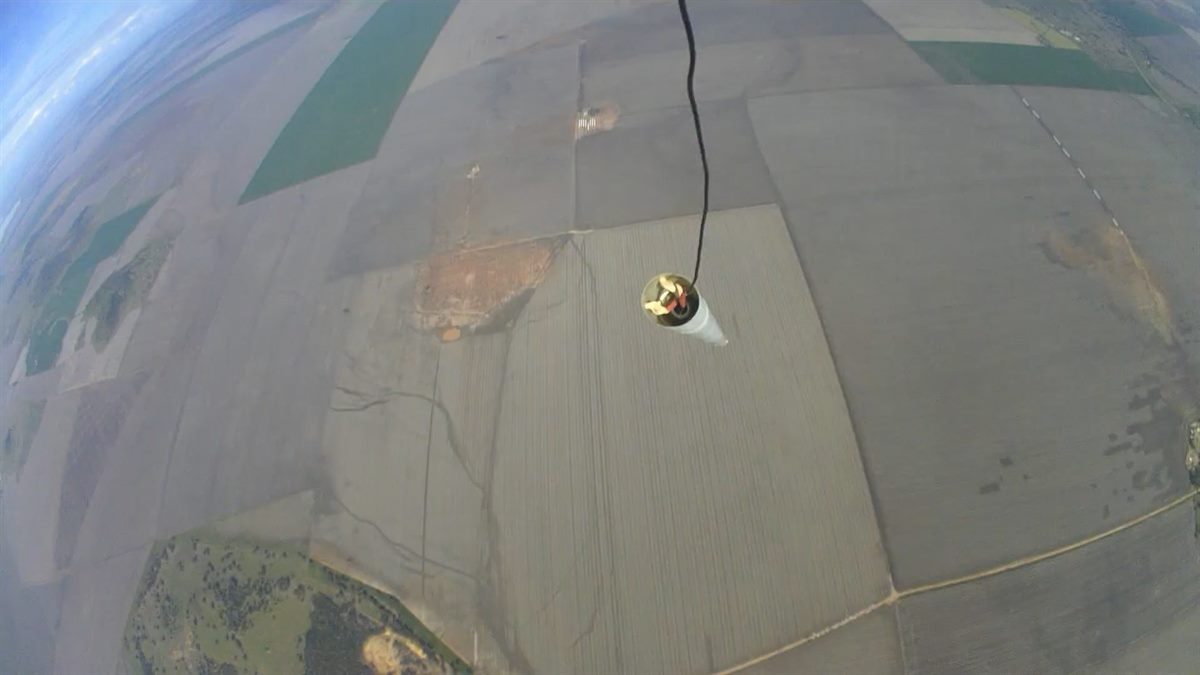
We inspected the rocket for damage after landing, and the only damage we saw was that the nosecone cup had cracked and separated. This must have happened as it hit the ground, because that failure during flight would have been catastrophic and would have ripped the nosecone off. We suspect it was because of the heavier payload this time that was connected to it. Easily fixed with a new 3D print.
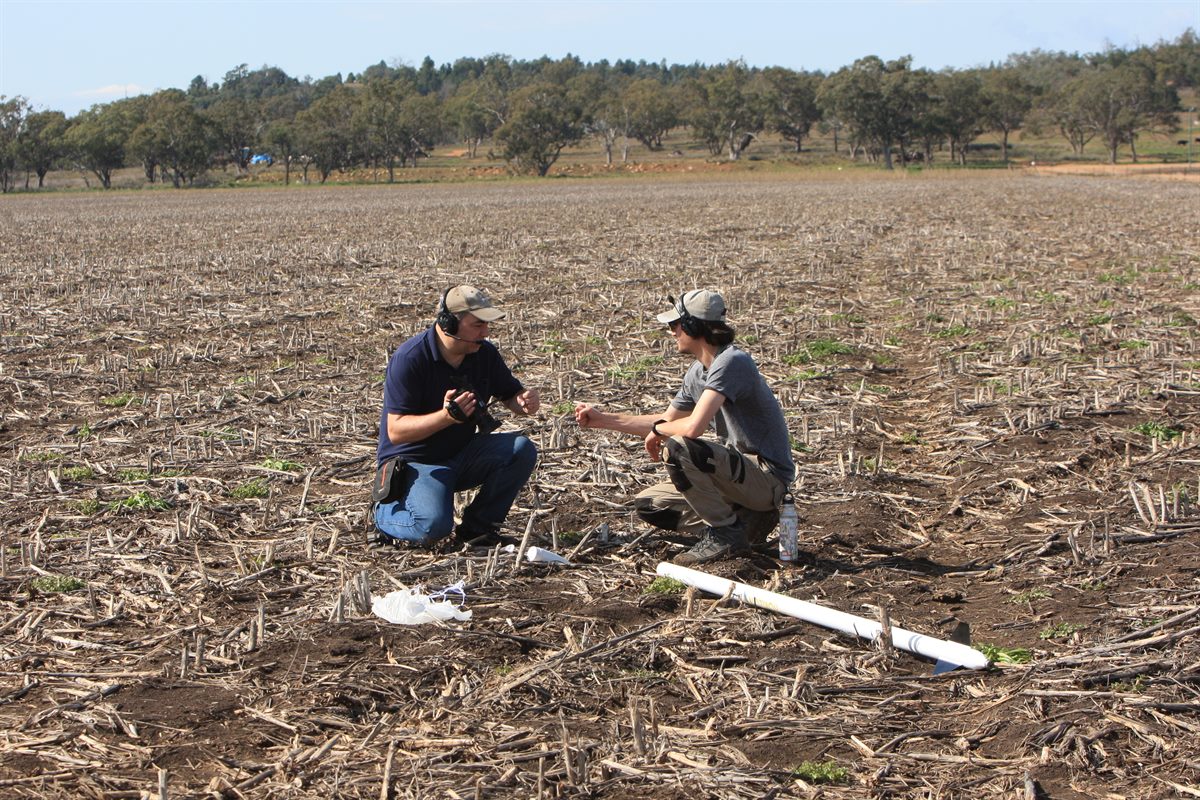
The only other issue was that for some reason we couldn't turn off one of the booster flight computers, it kept beeping out its status and the physical switch didn't want to turn off the computer. We had to disconnect the battery to get it to shut off. We still don't know why this happened. Perhaps a short on the switch wiring?
We were so relieved to finally get this rocket in the air after so many years of development. It felt really good to get such a clean launch in with easy recovery and have all the systems on board the rocket work at the high g-loads and speeds.
Setting it up for a second launch would have just been too much effort on the weekend and the weather was looking like it was going to worsen for next day so we decided to pack it up and be happy with the one launch.
At this stage I am not sure when it will fly again, it definitely needs at least 4 people to get it set up and launched, so we will have to see. Even if this becomes the only launch the booster ever sees, I'm happy with that.
| Launch | Details | ||||||||||||||||||||||||
| 1 |
|
||||||||||||||||||||||||
| 2 |
|
||||||||||||||||||||||||
| 3 |
|